
Metal corrosion is a silent war—constantly eroding bridges, tunnels, vehicles, machinery, and all kinds of metal structures.

Rust-covered bridges pose serious safety hazards.
With over 20 years of expertise in metal fabrication and anti-corrosion technologies, Openex understands that corrosion protection means safeguarding safety, extending lifespan, and creating value. This article will guide you through corrosion protection technologies and Openex’s solutions for carbon steel, stainless steel, and aluminum alloys.
Cathodic protection works like injecting an “electronic vaccine” into metal—artificially maintaining the metal surface in an electron-rich state to prevent corrosion. It mainly includes two methods: sacrificial anode and impressed current cathodic protection (ICCP).
By attaching a more active metal (zinc, magnesium, or aluminum) to steel structures, the active metal corrodes first and protects the main structure.
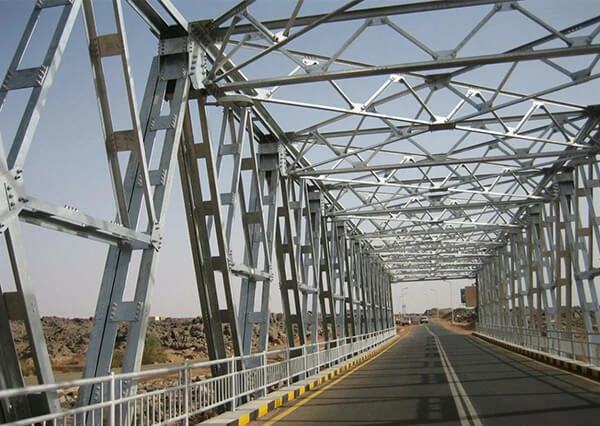
A direct current power source applies cathodic current to reduce the metal potential into a non-corrosive range. This method is suitable for large structures like pipelines, docks, and offshore platforms.
Even iconic structures like the London Eye and the Statue of Liberty use cathodic protection—one of the secrets behind their longevity.
Anodic protection is suitable for metals that easily passivate, such as stainless steel, titanium, and aluminum. By applying an anodic current, a dense oxide film forms on the metal surface—like wearing “anti-corrosion armor.”
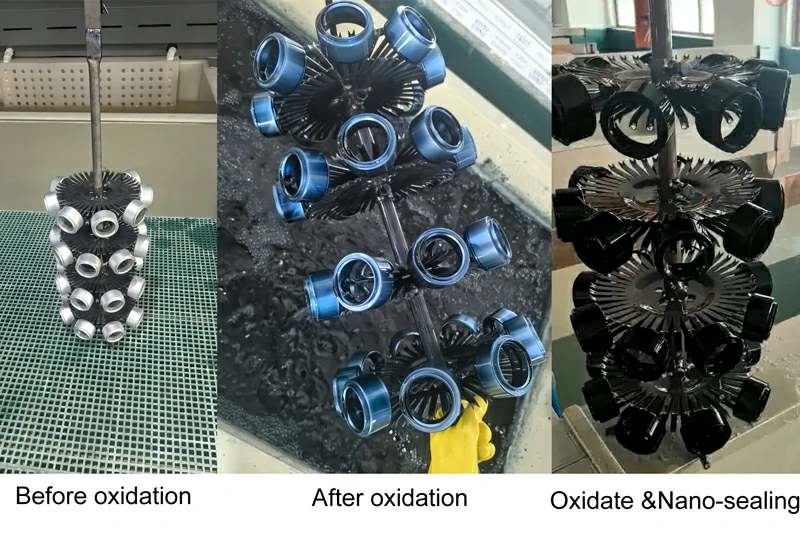
Openex Tip: Anodic protection requires highly precise control systems—incorrect voltage can accelerate corrosion. With our advanced potential control technology, we help reduce corrosion rates to less than one-thousandth of the original.
1. Carbon steel — Cathodic protection + surface coatings
Carbon steel is highly susceptible to corrosion in seawater and soil. We recommend:
2. Stainless steel — Passivation + anodic protection
Although stainless steel is generally corrosion-resistant, it can suffer pitting in chloride-rich environments. For marine or high-salinity conditions, we recommend 316 stainless steel (its molybdenum content better resists chloride attack and lowers corrosion risk). We offer:
3. Aluminum alloys — Anodizing + coating protection
Aluminum alloys are lightweight and strong, but can be vulnerable to electrochemical corrosion. Our expertise includes:
| Metal Type | Recommended Technology | Applications |
|---|---|---|
| Carbon Steel | Cathodic protection + galvanizing/painting | Bridges, pipelines, vehicle chassis, solar frames |
| Stainless Steel | Anodic protection + passivation | Chemical tanks, food equipment, marine use |
| Aluminum Alloy | Anodizing + fluorocarbon coating | Building facades, ships, aerospace |
Openex can customize the optimal anti-corrosion solution based on your application, budget, and service life requirements.
Corrosion is the “invisible killer” of metals—but with the right knowledge and experience, it is manageable. Openex is your trusted partner not only in metal fabrication but also in corrosion prevention. Whether it's carbon steel, stainless steel, or aluminum alloy, we offer efficient, economical, and long-lasting solutions tailored to your needs.
Contact us today for exclusive anti-corrosion consultation and sample support!