

Caption: Our modern fabrication shops use advanced laser cutters for precision work.
A recent news article from WA. GOV.AU (20 Aug 2025) caught my attention:
A mining fabrication company was fined $500,000 after a falling metal plate seriously injured a worker. The court found the company failed to provide a safe work environment.
This incident solidified a thought I've long held: if you need a trustworthy metal fabrication supplier for your machinery or engineering projects, outsourcing to China should be a top consideration—whether your priority is superior quality, significant cost reduction, or both.
You've likely heard stories from peers or competitors who sourced parts from China and gained immense advantages: prices half of local suppliers, rapid delivery, and consistently good quality. If you have a large project with a tight budget or need a long-term partner, it's time to consider why China is the optimal choice.
China isn't just a populous nation of over 1.4 billion; it's the world's second-largest economy with immense purchasing power. This fuels a colossal domestic demand for metal fabrication, driven by endless infrastructure projects—bridges, roads, tunnels, and buildings. The country uses nearly one billion tons of steel annually, with at least 50% requiring fabrication before use. This creates a stable, high-volume market that sustains the industry.
A huge number of domestic fabricators meet this massive demand. China is home to an estimated over 17,500 professional metal fabrication shops, a figure extrapolated from the annual sales of laser cutting machines. This ecosystem is hyper-competitive, meaning only the most efficient and capable survive.
The workforce is another key advantage. Metal fabrication is labor-intensive and requires high skill levels in what's known as the 4M's: Metals, Maths, Machine operation, and Mechanical engineering. China possesses a formidable demographic dividend: over 350,000 mechanical engineers (roughly 8 times the number in the USA) and an even larger pool of skilled technicians.
The intense competition means that surviving companies, like Openex, are proven winners. They have overcome immense challenges, from material shortages during COVID-19 to global logistics crises. This Darwinian business environment ensures that only the most resilient, efficient, and customer-focused fabricators thrive, ultimately benefiting the buyer.
Several factors contribute to unbeatable prices:
The outdated stereotype of "cheap and low-quality" is obsolete. Chinese fabrication quality now excels across every process:
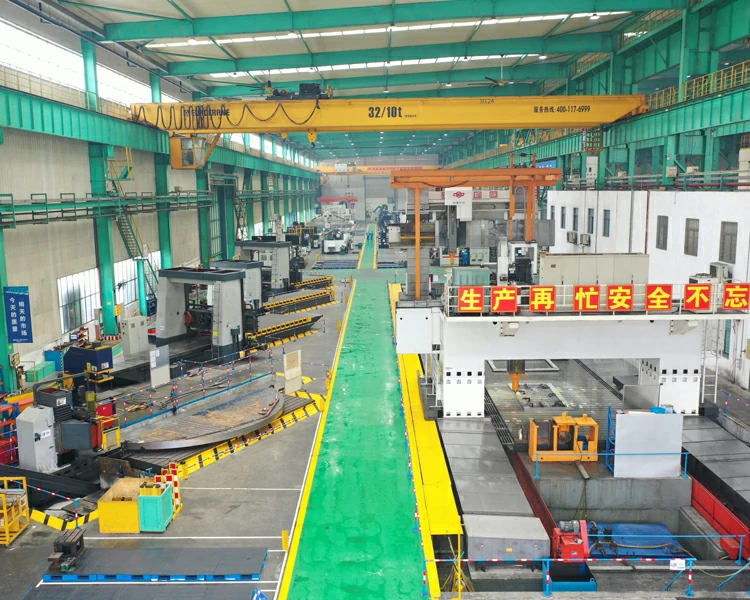
Caption: A multi-axis CNC machining center of Openex in China, capable of high-precision, complex operations.
China's advantages in cost and quality are undeniable, but they may not last forever. Demographic shifts and a declining birth rate mean the current pool of skilled labor may shrink in the coming decade.
Contact a professional metal fabricator like Openex to discuss your project needs and discover how you can achieve superior quality while cutting your costs in half.