
A blind flange is a type of flange that is used to seal the end of a pipe or vessel. It is a solid disk or plate with no center hole, which is bolted to a mating flange with bolts and gaskets to create a secure seal.
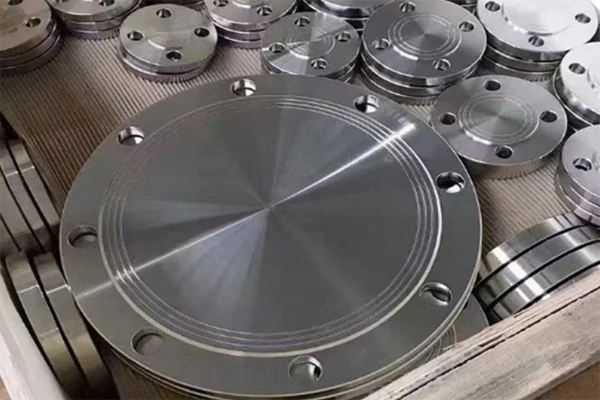
Blind flanges are an essential component of pipelines and vessels in a variety of industrial applications. They are used to seal the end of a pipeline or vessel, preventing the flow of fluids or gases. Blind flanges come in different types, sizes, and materials, which are selected based on the project requirements. In this article, we will discuss everything you need to know about blind flanges, including their types, materials, and applications.
There are several types of blind flanges that are commonly used in different applications. The most common types include:
Each type of blind flange has its own specific features and advantages, which make them suitable for different applications. The selection of the right type of blind flange is crucial to ensure a proper and secure seal.
Blind flanges are made from various materials, including carbon steel, stainless steel, and other alloy materials. The selection of the material depends on the application, the pressure and temperature conditions, and other project requirements. Some of the commonly used materials for blind flanges include:
Blind flanges are used in a variety of industrial applications, including oil and gas, chemical, petrochemical, and water treatment plants. They are used to close off the end of a pipeline or vessel, providing a temporary or permanent seal. Some of the common applications of blind flanges include:
Blind flanges are an essential component of pipelines and vessels in various industrial applications. The selection of the right type of blind flange and material is crucial to ensure a proper and secure seal. At Openex, we offer a wide range of various flanges, which are designed and manufactured to meet the specific requirements of our clients. If you have any questions about flanges or would like to request a quote, please don't hesitate to contact us.
Mining is an essential industry that plays a critical role in the global economy. The process of mining involves extracting valuable minerals and metals from the earth's crust, and this requires various machines and equipment. One such piece of equipment is the mining thickener, which is used to separate solids from liquids in the mining process.
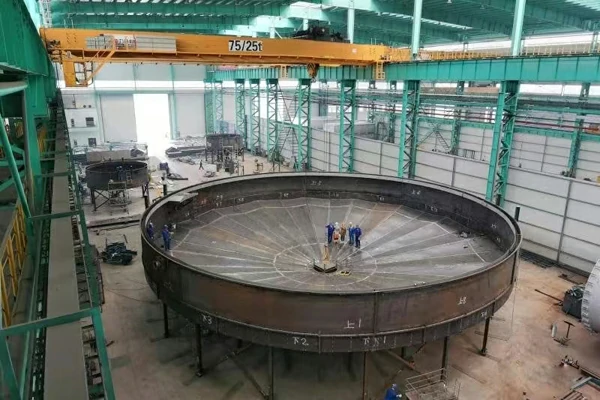
A mining thickener is a large tank that is used to separate solid particles from liquids in the mining process. It is a crucial component in the processing of minerals and metals, as it helps to increase the concentration of valuable material and reduce the amount of waste generated.
The mining thickener works on the principle of sedimentation. As the slurry, a mixture of solid particles and liquids, enters the tank, the heavier particles settle at the bottom of the tank, forming a layer of sediment. The clear liquid above the sediment is then removed and can be reused in the mining process.
To aid in the separation process, the thickener uses a rake system that continuously moves the settled solids towards the center of the tank, where they are collected and removed from the tank. This helps to increase the concentration of the solids, allowing for more efficient extraction of minerals and metals.
The mining thickener is used in a variety of applications, including:
Choosing the right mining thickener is crucial to the success of any mining operation. Factors to consider when selecting a mining thickener include the size of the operation, the type of material being processed, and the required level of efficiency.
Other factors to consider include the type of rake system used, the type of drive mechanism, and the level of automation required. It is essential to work with an experienced supplier of mining thickener equipment to ensure that you select the right equipment for your specific needs.
The mining thickener is a crucial component in the mining process, allowing for more efficient extraction of minerals and metals. It works on the principle of sedimentation and is used in a variety of applications, including tailings management, mineral processing, and water recycling.
Choosing the right mining thickener is crucial to the success of any mining operation, and it is essential to work with an experienced supplier of mining equipment to ensure that you select the right equipment for your specific needs. By following the guidelines outlined in this guide, you can ensure that you choose the right mining thickener for your operation, and maximize your mining output.
The mining industry is a critical part of the global economy, and metal fabrication plays a significant role in supporting this industry.
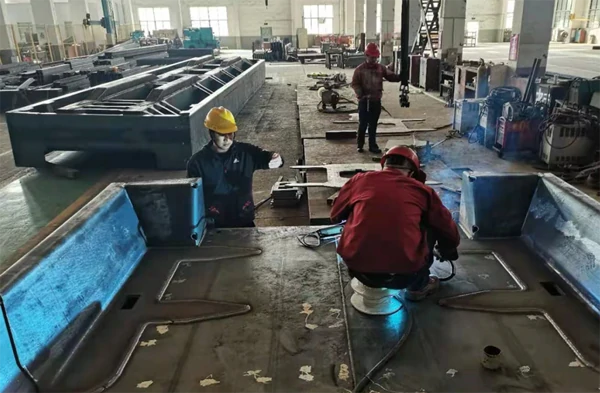
Metal fabrication is the process of creating metal components from raw materials. This can be done using a variety of different methods, including welding, machining, and casting. Metal fabrication is used to create a wide variety of components for the mining industry, including:
Visit related project cases:
For more project cases related to mining industries, feel free to contact us at yuki.zhou@openex.com.cn
The mining industry relies heavily on the metal fabrication to create components and structures that are essential to the mining process. Here are some of the benefits of using metal fabrication in the mining industry:
Working with a reputable fabrication company is essential to ensure that the components are of high quality and meet the specific needs of the mining operation. Here are some reasons why working with a reputable fabrication company is important:
Openex is a leader in the industry with over 20 years of experience. With state-of-the-art facilities and a team of skilled professionals, Openex offers a wide range of fabrication services to meet the unique needs of mining operations. From customized components to full-scale structures, we have the expertise and resources to deliver high-quality, efficient, and safe solutions for the mining industry. Contact us today to learn more about our metal fabrication services for the mining industry.
Metal fabrication is an essential component of energy storage systems, which are used to store energy generated by renewable sources such as wind and solar power. Energy storage systems require a variety of components, such as battery enclosures, tanks, and structural components, which are often manufactured using metal fabrication techniques. In this guide, we will explore in more detail how metal fabrication helps energy storage systems.
Energy storage systems often rely on batteries to store energy. Metal fabrication techniques are used to manufacture metal frames and enclosures for batteries. These frames and enclosures need to be strong, durable, and precisely manufactured to ensure the safety and reliability of the batteries.
The metal frames provide support and protection for the batteries, while the enclosures prevent external elements from damaging the batteries. Metal fabrication techniques can be used to create enclosures that are airtight and waterproof, preventing moisture and other contaminants from affecting the battery's performance.
Following are our project cases about battery systems:
Energy storage systems may also use tanks to store energy in the form of liquids, such as hydrogen or molten salt. These tanks need to be able to withstand high temperatures and pressure, and metal fabrication techniques can be used to create tanks that meet these requirements.
The tanks are often made of metal alloys that have excellent resistance to corrosion and high-temperature environments. Metal fabrication techniques are used to create tanks that are precisely manufactured to meet the specifications of the energy storage system. The tanks are designed to be strong, durable, and resistant to leaks, ensuring the safe storage of energy.
Metal fabrication techniques can also be used to manufacture structural components for energy storage systems, such as brackets, frames, and support structures. These components need to be strong and durable to ensure the stability and safety of the energy storage system.
For example, metal brackets may be used to support batteries or tanks in an energy storage system. These brackets need to be precisely manufactured to ensure that they can support the weight of the batteries or tanks safely. Metal fabrication techniques can be used to create brackets that are strong, durable, and resistant to corrosion.
Welding is another metal fabrication technique that is commonly used in the manufacturing of energy storage systems. Welding is used to join metal parts together to create larger components or structures. For example, welding is used to join the metal frames and enclosures of batteries or to create the tanks used in energy storage systems.
Welding requires skill and expertise to ensure that the welds are strong and durable. Welding must be performed under strict quality control measures to ensure that the welds meet the specifications of the energy storage system.
Overall, metal fabrication is a crucial component of energy storage systems. By using metal fabrication techniques to manufacture the necessary components, energy storage systems can be constructed with the necessary strength, durability, and precision needed for safe and reliable operation. Metal fabrication is an essential part of the process of creating the components that make energy storage systems possible.
For more information about our project cases in energy storage systems or our fabrication capabilities, or to request a free quotation, feel free to contact us at yuki.zhou@openex.com.cn.
Energy storage systems (ESS) are used to store energy generated by various sources, such as solar, wind, and hydroelectric power. The stored energy can be used when the power demand is high or when the primary energy source is not available. In this guide, we will cover everything you need to know about energy storage systems.
There are different types of energy storage systems, including:
Energy storage systems offer several benefits, including:
Energy storage systems are used in various applications, including:
There are several challenges associated with energy storage systems, including:
In conclusion, energy storage systems are an important component of the transition to a more sustainable energy system. By storing energy from renewable sources, energy storage systems can help stabilize the grid, improve efficiency, and reduce emissions. While there are still some challenges associated with energy storage systems, continued innovation and investment in this technology will likely lead to even more significant benefits in the future.
Wind power is one of the fastest-growing sources of renewable energy, and wind turbines require high-precision and durable components to ensure optimal performance. Heavy machining plays a critical role in manufacturing these components, and in this article, we will explore how heavy machining helps wind power.
Heavy machining is the process of shaping and cutting large and heavy metal components. Heavy machining is typically used in the manufacturing of parts and components that require high accuracy, repeatability, and durability. Heavy machining operations are carried out using specialized machinery and equipment, such as heavy-duty CNC machining centers, lathes, and milling machines.
Wind turbines require a wide range of components that are manufactured using heavy machining techniques. Some of the critical components that are manufactured using heavy machining techniques include:
The heavy machining process for wind turbine components typically involves the use of advanced machinery and equipment, such as heavy-duty CNC machining centers, lathes, and milling machines. The process requires high accuracy and repeatability to ensure that the finished components meet the required tolerances and specifications.
In conclusion, heavy machining plays a critical role in the manufacturing of wind turbine components. The heavy machining process ensures that the components are manufactured to the required tolerances and specifications, resulting in enhanced performance, durability, and reliability. As the demand for renewable energy continues to grow, heavy machining will continue to be an essential part of the manufacturing process for wind power components.
Find our heavy machining cases of wind power:
For more cases or more information, feel free to contact us at yuki.zhou@openex.com.cn.
Hydropower is a rapidly growing industry that relies heavily on steel structures for its facilities. These structures support the turbines, generators, and other equipment necessary for hydropower generation. In this step-by-step guide, we will explore the fabrication process of steel structures for hydropower facilities.
The first step in the fabrication process is design and planning. This involves creating detailed drawings and models of the steel structures, taking into account the specific requirements of the hydropower facility.

The design process typically involves a team of engineers, architects, and designers who work together to create the most efficient and effective structures. Computer-aided design (CAD) software is often used to create precise and detailed models of the structures, which can be used to guide the fabrication process.
Once the design is complete, the planning phase begins. This involves determining the materials needed for fabrication and the manufacturing processes that will be used.
Once the planning phase is complete, the fabrication process begins with cutting and shaping the steel components. This involves using various cutting and shaping tools, such as saws, shears, and laser cutters, to cut the steel into the required shapes and sizes.
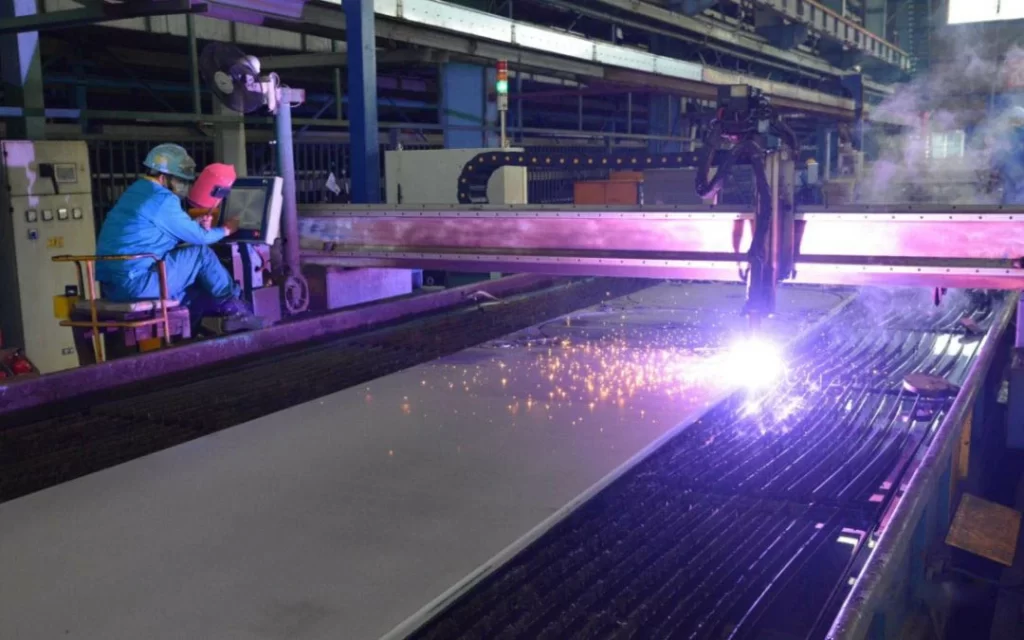
The steel components are then shaped using bending machines, rollers, and presses. This process ensures that the steel components are the correct shape and size for the intended application.
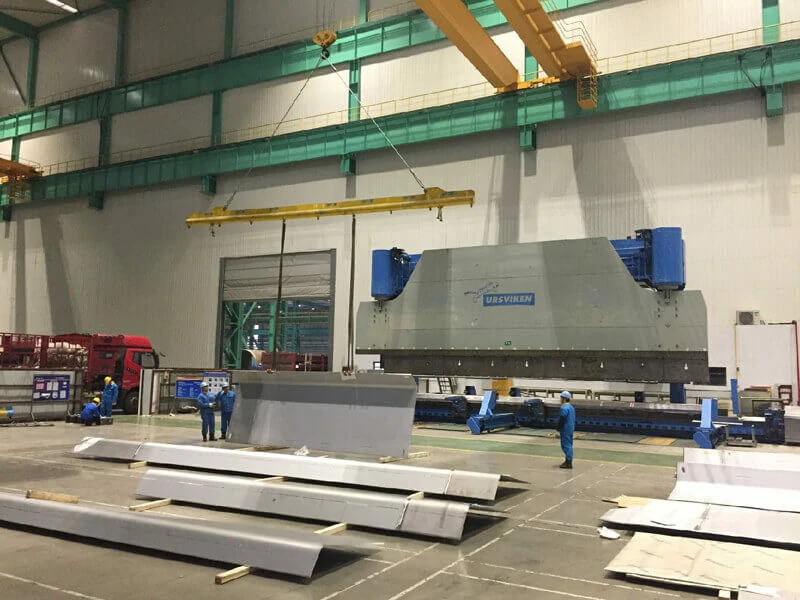
Welding is a critical part of the fabrication process for steel structures used in hydropower facilities. It involves joining the steel components together using high heat and pressure.
There are several welding techniques used in the fabrication of steel structures, including gas metal arc welding (GMAW), gas tungsten arc welding (GTAW), and shielded metal arc welding (SMAW). These techniques ensure that the steel components are securely and safely joined together.
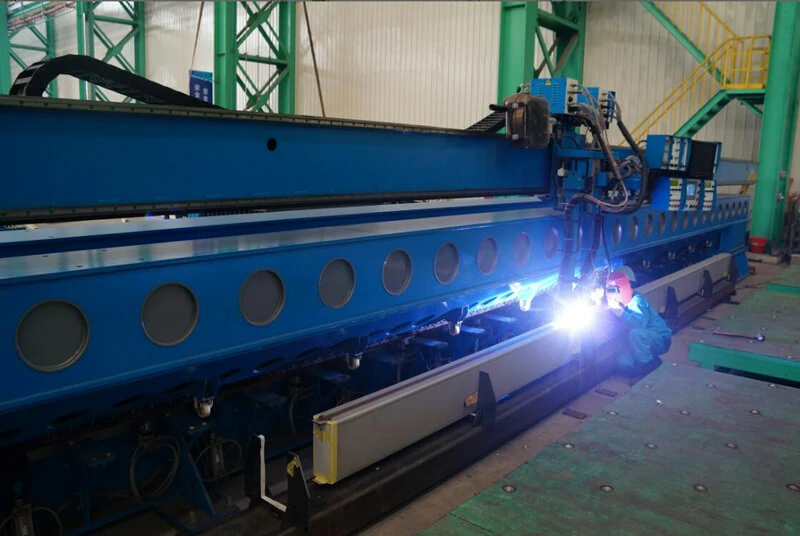
Once the welding is complete, the steel components are machined and finished to meet the required specifications. This involves using various machining tools, such as lathes and drills, to create the necessary holes, threads, and other features.
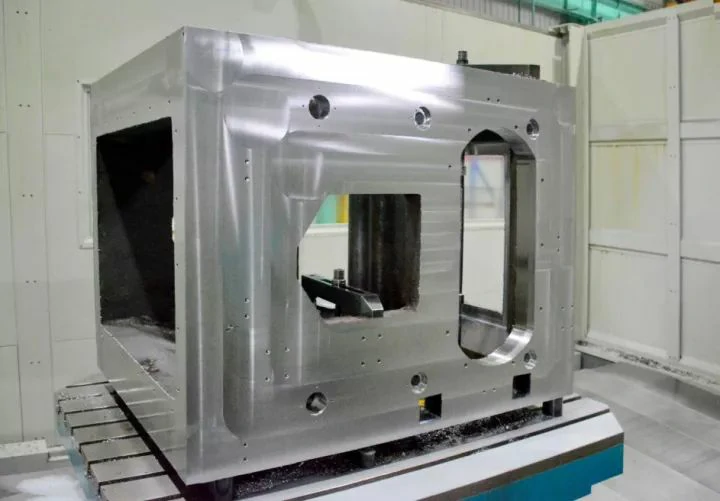
The steel components are then finished using various techniques, such as sandblasting and painting, to protect them from corrosion and ensure their longevity.
Quality control is an essential part of the fabrication process for steel structures used in hydropower facilities. Fabricators must ensure that the structures are strong, stable, and able to withstand the stresses of hydropower generation.
To achieve this, the fabricated steel structures are subjected to a range of quality control tests and inspections. These tests may include ultrasonic testing, magnetic particle testing, and X-ray inspection, among others.
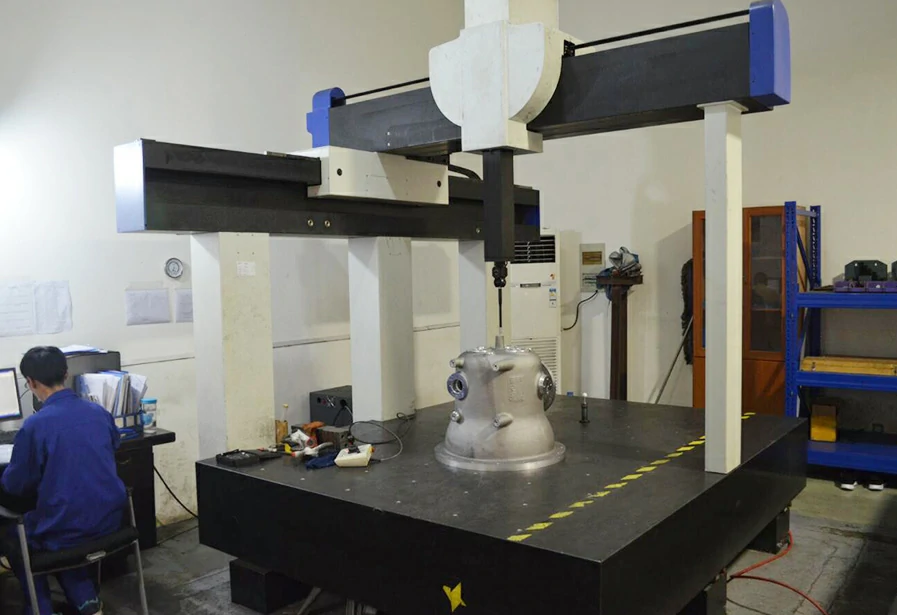
Once the steel structures have been fabricated and passed quality control, they are ready for delivery and installation at the hydropower facility. Delivery typically involves using specialized equipment, such as flatbed trucks and cranes, to transport the structures to the site.
The installation process must be carefully planned and executed to ensure that the steel structures are properly aligned and securely fastened. This is essential to ensure that the hydropower facility operates safely and efficiently.
The fabrication process of steel structures for hydropower facilities is complex and requires a high level of expertise and attention to detail. By following a careful design and fabrication process, implementing rigorous quality control measures, and executing a well-planned installation, steel fabrication companies can produce steel structures that are strong, stable, and able to withstand the stresses of hydropower generation.
With the increasing demand for renewable energy, the fabrication of steel structures for hydropower facilities is likely to continue to grow. As technology advances and new materials become available, the fabrication process is likely to become more efficient and cost-effective, making hydropower an even more attractive source of renewable energy.
Stainless steel tube sheets are an essential component of many industrial processes. They are used in a wide range of applications, including chemical processing, power generation, and marine engineering. In this article, we will explore the benefits of using stainless steel tube sheets and provide examples of successful projects that have implemented this technology.
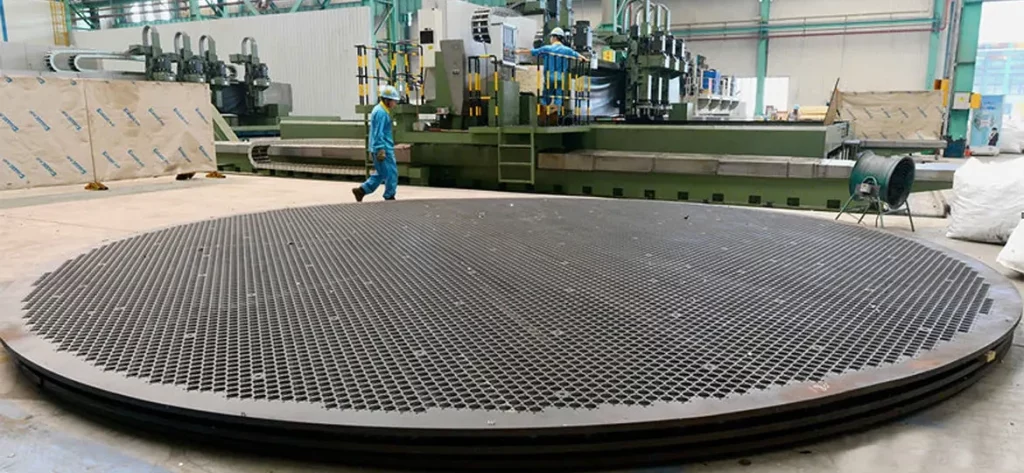
One notable project that utilized stainless steel tube sheets was the construction of a desalination plant in Dubai. The tube sheets were used in the heat exchangers, which were responsible for transferring heat between the seawater and the evaporator. The use of stainless steel tube sheets allowed the plant to operate more efficiently and with lower maintenance costs than other materials.
Another project that implemented stainless steel tube sheets was the construction of a nuclear power plant in China. The tube sheets were used in the steam generators, which are crucial components in the power generation process. The use of stainless steel tube sheets ensured that the steam generators could withstand the high pressures and temperatures required for efficient operation.
More project cases:
For more stainless steel tube sheet cases, feel free to contact us at sales3@openex.com.cn.
The benefits of using stainless steel tube sheets are numerous. First and foremost, stainless steel is highly resistant to corrosion and erosion, making it an ideal material for use in harsh environments. Additionally, stainless steel is incredibly strong and durable, which means that it can withstand high pressures and temperatures without deforming or breaking down.
Furthermore, stainless steel tube sheets are cost-effective and require minimal maintenance. Because they are resistant to corrosion and erosion, they do not need to be replaced as frequently as other materials. This translates to lower costs and less downtime for your business.
Q: Can stainless steel tube sheets be customized to fit my specific needs?
A: Yes, stainless steel tube sheets can be customized to fit any size or shape required for your application.
Q: Are stainless steel tube sheets difficult to install?
A: No, stainless steel tube sheets can be easily installed by trained professionals.
Q: Will stainless steel tube sheets work with my existing system?
A: Yes, stainless steel tube sheets are compatible with a wide range of systems and can be adapted to fit your specific needs.
If you are interested in learning more about how stainless steel tube sheets can benefit your business, please contact us at sales3@openex.com.cn. Our team of experts can provide you with the information and support you need to make an informed decision about implementing stainless steel tube sheets in your processes.
Please visit Tube Sheet to find more information about our manufacturing capabilities of tube sheets.
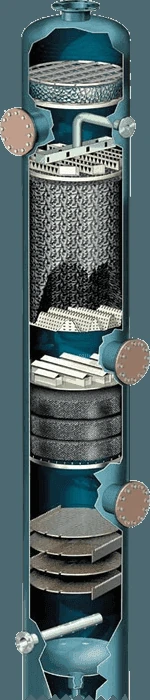 Tower internals refers to the various components that are installed inside a tower or column used for chemical or physical separation processes in industries such as oil and gas, petrochemicals, and pharmaceuticals. The design of tower internals plays a critical role in determining the efficiency and effectiveness of separation processes.
Trays: Trays are horizontal platforms that are installed inside a tower at various levels. They provide a surface area for liquid and gas to interact and allow for separation by gravity. The most common types of trays include sieve trays, valve trays, bubble cap trays, and fixed valve trays.
The design and selection of tower internals depend on the specific process requirements, such as the types of materials being separated, the flow rates, and the desired separation efficiency.
The materials used for tower internals are chosen based on a number of factors, including the following:
The type of material used for tower internals will have a significant impact on the performance of the tower. It is important to select the right type of material for the specific application.
Steel casting is a specialized form of casting involving various types of steel cast to either final/net or near-net shape. Steel castings are used when iron castings cannot deliver enough strength or shock resistance. Examples of items that are steel castings include: hydroelectric turbine wheels, forging presses, gears, railroad truck frames, valve bodies, pump casings, mining machinery, marine equipment, turbocharger turbines and engine cylinder blocks.
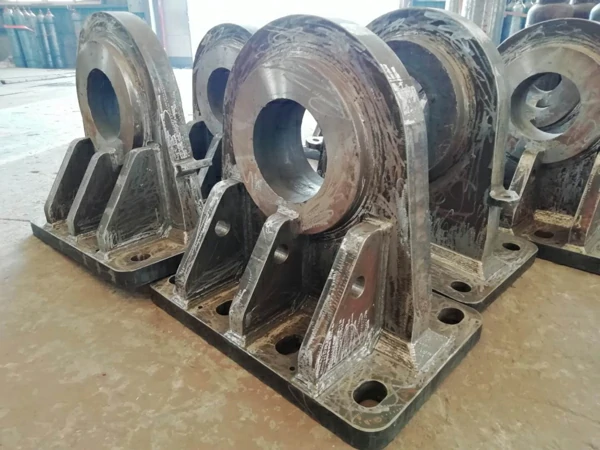
Some common types of steel castings that are widely used in various industries including:
There are several types of steel castings, which are differentiated based on their composition and properties. Some of the most common types of steel castings include:
There are several benefits of using steel castings in various applications. Some of the key benefits include:
Steel castings are an essential part of the global economy. They are used in a wide variety of industries and applications and offer several advantages over other types of metal products.