
When it comes to designing and manufacturing heat exchangers, condensers, and boilers, one critical component often overlooked is the tube sheet. Tube sheets play a pivotal role in these systems, providing support and sealing for the tubes that carry fluids. Selecting the right material for your tube sheet is crucial for ensuring the longevity and efficiency of your equipment. In this article, we'll provide you with essential tips for selecting the right material for tube sheets, including insights into the general materials commonly used.
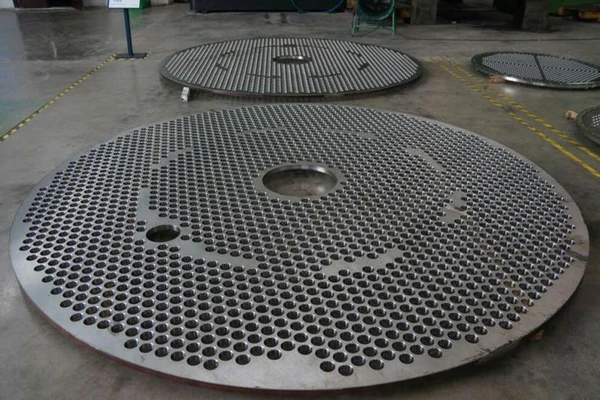
The first step in selecting the right material for your tube sheet is understanding the operating conditions of your equipment. Consider factors such as temperature, pressure, and the type of fluids or gases being processed. For high-temperature and high-pressure applications, materials like stainless steel or carbon steel, which are commonly used due to their versatility, may be appropriate.
Corrosion can significantly affect the lifespan of tube sheets. Depending on the environment your equipment will be exposed to, you may need to select a material with excellent corrosion resistance. Stainless steel, including variants like 304 and 316, is a popular choice for its corrosion-resistant properties.
In some applications, thermal conductivity is a crucial factor. For heat exchangers and condensers, materials with high thermal conductivity, such as copper and aluminum, are commonly used to ensure efficient heat transfer.
The mechanical strength of the material is essential to withstand the stresses and pressures that tube sheets experience during operation. Carbon steel, known for its robustness, is a widely used material.
Cost is always a significant factor in material selection. While specialized materials like Hastelloy and Inconel offer superior performance, they often come at a higher cost. For more budget-friendly options, consider carbon steel or certain stainless steel grades.
Consider the ease of fabrication and welding when selecting a material for your tube sheet. Materials like carbon steel are generally easier to work with and weld, making them a cost-effective choice for many applications.
Ensure that the selected material is compatible with the tubes that will be attached to the tube sheet and the welding processes you intend to use. Carbon steel and stainless steel are typically versatile choices in this regard.
Think long-term. Choose a material that offers durability and requires minimal maintenance. Stainless steel, known for its longevity, can reduce downtime and maintenance costs.
Be aware of industry regulations and standards that may dictate the material requirements for specific applications. Compliance with these standards is essential for safety and performance.
In conclusion, selecting the right material for tube sheets is a critical decision in the design and manufacturing of heat exchangers, condensers, and boilers. By understanding your equipment's operating conditions and considering factors such as corrosion resistance, thermal conductivity, mechanical strength, cost, and ease of fabrication, you can make an informed choice that ensures the reliability and efficiency of your equipment for years to come. Remember, consulting with materials engineers or experts in your industry can provide valuable insights into the best material choices for your specific application.
Now that you have a solid understanding of the factors to consider when selecting the right material for your tube sheets, it's time to put this knowledge into action. If you're in need of high-quality tube sheets that meet your specific requirements, reach out to a reputable tube sheet manufacturer today. Our expertise and experience can help you make the best material choice and ensure the success of your equipment. Don't hesitate to contact us for expert guidance and top-notch tube sheet solutions tailored to your needs. Your equipment's performance and longevity depend on it. Contact us now to get started.
Tube sheets are integral components in the construction of heat exchangers, playing a crucial role in the efficient transfer of heat between two fluid streams. Whether you're a seasoned engineer or a DIY enthusiast, understanding how to design and fabricate tube sheets is essential for ensuring the performance and longevity of your heat exchanger. In this article, we'll delve into the key aspects of tube sheet design and fabrication to help you master this critical skill.
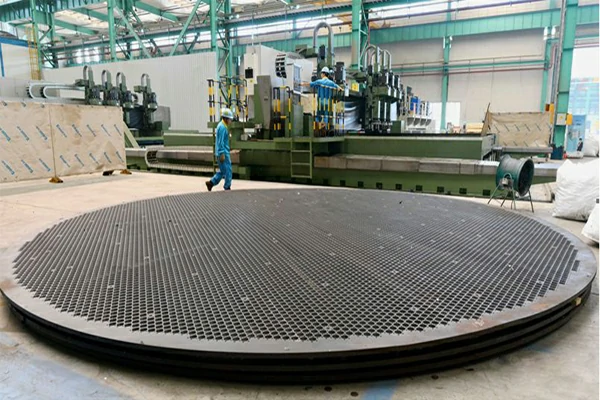
The choice of material for your tube sheet is fundamental. Tube sheets are typically made from various materials, including carbon steel, stainless steel, copper, and titanium, depending on the application and the fluids involved. Consider factors such as temperature, corrosion resistance, and mechanical properties when selecting the material. Always consult material compatibility charts and consult with a materials engineer if necessary.
Find more material selecting information by visiting Tips for Selecting the Right Material for Tube Sheets
Accurate tube hole layout is essential to ensure a tight fit between the tubes and the tube sheet. The pitch, or spacing, between the tubes must be calculated to optimize heat transfer while allowing for efficient fluid flow. Use specialized software or consult heat exchanger design guidelines to determine the optimal tube layout.
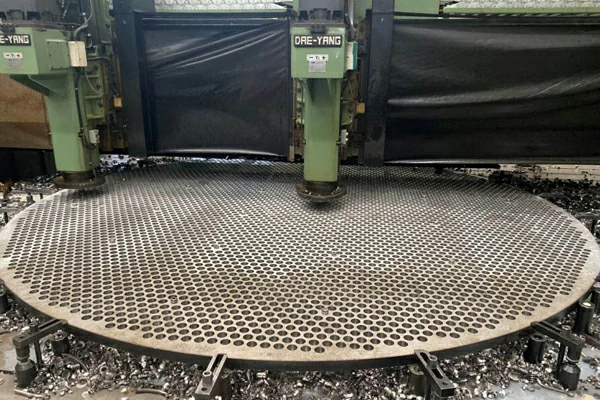
Precision is key when drilling tube holes in the tube sheet. The use of a CNC machine or a drill press with proper fixturing is highly recommended to maintain accuracy. Ensure that the holes are deburred and chamfered to prevent damage to the tubes during installation.
Tube expansion is the process of mechanically joining the tubes to the tube sheet. This step is critical for creating a secure and leak-free connection. Common methods include roller expansion and hydraulic expansion. The choice of method depends on the tube material, tube sheet material, and the specific requirements of the heat exchanger.
In some cases, tube sheets may require welding for additional strength or sealing purposes. Welding should be performed by certified welders following appropriate welding procedures. Proper post-weld heat treatment may be necessary to relieve residual stresses and ensure the integrity of the tube sheet.
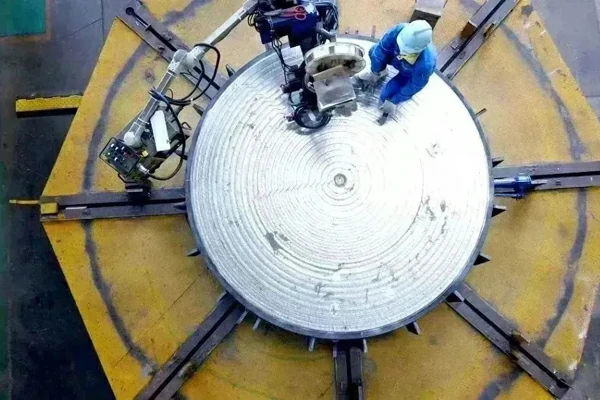
Thorough testing and inspection are crucial to guarantee the quality of the tube sheet. Common tests include hydrostatic testing to check for leaks and non-destructive testing (NDT) methods like ultrasonic testing and radiographic testing to assess the integrity of welds.
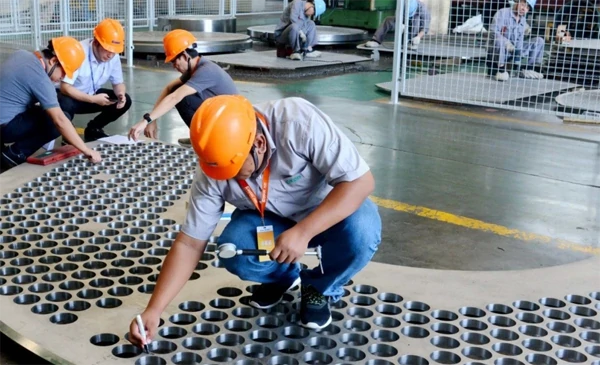
To prolong the life of your tube sheet, consider implementing corrosion protection measures such as coatings, sacrificial anodes, or corrosion-resistant materials. Regular maintenance and inspection are essential to monitor and address any corrosion issues that may arise over time.
Maintaining detailed documentation of the tube sheet fabrication process is vital for traceability and quality control. Ensure that your design and fabrication processes comply with industry standards and regulations.
Mastering the art of tube sheet design and fabrication is essential for anyone involved in the construction of heat exchangers. Proper material selection, precise hole layout, accurate drilling, secure tube expansion, and thorough testing are the key steps to ensure the performance and reliability of your heat exchanger. By following these guidelines and staying updated on industry best practices, you can create tube sheets that excel in heat transfer efficiency and longevity, contributing to the success of your heat exchanger projects.
If you're ready to embark on your next heat exchanger project or seek expert guidance, don't hesitate to reach out to our experienced team of professionals. We're here to provide you with the support and solutions you need for your tube sheet endeavors.
Start crafting high-performance heat exchangers today, and turn your newfound knowledge into tangible results. Your success is just a click or call away!
Here are some successful tube sheet project cases we've delivered:
Metal fabrication is a process that involves the construction of machines and structures from various raw materials. Custom metal fabrication specifically refers to these processes tailored to meet specific client requirements. This art and craftsmanship behind custom metal fabrication are far more complex and intricate than you might initially imagine. It's not just about bending and shaping metal, but also about understanding the unique characteristics of different metals, the best ways to manipulate them, and how to combine them to achieve the desired result.
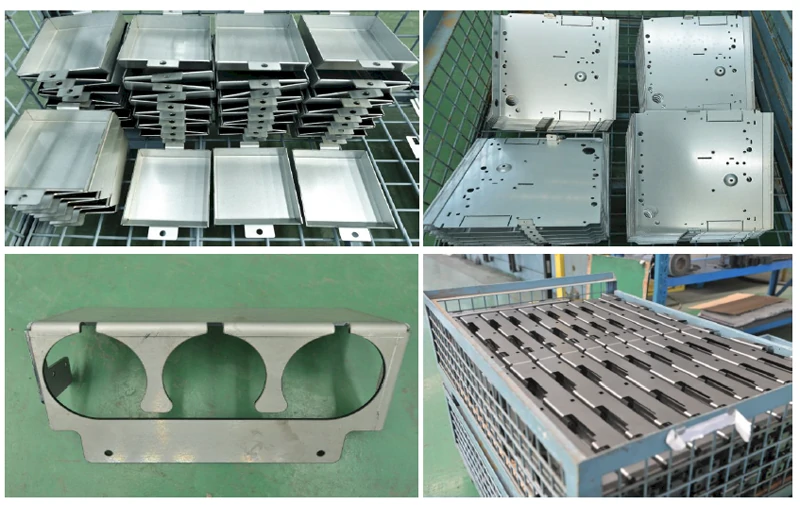
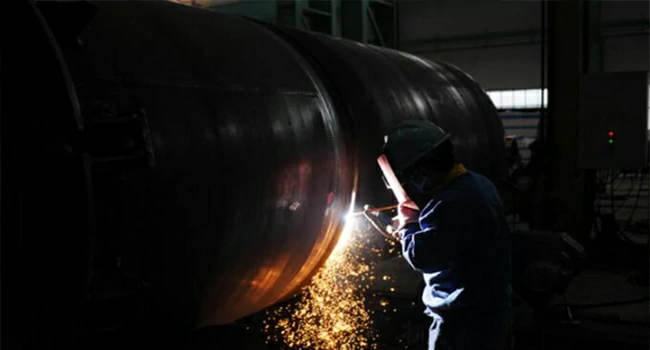
In conclusion, the art and craftsmanship behind custom metal fabrication involve a blend of technical skills, creativity, and attention to detail. It's not just about shaping metal, but also about understanding the client's needs, choosing the right materials, and overcoming any challenges during fabrication.
Looking for quality custom metal fabrication services? Look no further! At Openex, we specialize in delivering exceptional craftsmanship and personalized solutions for all your metal fabrication needs. Whether you require custom metal parts, structural steel fabrication, or intricate metal artwork, our team of skilled fabricators is here to bring your vision to life.
Contact us today to discuss your project and receive a free quote.
Stainless steel pipes are versatile and widely used in various industries due to their exceptional properties and resistance to corrosion and heat. From plumbing and construction to automotive and petrochemical applications, stainless steel pipes play a vital role in modern engineering. In this comprehensive guide, we will explore the properties, types, and applications of stainless steel pipes and how are they fabricated, shedding light on their widespread use and significance.

Behind every stainless steel pipe lies a meticulous fabrication process that guarantees the utmost quality and precision. Our team follows a well-structured approach to create top-of-the-line stainless steel pipes:
Stainless steel pipes are essential components in a wide range of industries due to their exceptional properties and durability. At Openex Metal Fabrication, we take pride in our role as a trusted partner in delivering excellence in stainless steel pipe fabrication. Our commitment to precision engineering and dedication to meeting the specific requirements of each industry sets us apart. Whether it's for plumbing systems, petrochemical applications, or food processing facilities, our stainless steel pipes are crafted to endure the test of time, ensuring the highest levels of performance and safety.
For inquiries or to learn more about our stainless steel pipes and other metal fabrication solutions, feel free to contact us.
In chemical plants, you can always see a kind of "chimney" with a flame, which burns day and night. Some would say, how much fuel does that burn? What a waste. Actually, it's not a chimney. It's called a gas flare.

Gas flare, also known as a flare stack or flare, is a system used in various industries to burn off or dispose of unwanted or excess gases in a safe manner. A combustion device burns flammable gases released during industrial processes, oil and gas production, or chemical plant operations.
Gas flares are typically tall metal structures with a vertical pipe or stack that releases the gas at the top. The flammable gases, such as methane, ethane, propane, and butane, are routed to the flare stack through a network of pipes and valves. At the top of the stack, the gases are ignited, creating a visible flame.
The combination of the tall metal structure, vertical pipe or stack, and gas release at the top allows for the controlled burning of flammable gases in a safe and efficient manner. This design ensures that the combustion takes place at an elevated height, minimizing the risks associated with handling and dispersing flammable gases while reducing the impact on the surrounding environment.
The primary purposes of gas flaring are safety and environmental protection. Flaring prevents the buildup of potentially explosive gases, reducing the risk of accidents. It also helps control the emission of harmful gases, such as methane, which is a potent greenhouse gas contributing to climate change.
Gas flares can be found in various industrial sectors, including oil and gas exploration and production, refineries, chemical plants, and wastewater treatment facilities. However, it is important to note that gas flaring is considered a waste management practice and efforts are being made globally to reduce or eliminate routine flaring due to its environmental impact.
Openex has the capability to manufacture your flare and vent stacks – with years of metal fabrication experience. Our in-house designers and manufacturing team have an excellent track record developing custom stacks ranging from 20 feet to well over 300 feet in height.
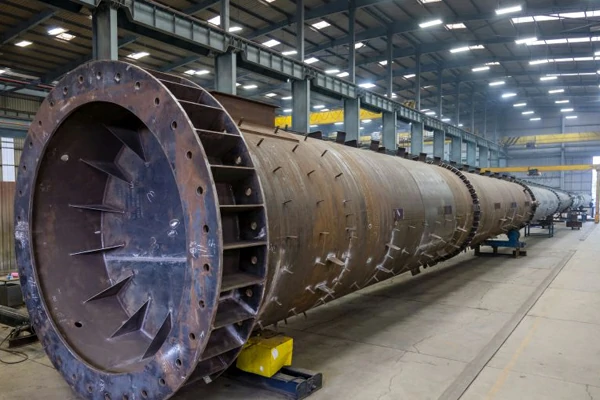
Openex has manufactured stacks and flares for the following industries:
We welcome the opportunity to quote on your needs.
Industrial marine silencers are essential components within the marine industry, effectively reducing noise emissions from various machinery and engines. These silencers are specially designed to meet stringent noise regulations while ensuring a safe and comfortable environment aboard vessels. Custom metal fabrication plays a crucial role in manufacturing these specialized silencers, allowing for precise customization to meet specific requirements.
Custom fabrication plays a vital role in meeting the diverse needs of the marine industry. Given the unique challenges posed by the maritime environment, including harsh weather conditions, corrosive saltwater, and limited space availability, custom fabrication enables the creation of marine silencers tailored to individual vessel requirements. This ensures optimal performance, durability, and compliance with noise regulations.
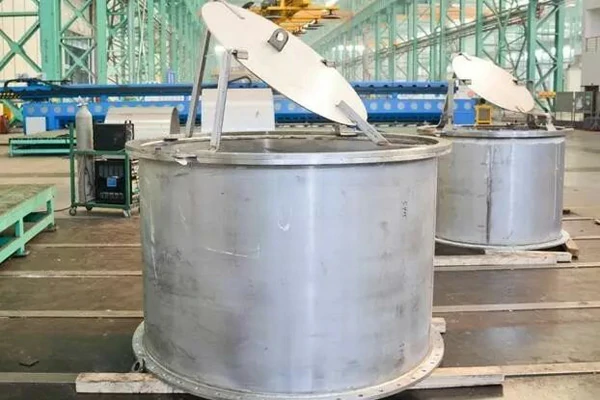
The fabrication process begins with an engineering drawing produced by a process engineer. In order to fabricate the part envisioned in the drawing, the engineer’s plan then has to be broken down into constituent parts that can be physically manufactured.
To do so, the engineering specifications are translated into a series of shop drawings. These are verified with the engineer in charge of the project. Once sign off is complete, the approved shop drawings are given over to the fabrication team.
Today, this process is usually accomplished in the computer using standard files such as MTC Shape Cutting, Pro Nest, and AutoCAD. Once upon a time, this was done with a series of hand-drawn plans (and, truth be told, still is from time to time).
The drawings specify the dimensions for the various pieces of heavy plate that will make up the silencer. Once everything is measured, plate shears are used to cut the larger thick steel pieces. High-definition plasma or laser machines with CNC controls are used to cut smaller pieces or ones that feature complex shapes or require particularly tight tolerances.
Once the pieces of heavy steel plate have been cut, they are subjected to bending or rolling, depending on the type of silencer being fabricated. Press brakes are used to bend plates for rectangular structures while rollers are generally used to give plates a rounded contour for circular ducts (although a press brake can also be used to “roll” a steel plate with incremental braking).
Once the pieces made from steel plate have been sized, they are lined up with one another to verify that they fit together properly and meet all of the specifications that can be assessed at that point in the process.
If all of the basic pieces of the silencers fit properly, parts are prepared for welding. After careful preparation, quality welds that conform to ASME, AWS, or other welding standards are made to join the pieces of metal to one another. Our skilled welders employ various welding techniques, including TIG (Tungsten Inert Gas) or MIG (Metal Inert Gas) welding, to join the cut components securely. This ensures the structural integrity and leak-free operation of the silencer.
To enhance corrosion resistance, marine silencers undergo surface treatment processes such as sandblasting and passivation. This essential step protects the silencer from the harsh marine environment, ensuring its longevity and optimal functionality.
At each stage of the fabrication process, we conduct thorough inspections and testing to ensure that the silencer meets the required specifications and performance standards. This includes rigorous testing for noise reduction efficiency, pressure resistance, and overall durability.
Hopefully this account of how industrial marine silencers is custom fabricated has shed some light on the process for you. We can’t say this is how everyone does it, but it’s what we know and do at Openex Metal Fabricators.
If you have any questions about this process, please feel free to contact us at sales3@openex.com.cn. And if you have a slightly different way you'd like to have heavy marine silencers custom fabricated, we'll be happy to hear it.
Steel pipes play a crucial role in numerous industries, from construction and oil and gas to manufacturing and infrastructure development. In many cases, standard off-the-shelf pipes may not meet the specific requirements of a project. That's where custom fabrication comes into play. Custom-fabricated heavy-duty steel pipes offer a tailored solution to meet the unique needs of various applications. In this article, we will explore how heavy-duty steel pipes are custom fabricated and why this process is essential.
Custom fabrication involves the manufacturing of steel pipes based on specific project requirements. It allows for the production of pipes in varying sizes, shapes, thicknesses, and lengths, which are not readily available as standard products. Custom-fabricated steel pipes are designed to withstand high-pressure environments, extreme temperatures, corrosive substances, and heavy loads.
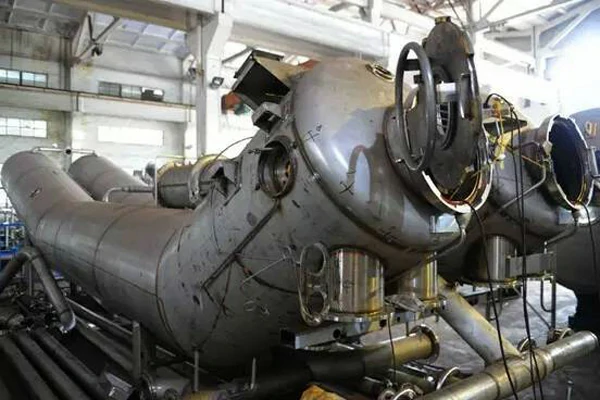
The custom fabrication process begins with a detailed assessment of the project requirements. This includes understanding the purpose of the pipes, the environment they will be exposed to, the desired specifications, and any industry or regulatory standards that need to be met. Factors such as pressure ratings, material composition, diameter, wall thickness, and end connections are carefully considered during the assessment.
Custom-fabricated heavy-duty steel pipes offer immense flexibility and reliability for various industrial applications. The meticulous process of assessing project requirements, material selection, design, fabrication, and quality control ensures that these pipes are tailored to withstand the specific demands of each project. With their exceptional strength, durability, and resistance to harsh environments, custom-fabricated steel pipes provide a robust solution for critical infrastructure and industrial projects around the world.

Openex is a reliable provider of a wide variety of pipe fitting services. Our capabilities also include pipe and tube fabrication and CNC pipe cutting and bending. Our skilled welders perform quality welds that adhere to industry standards such as ASME, and AWS. Openex offers quality pipe welding services in a multitude of processes on all kinds of materials including carbon steel, galvanized steel, stainless steel, and aluminum.
Our piping products include miscellaneous pipe fabrications, header pipes, pipe stanchions, and piping skids. Support the following industries:
Openex is proud of our rich history in building custom metal fabrications for various applications. All of our custom fabrication work is done at our advanced manufacturing facility and is made by our highly skilled workforce. Send us a free quote request at sales3@openex.com.cn for your special project today!
When you see large silos and bins towering over industrial sites, you may wonder how they are fabricated. These structures, designed to store and handle bulk materials, are not readily available off the shelf. They require custom fabrication to meet the specific requirements of each facility. In this article, we will take you through the process of how heavy silos and bins are custom fabricated.
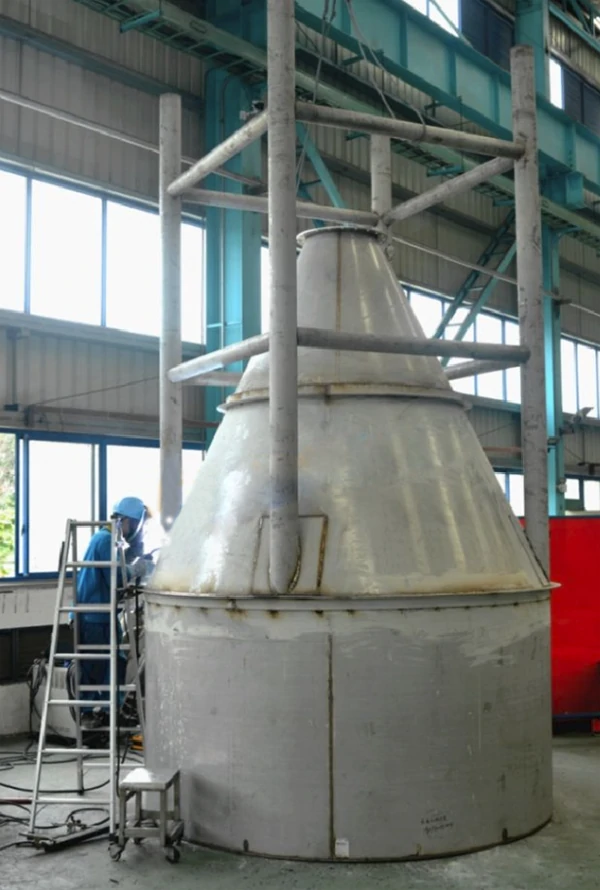
The fabrication of heavy silos and bins starts with a detailed design and engineering phase. An experienced engineer works closely with the client to understand their requirements and creates engineering drawings that outline the dimensions, materials, and structural specifications of the silos or bins.
These drawings serve as a blueprint for the fabrication process and are essential for ensuring that the final product meets the client's needs. They also help determine the materials and fabrication techniques to be used in the construction.
Once the design and engineering phase is complete, the next step is material selection. Heavy silos and bins are typically constructed using materials such as steel, concrete, or a combination of both. The choice of material depends on factors such as the intended use, required capacity, and environmental conditions.
If steel is selected, the fabrication process begins with the preparation of steel plates or sheets. These materials are carefully measured and cut to the required dimensions using shearing machines or plasma/laser cutting technology. The precision cutting ensures that the individual components fit together accurately during assembly.
After the materials have been prepared, the fabrication process begins. For steel silos and bins, the components are shaped, bent, and welded together to create the desired structure. Advanced welding techniques are used to ensure strong and durable joints.
During the assembly process, each component is carefully aligned and connected to form the complete silo or bin. Quality control checks are performed at various stages to ensure that the dimensions, alignment, and structural integrity of the structure meet the specifications.
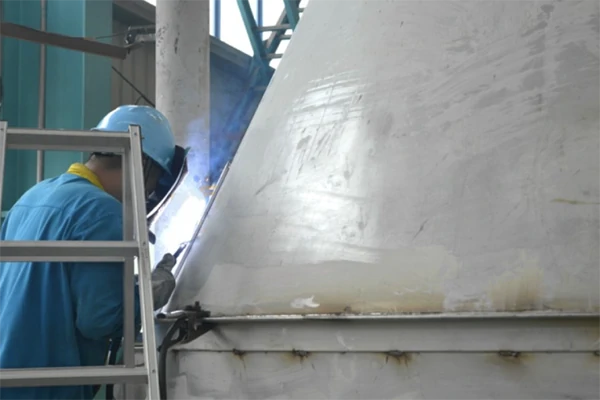
To protect heavy silos and bins from corrosion and other environmental factors, surface treatment and coating are applied. The surfaces are cleaned, and any rust or impurities are removed through methods like sandblasting or chemical cleaning. This process prepares the surfaces for the application of protective coatings.
A primer is typically applied to the cleaned surfaces, followed by one or more layers of specialized coating materials. These coatings provide a barrier against moisture, chemicals, and other potential causes of deterioration. The specific coating system used depends on factors such as the intended use, environmental conditions, and client preferences.
Once the fabrication, assembly, and coating processes are complete, a thorough inspection is carried out. Qualified inspectors assess the quality, structural integrity, and compliance of the heavy silos or bins with relevant industry standards. Any necessary adjustments or repairs are made at this stage.
Once the final inspection is passed, the custom-fabricated heavy silos or bins are prepared for delivery. They are disassembled into manageable sections to facilitate transportation and then shipped to the client's site. Specialized transportation methods are used to handle the large and often irregularly shaped components.
The custom fabrication of heavy silos and bins involves a detailed process that begins with design and engineering, followed by material selection, fabrication, assembly, surface treatment, and final inspection. Each step is crucial to ensure that the final product meets the client's requirements for storage and handling of bulk materials.
If you have any questions or require custom fabrication of heavy silos or bins, feel free to contact our expert team at sales3@openex.com.cn. We have the expertise and capabilities to deliver high-quality solutions tailored to your specific needs.
Metal fabrication, a versatile manufacturing process, plays a vital role in advancing the field of photovoltaic (PV) power generation. From providing structural support to enabling customized designs, metal fabrication contributes significantly to the efficiency, durability, and overall success of industrial-scale solar installations.
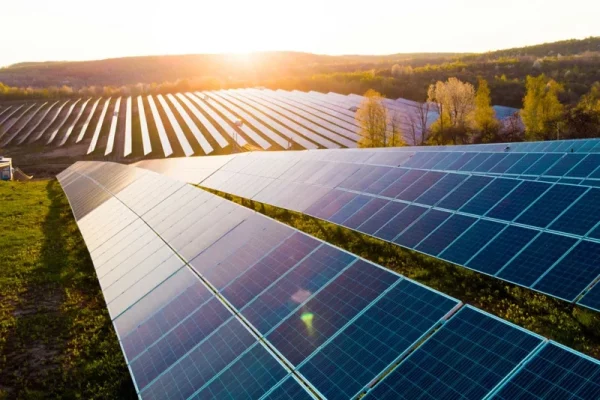
Here are the main parts of the photovoltaic power generation process that involve metal fabrication:
It's important to note that the specific parts and components involved in metal fabrication can vary depending on the design and type of photovoltaic system, as well as the manufacturer's specifications. Metal fabrication techniques are used to create durable, reliable, and efficient components for the photovoltaic power generation process.
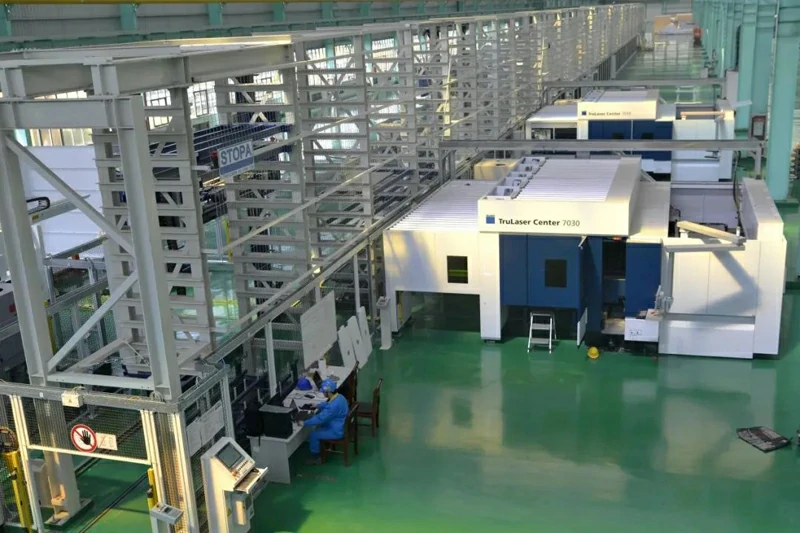
As one of the professional metal fabrication companies, Openex plays a significant role in supporting photovoltaic power generation in the following ways:
Our metal fabrication capabilities involved cutting, bending, plate rolling, welding, drilling, machining, and assembly. The use of high-quality metals and precise fabrication techniques is crucial to ensure the durability, strength, and safety of the photovoltaic power generation system.
If you're involved in the photovoltaic power generation industry and in need of high-quality metal components, don't hesitate to reach out to us at sales3@openex.com.cn, a reputable metal fabrication company. Take advantage of our expertise in custom fabrication, material selection, and production efficiency to enhance the performance and durability of your photovoltaic systems.
Whether you require solar panel frames, mounting systems, junction boxes, electric enclosures, or other metal components, we can provide tailored solutions to your needs. Collaborate with us to optimize designs, ensure quality manufacturing, and achieve cost-effective production.
Investing in reliable metal components from a trusted metal fabrication company will contribute to the success and long-term sustainability of your photovoltaic power generation projects. Take the next step today and connect with us to support your solar energy endeavors.
Duplex stainless steel is a type of stainless steel that has a two-phase microstructure consisting of both austenitic and ferritic phases in roughly equal proportions. This type of steel is characterized by its high strength and corrosion resistance, making it suitable for a wide range of applications in industries such as oil and gas, chemical processing, and marine engineering.
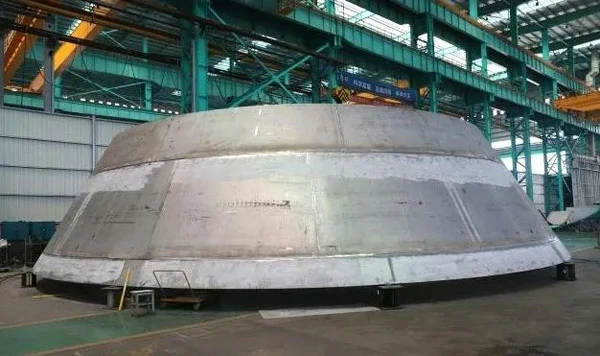
The duplex structure of this steel gives it a unique combination of properties that cannot be found in other types of stainless steel. For example, duplex stainless steel is more resistant to stress corrosion cracking and pitting corrosion than austenitic stainless steel, while also having higher strength and toughness than ferritic stainless steel. This makes it an ideal choice for applications that require both high strength and excellent corrosion resistance.
Duplex stainless steel is commonly used in applications such as offshore oil and gas platforms, chemical processing equipment, and desalination plants. It is also used in the construction of bridges, storage tanks, and pressure vessels.
There are several grades of duplex stainless steel that are commonly used in various industries. Some of the most commonly used grades of duplex stainless steel include:
These grades of duplex stainless steel offer a range of properties and characteristics that make them suitable for various applications. The selection of the appropriate grade of duplex stainless steel depends on the specific application requirements, including the environment in which the material will be used and the desired properties such as strength, corrosion resistance, and cost-effectiveness.
Duplex stainless steel has a wide range of applications across various industries due to its unique combination of properties, including high strength, excellent corrosion resistance, and good weldability. Some of the common applications of duplex stainless steel include:
Duplex stainless steel has several benefits that make it a popular choice in a wide range of applications. Some of the key benefits of duplex stainless steel are:
As a member of a professional metal fabrication company that works with duplex stainless steel, we take great pride in our ability to provide our customers with high-quality products that meet their specific needs and requirements. Here are some additional points to consider:
Overall, Openex is committed to providing our customers with the highest quality duplex stainless steel products and services. With our advanced equipment, experienced team, and commitment to quality, we are confident that we can meet the needs of even the most demanding customers.