
Machining is an age-old manufacturing process that has evolved significantly over the years. From its humble beginnings as a manual craft to today's advanced computer-controlled systems, machining has grown into a versatile and powerful technique that underpins modern industry.
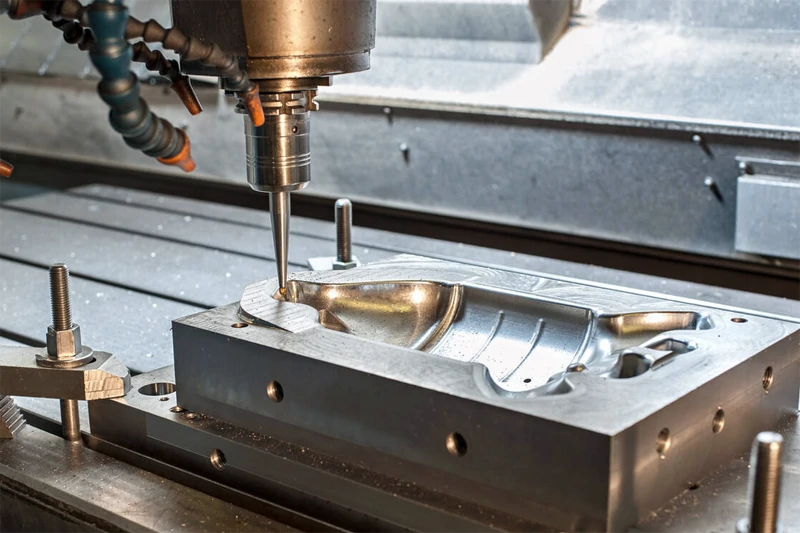
Machining can be traced back to ancient times when human ingenuity led to the creation of simple tools for shaping and crafting various materials. These early tools included hand-held chisels, saws, and drills, which were operated manually. The Industrial Revolution in the 18th century marked a turning point in the history of machining, as it brought about the development of mechanized and automated machining processes.
One of the most iconic moments in the history of machining was the invention of the lathe, often attributed to the ancient Egyptians. The lathe revolutionized the way objects were crafted and allowed for the creation of intricate and precise parts. With the advent of the computer age, machining entered a new era, driven by digital technology and automation.
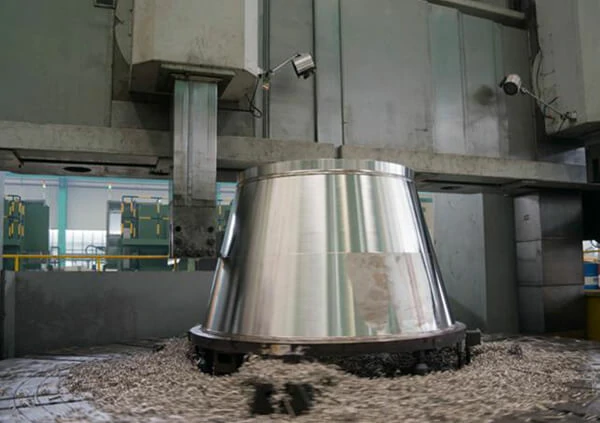
Machining encompasses a wide range of techniques and processes, each tailored to specific applications and materials. Some of the most common machining methods include:
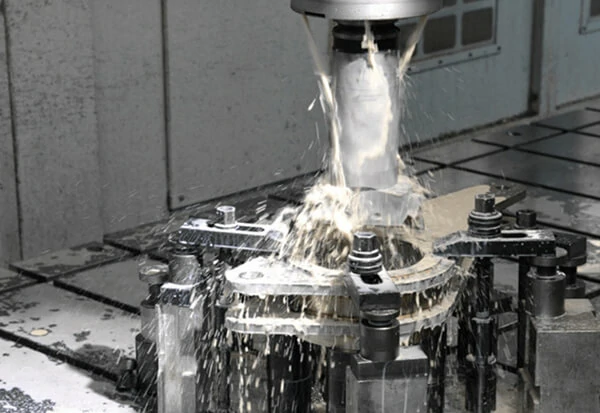
Machining plays a crucial role in the manufacturing of a wide array of products across various industries. Some of the industries that benefit from the limitless capabilities of machining include:
One of the most significant advancements in machining technology is the widespread adoption of CNC machines. CNC machining, short for Computer Numerical Control machining, revolutionized manufacturing by automating processes and improving precision. Here's how CNC machining has transformed modern industry:
The world of machining is continually evolving, driven by technological advancements and innovative ideas. Some of the latest trends and innovations in machining include:
The future of machining holds exciting possibilities. As technology continues to advance, we can expect even greater precision, efficiency, and versatility in machining processes. Here are a few areas where machining is likely to make significant strides:
While the capabilities of machining are limitless, there are also challenges and considerations to keep in mind as the field continues to evolve:
Machining is a foundational technology that has been instrumental in shaping the modern world. Its limitless capabilities and applications across various industries continue to drive innovation and progress. As we look to the future, machining is poised to play a central role in addressing the challenges and opportunities presented by technological advancements, sustainability goals, and the exploration of new frontiers in space and medicine.
The relentless pursuit of precision, efficiency, and customization ensures that machining remains at the forefront of modern manufacturing. The ongoing collaboration between skilled machinists, engineers, and technologists will enable us to harness the full potential of this ancient yet ever-evolving craft, ultimately benefiting society and driving progress in all aspects of life. As we continue to unleash the power of machining, the possibilities are truly limitless, and the future is bright for this fundamental technology.
As a professional machining company, staying at the forefront of the industry and providing value to our customers would be our top priorities. Here are the key strategies and actions we would take to ensure success in this dynamic field:
By implementing these strategies, a professional machining company can position itself as a leader in the industry, providing high-quality, innovative, and sustainable solutions to a wide range of industries while ensuring long-term success and growth.
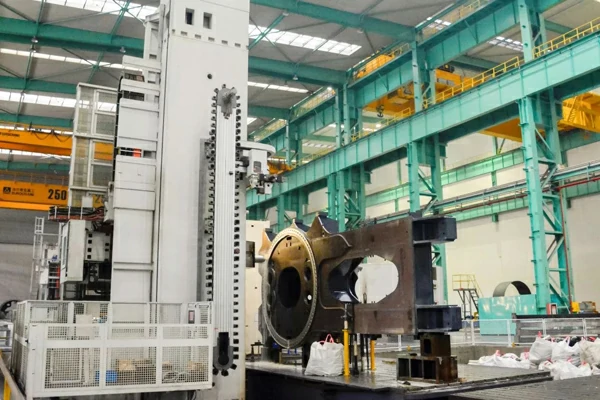
At Openex, we take pride in being your trusted partner for all your machining needs. When you choose us, you're choosing excellence, efficiency, and a world of possibilities.
Ready to turn your vision into reality? Whether you're in aerospace, automotive, medical, electronics, or any other industry, Openex is your go-to source for precision machining. Reach out to us today to discuss your project, request a quote, or inquire about our services. We're here to bring your ideas to life and deliver excellence in every component.
Contact us at sales3@openex.com.cn and discover the machining partner you've been searching for. Let's create exceptional solutions together!
Metal storage tanks are a ubiquitous sight across various industries, silently performing a vital role in storing and preserving a wide array of substances. Their robust construction, durability, and versatility make them an indispensable asset in sectors ranging from agriculture to petrochemicals, and beyond. In this article, we will explore the many uses for metal storage tanks and how they contribute to the efficient functioning of diverse industries.
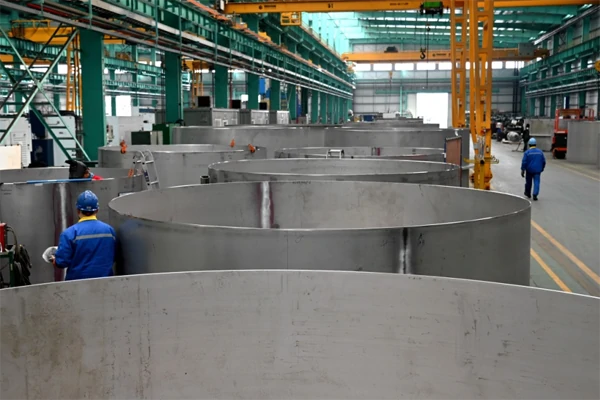
Agriculture is the backbone of many economies worldwide, and metal storage tanks are pivotal in this sector. Farmers and agricultural businesses utilize these tanks for various purposes:
The oil and gas industry relies heavily on metal storage tanks to store crude oil, refined petroleum products, and various chemicals. These tanks come in various shapes and sizes, including above-ground and underground installations, and serve several crucial functions:
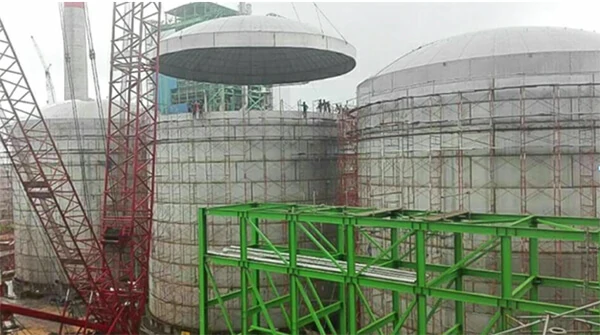
In the chemical manufacturing industry, the safe storage of raw materials, intermediates, and finished products is paramount. Metal storage tanks offer exceptional chemical resistance and can safely house a wide range of chemicals, acids, and hazardous materials. Industries such as pharmaceuticals, electronics, and manufacturing rely on these tanks for their chemical storage needs.
Water is a precious resource, and metal storage tanks play a critical role in water treatment and distribution:
In the food and beverage industry, metal storage tanks are essential for various purposes:
With the growing emphasis on renewable energy sources, metal storage tanks are increasingly used in the renewable energy sector:
In the mining industry, metal storage tanks are employed for various purposes:
Construction sites frequently require metal storage tanks for various purposes:
Emergency services, including fire departments, often use metal storage tanks to store water or firefighting foam. These tanks enable quick access to vital resources during emergencies and ensure effective response to fires and other disasters.
Metal storage tanks are versatile assets that find application in a multitude of industries, contributing to the efficient functioning of various sectors of the economy. Their durability, resistance to corrosion, and adaptability to different environments make them indispensable for storing liquids and solids, from water and chemicals to agricultural products and energy sources. As industries continue to evolve, the importance of metal storage tanks in maintaining operational efficiency and safety remains unwavering.
With so many different applications for metal tanks and the inevitable space limitations and specific requirements faced by any modern facility, it’s unlikely that an out-of-the-box solution will readily present itself. In this case, it’s a good idea to consider a custom-fabricated storage solution that will meet all your needs and be built to your exact specifications.
If you think you might need a custom metal tank or need guidance from an experienced metal fabricator, please contact us here at sales3@openex.com.cn. We’ll be happy to help.
In an era dominated by portable electronic devices, electric vehicles, and renewable energy systems, lithium-ion batteries have emerged as the backbone of modern energy storage solutions. These lightweight and high-energy-density powerhouses have revolutionized the way we live and work, but few of us truly understand the intricate processes behind their production. In this blog, we will take a deep dive into the world of lithium battery manufacturing, with a particular focus on the pivotal role that metal fabrication plays in this fascinating industry.
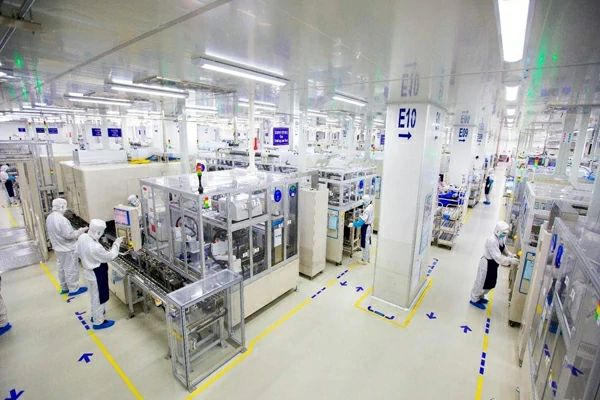
The journey of lithium batteries from laboratories to our everyday lives has been nothing short of remarkable. First developed in the 1970s, these batteries have undergone significant improvements over the years. Today, they power everything from smartphones to laptops, electric vehicles to grid-scale energy storage systems.
The key to the success of lithium-ion batteries lies in their chemistry. Unlike traditional lead-acid batteries, which rely on chemical reactions involving lead and sulfuric acid, lithium-ion batteries use lithium ions to store and release energy. This chemistry not only results in higher energy density but also allows for faster charging and discharging, making them incredibly versatile.
Lithium battery production is a complex, multi-step process that requires precision engineering, chemistry expertise, and strict quality control. The key components of a lithium-ion battery include the cathode, anode, separator, electrolyte, and the casing. Each of these components plays a crucial role in the battery's performance.
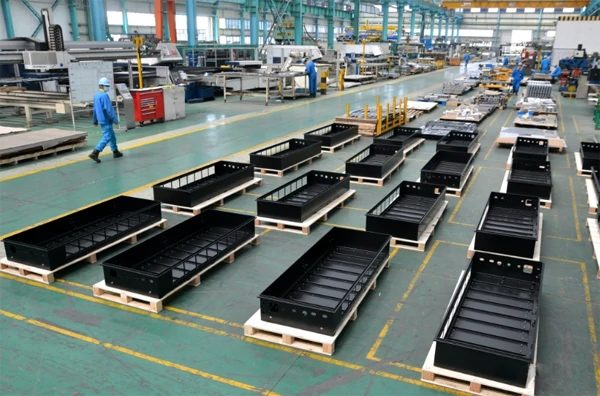
The casing of a lithium-ion battery, typically made of metal, serves as the protective enclosure for the internal components. This metal casing is a critical component that ensures the safety and structural integrity of the battery.
Metal fabrication techniques, such as stamping, die-cutting, and welding, are employed to create the intricate shapes and designs needed for various battery form factors. Stainless steel and aluminum are commonly used materials due to their corrosion resistance and durability.
The cathode and anode are the positive and negative electrodes of the battery, respectively. These electrodes are typically composed of metal foils coated with active materials. For example, the cathode often contains lithium cobalt oxide (LiCoO2), while the anode may consist of graphite or other carbon-based materials.
Metal fabrication is involved in the production of these electrode foils. Thin sheets of metal are precision-cut and coated with the active material using specialized techniques. The metal substrate provides structural support while allowing for efficient electron flow.
Once the individual components are prepared, they are assembled into cells. This process involves carefully stacking the anode, cathode, separator, and electrolyte while maintaining a controlled environment to prevent contamination and ensure safety.
Metal fabrication plays a role in the production of cell casings and connectors, which are crucial for maintaining electrical connections and sealing the cell to prevent leaks.
Quality control is a paramount concern in lithium battery production. Metal components undergo rigorous inspection to ensure they meet dimensional and quality standards. The thickness and uniformity of metal foils, for example, are critical factors that can impact the battery's performance and safety.
As the demand for lithium-ion batteries continues to grow, researchers and manufacturers are continually seeking ways to improve their performance, energy density, and safety. Metal fabrication technologies play a pivotal role in these advancements.
Conclusion
Lithium-ion batteries have transformed the way we power our devices and vehicles, and their importance in the transition to cleaner energy sources cannot be overstated. Metal fabrication is a cornerstone of lithium battery production, ensuring the structural integrity and performance of these power sources. As technology continues to advance, the role of metal fabrication will evolve, contributing to lighter, safer, and more sustainable batteries that drive innovation in the energy storage industry. The next time you power up your smartphone or step into an electric vehicle, remember that behind the scenes, metal fabrication is playing a crucial role in powering our modern world.
In a world where precision matters more than ever, precision metal works have emerged as a true art form. These intricate creations not only serve functional purposes but also showcase the remarkable craftsmanship and engineering expertise that goes into their production. From aerospace components to medical devices, from intricate jewelry to architectural marvels, precision metal works are all around us, often hidden in plain sight. In this blog, we will delve deep into the world of precision metal works, exploring their history, applications, and the meticulous techniques that bring them to life.
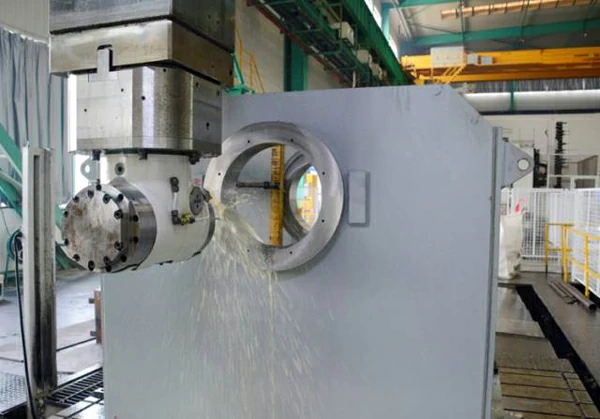
The roots of precision metal works can be traced back to ancient civilizations. Early metalworkers used basic tools and techniques to shape and manipulate metals, paving the way for more advanced metallurgy in the future. The advent of the Industrial Revolution in the 18th century brought about significant advancements in metalworking, as machines and tools were developed to achieve higher levels of precision.
However, it was during the mid-20th century that precision metal works truly came into their own. World War II played a pivotal role in driving advancements in precision machining, as military demands required the production of highly precise components for weapons, aircraft, and vehicles. Post-war, the aerospace and medical industries embraced precision metal works for their intricate and demanding applications.
Precision metal works encompass a wide array of applications, each requiring a specific level of precision and craftsmanship. Here are some notable areas where precision metal works shine:
The aerospace industry relies heavily on precision metal works to produce critical components for aircraft and spacecraft. From turbine blades to landing gear, every piece must meet exacting standards to ensure safety and performance. CNC (Computer Numerical Control) machining and 3D printing have revolutionized the production of aerospace parts, allowing for unprecedented precision.

In the medical field, precision is a matter of life and death. Surgical instruments, implants, and diagnostic equipment are all manufactured with precision metal works. Materials like titanium and stainless steel are often used for their biocompatibility and strength, while micro-machining techniques enable the creation of incredibly small and intricate components.
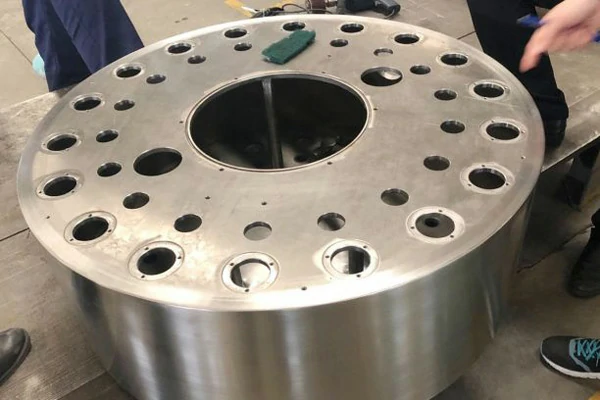
The electronics industry relies on precision metal works for manufacturing semiconductors, connectors, and electronic enclosures. Miniaturization is a key trend here, as devices become smaller and more powerful. Precision metal works help make this possible by crafting tiny, complex components with incredible accuracy.
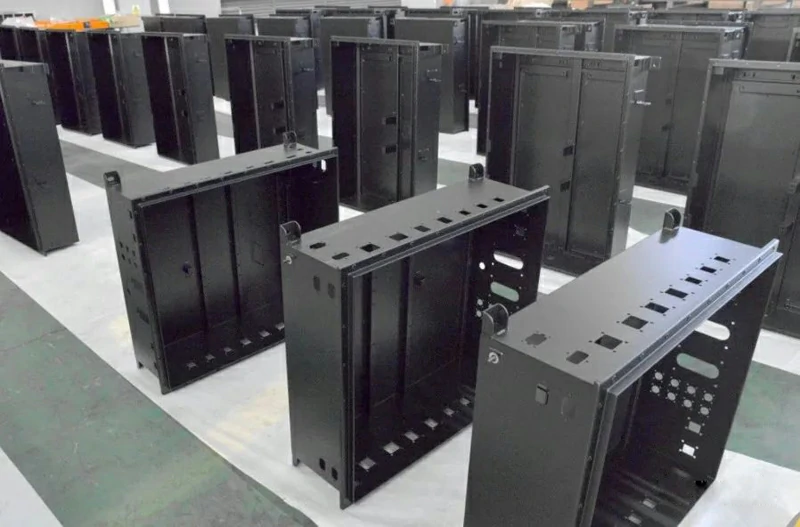
Precision metal works play a crucial role in the automotive industry, where safety and performance standards are paramount. From engine components to transmission parts, the quality of precision metal works directly affects a vehicle's reliability and efficiency. Advanced manufacturing technologies like laser cutting and robotic welding have elevated the precision of automotive components.
Even in the world of architecture and design, precision metal works have found a place. Intricate metal sculptures, contemporary building facades, and custom-made furniture often incorporate precision metalwork to achieve unique and stunning designs.
Achieving the level of precision required in these industries demands a meticulous and sophisticated manufacturing process. Here are some key steps involved in precision metal works:
Every project begins with detailed design and engineering work. Computer-aided design (CAD) and computer-aided manufacturing (CAM) software are used to create precise digital models and plans.
The choice of materials is critical to the success of precision metal works. Factors such as strength, durability, and resistance to corrosion must be considered. Materials commonly used include stainless steel, aluminum, titanium, and various alloys.
Precision metal works often involve complex machining processes, such as CNC milling, turning, grinding, and EDM (Electrical Discharge Machining). Advanced tools and equipment are used to shape and finish the metal to exact specifications.
Quality control is an integral part of precision metal works. Advanced measuring and inspection techniques, including coordinate measuring machines (CMM) and optical metrology, ensure that every component meets stringent tolerances and standards.
Surface finishes, such as plating, anodizing, and polishing, not only enhance the aesthetics but also provide additional protection and functionality to precision metal components.
Precision metal works are not just about meeting specifications; they are a testament to human ingenuity and craftsmanship. The artisans who craft these components, whether it's a skilled machinist or a talented jeweler, bring a level of artistry to their work that elevates it beyond mere engineering.
The artistry of precision lies in the ability to transform raw materials into objects of beauty and functionality, with every angle, curve, and surface finish meticulously considered. It's the satisfaction of knowing that a complex aerospace component will soar through the skies flawlessly or that a delicate medical instrument will save lives with precision.
So, precision metal works are the unsung heroes behind some of the most technologically advanced and aesthetically pleasing creations in our world. From the depths of the aerospace industry to the intricacies of medical devices and beyond, precision metal works are a testament to the human capacity for innovation, precision, and artistry. As technology continues to advance, we can only imagine the incredible possibilities that lie ahead in the ever-evolving world of precision metal works.
Paper-making is an ancient craft that has evolved over centuries into a highly efficient and environmentally conscious industry. While the traditional methods involved manual labor and handcrafted tools, modern paper-making relies heavily on machines and advanced technologies to streamline the process. In this guide, we will take you through the stages of paper-making and explore how metal fabrication plays a crucial role in this fascinating journey.
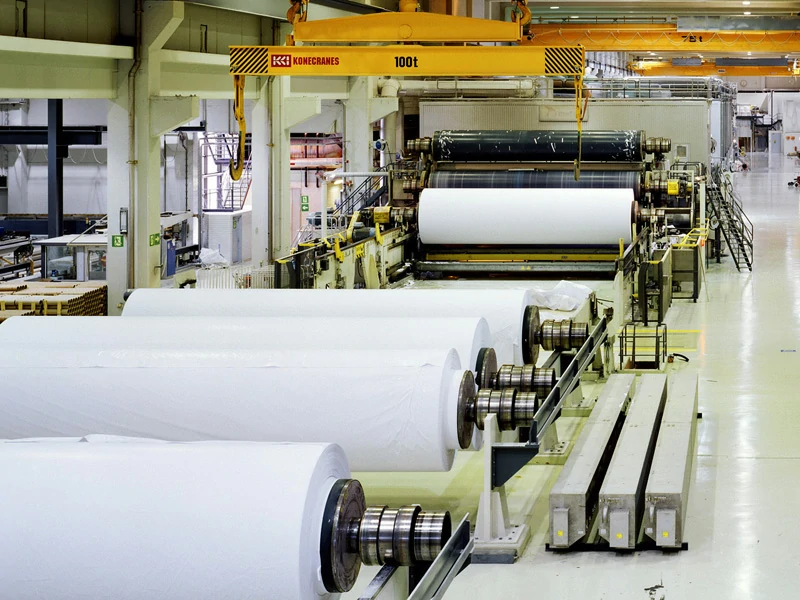
Before diving into the intricate world of machines and metal fabrication, let's understand the fundamental stages of paper-making:
Now, let's explore the machines and equipment involved in each stage of paper-making:
Now, let's explore how metal fabrication contributes to the paper-making process:

Paper-making is a blend of art and science, with modern technology and metal fabrication playing a crucial role in making the process efficient, sustainable, and capable of producing a wide range of paper products. The journey from raw materials to the final printed page is a testament to human ingenuity and innovation, and metal fabrication is at the heart of this fascinating industry.
At Openex, we are experts in crafting the metal components and equipment that keep industries like paper-making running smoothly. With years of experience and a commitment to quality, we offer a wide range of services, from precision machining to shaping and welding. Our team of skilled professionals is dedicated to helping businesses in the paper-making industry meet their unique metal fabrication needs.
If you're in the paper-making industry and need reliable metal fabrication solutions, don't hesitate to get in touch with us at sales3@openex.com.cn. We're here to provide you with top-notch service and customized solutions to keep your operations efficient and sustainable.
Contact us today to discuss your metal fabrication requirements, and let's work together to ensure your paper-making process is equipped with the best metal components and equipment.
In the ever-evolving world of paper manufacturing, where quality and efficiency reign supreme, the screening process stands as a pivotal player in ensuring the end product meets the stringent demands of the industry. Traditional screening methods have their limitations, but there's a revolutionary solution that's been gaining traction in recent years – Centrifugal Screens.
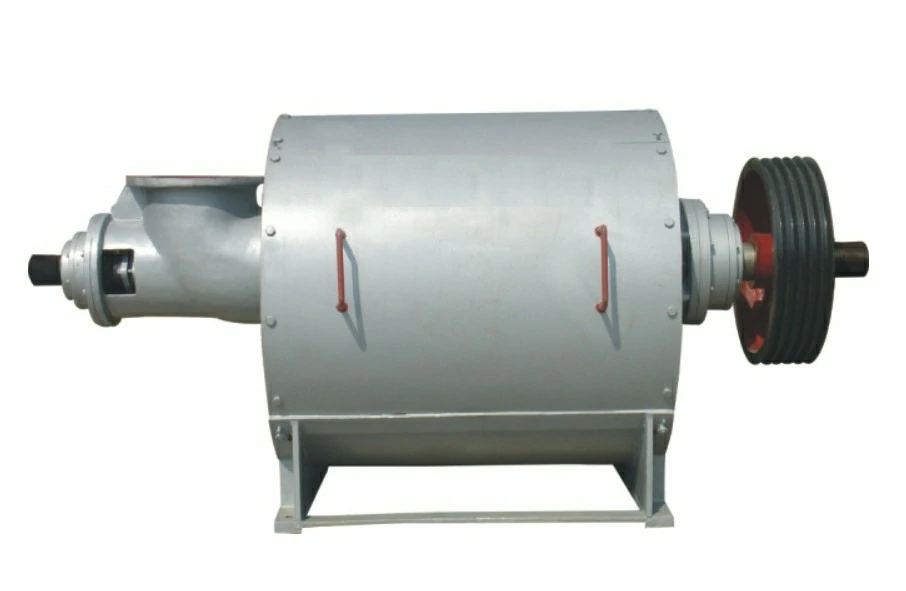
Before we delve into the intricacies of how Centrifugal Screens operate and the transformative impact they bring to papermaking, let's embark on a journey to understand the fundamental components that constitute these cutting-edge machines. Delving into their composition is akin to deciphering the blueprints of a revolutionary technological marvel.
1. Housing: The external shell of a Centrifugal Screen typically boasts construction from robust materials, such as stainless steel or specialized alloys. This is where metal fabrication expertise comes into play, ensuring that the housing is precisely crafted for durability and structural integrity. Metal fabrication processes like welding, cutting, and shaping are employed to create a rugged, reliable housing capable of withstanding the formidable forces that come into play during its operation.
2. Rotor: The centrifugal force generator, known as the rotor, assumes a central role within the Centrifugal Screen. Like the housing, the rotor too undergoes meticulous metal fabrication processes to ensure its durability and balance. Skilled metal fabricators work on crafting the rotor's blades or vanes, ensuring they are precisely positioned to optimize the screen's performance.
3. Inlet and Outlet: The inlet and outlet ports, vital to the screen's operation, are seamlessly integrated into the housing, maintaining structural integrity. Metal fabrication techniques are employed to create these ports, ensuring they are robust and precisely positioned to ensure a smooth and efficient flow.
4. Screen Surface: Nestled within the rotor drum is the screen surface. Its configuration - whether perforated or slotted - is tailor-made using metal fabrication processes to meet specific application requirements. Precision machining ensures that the screen's perforations or slots are accurately positioned and sized, contributing to the screen's effectiveness in separating contaminants from the pulp.
5. Drive Mechanism: The driving force behind the rotor's rotation comes from the screen's drive mechanism, typically an electric motor. Metal fabrication plays a role in creating the motor housing and related components, ensuring they are resilient and precisely calibrated to impart the requisite rotational energy to the rotor.
6. Machine Base: Providing the foundational stability upon which all other components rest, the machine base is an essential element of the Centrifugal Screen's composition. Crafted through metal fabrication processes, it ensures the screen operates smoothly by withstanding the mechanical forces and vibrations generated during operation.
7. Contaminant Collection System: Facilitating the expulsion of contaminants is a collection system integrated within Centrifugal Screens. Metal fabrication techniques are employed to design and produce these collection components, ensuring they are robust and durable.
With their robust metal-fabricated components, Centrifugal Screens bring a host of benefits to the papermaking industry:
Centrifugal Screens have found applications in various segments of the papermaking industry, including:
Centrifugal Screens have emerged as a game-changer in the papermaking industry, combining the precision of metal fabrication with innovative design. Their ability to efficiently remove contaminants while minimizing fiber loss and reducing energy consumption makes them a valuable asset to paper mills worldwide. By investing in these advanced screening solutions, papermakers can ensure their products meet the stringent standards of today's market while optimizing their production processes for the future. Metal fabrication expertise is at the core of these transformative machines, further cementing their role as a marvel of engineering in the world of papermaking.
Papermaking is an ancient art that has evolved significantly over the centuries. Today, the paper industry relies on advanced technology and precision engineering to meet the ever-increasing demand for various paper products. One crucial aspect of this evolution is CNC (Computer Numerical Control) machining, which plays a pivotal role in manufacturing the complex machinery used in paper production. In this blog, we'll explore how CNC machining has revolutionized papermaking machine manufacturing, ensuring efficiency, quality, and sustainability.
Sustainability is a growing concern across industries, including paper manufacturing. CNC machining aligns with sustainability goals in several ways:
CNC machining has transformed papermaking machine manufacturing, bringing precision, efficiency, and sustainability to the forefront of the industry. In a world where paper products continue to play a crucial role in various sectors, from packaging to publishing, the ability to manufacture high-quality papermaking machines efficiently is essential.
As technology continues to advance, CNC machining will likely play an even more significant role in shaping the future of papermaking. It enables manufacturers to adapt to changing market demands, explore sustainable practices, and drive innovation in an industry that has deep historical roots but remains committed to progress. In essence, CNC machining has become the artisan's tool in the age of modern papermaking, ensuring that precision and quality remain at the heart of every paper product we use.
When it comes to industrial and engineering applications, the choice of materials can significantly impact the performance and efficiency of a system. Three commonly used materials in these contexts are perforated plates, tube sheets, and perforated sheets. Each of these materials has its unique characteristics and applications. In this blog, we will explore the differences between these materials, their properties, and when to use them in various scenarios.
Perforated plates are flat sheets of metal, plastic, or other materials that have holes or perforations drilled or punched through them. These perforations can vary in size, shape, and pattern to suit specific requirements. Perforated plates are versatile and find applications in various industries, including filtration, sound control, and architectural design.
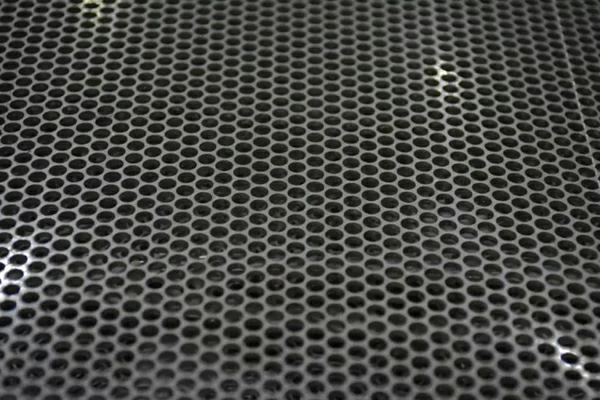
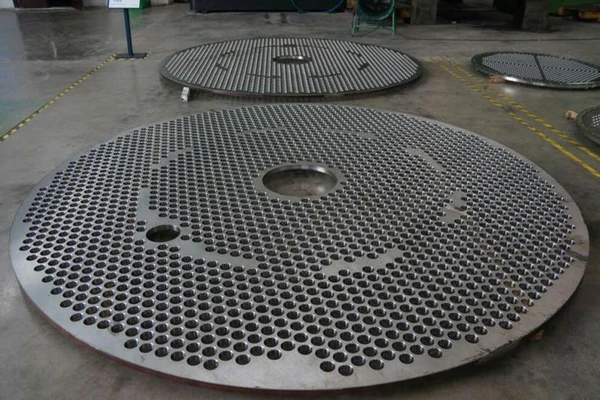
Tube sheets, also known as tube supports or baffle plates, are typically circular or rectangular plates with holes designed to hold and support tubes. These sheets play a crucial role in heat exchangers, boilers, and condensers, providing structural support and directing the flow of fluids through the system.
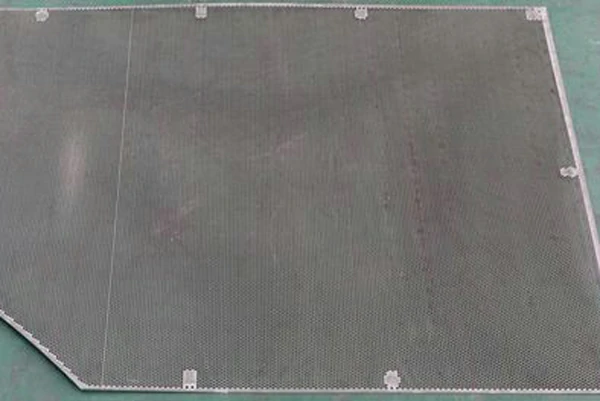
Perforated sheets, often confused with perforated plates, are flat sheets of material with holes or perforations. However, they are typically thinner and less robust than perforated plates. Perforated sheets are commonly used in architectural and decorative applications where aesthetics and airflow are essential factors.
Selecting the appropriate material among perforated plates, tube sheets, and perforated sheets depends on your specific application requirements. Consider factors such as strength, durability, hole pattern, and intended use when making your decision. Contact us can also help ensure that you choose the best material for your project.
Perforated plates, tube sheets, and perforated sheets are versatile materials with distinct properties and applications. Understanding their strengths and weaknesses is crucial when making decisions for your engineering or architectural project. By selecting the right material, you can achieve the desired functionality and aesthetics, ultimately leading to the success of your project.
At Openex, we take immense pride in our role as pioneers in metal fabrication. Our commitment to quality, precision, and innovation has earned us a reputation as a leading force in the industry. Metal fabrication is not merely a trade for us; it's an art form. In this blog, we invite you to explore the intricate world of metal fabrication techniques, showcasing the processes that bring your unique metalwork visions to life through our professional expertise.
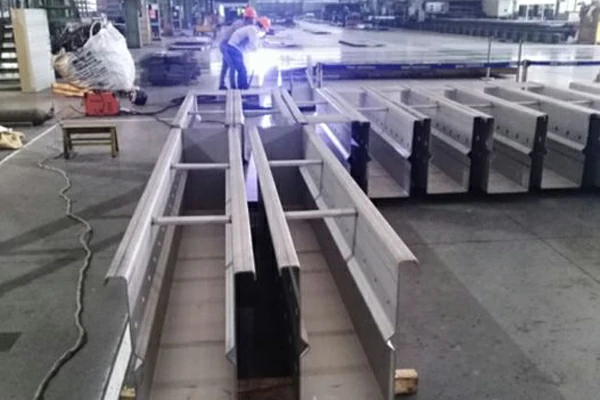
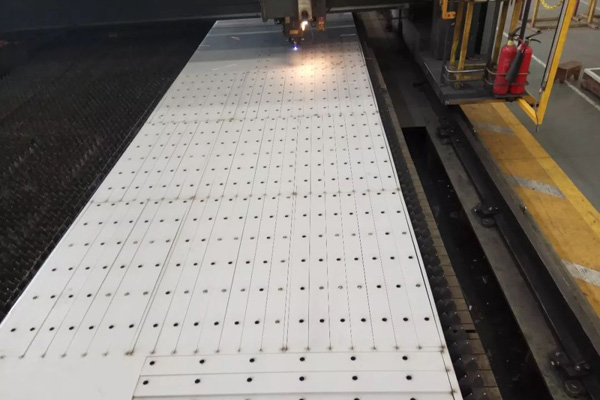
Cutting is the foundational step in our metal fabrication projects, and it sets the stage for the craftsmanship that follows. We employ a range of cutting techniques to ensure precision and excellence:
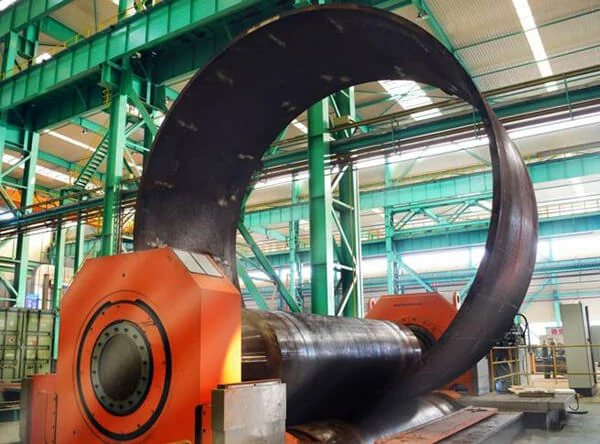
After the precision cuts, we turn our attention to shaping and forming the metal, meticulously crafting your design to perfection:
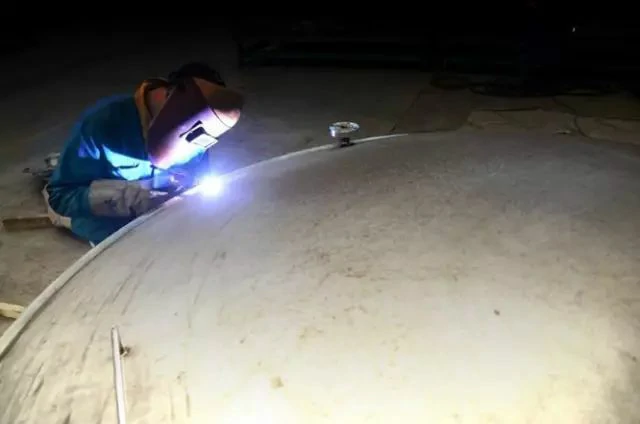
Our commitment to excellence extends to the joining techniques we employ, ensuring that your metal fabrication project is structurally sound and built to last:
Machining is where we refine your metalwork to perfection, ensuring the highest standards of precision and accuracy:
To complete the journey from raw materials to masterful creations, we offer a range of finishing techniques:
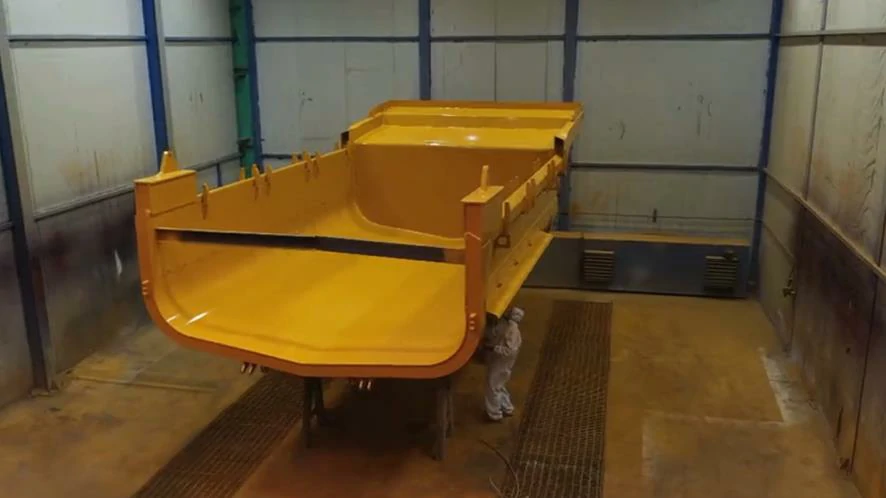
Metal fabrication is a complex and versatile process that can be used to create a wide variety of products. The right technique for a particular project will depend on the specific requirements of the project. By understanding the different metal fabrication techniques, you can choose the best technique for your next project.
I hope this blog post has given you a better understanding of metal fabrication techniques. If you have any questions, please feel free to contact us.
At Openex, we don't just fabricate metal; we craft masterpieces. Our unwavering commitment to excellence in cutting, forming, joining, machining, and finishing techniques defines the artistry of metal fabrication. Whether you're envisioning architectural marvels, industrial solutions, or unique designs, our expertise and dedication ensure that your project is executed to perfection. Partner with us to experience the pinnacle of metal fabrication craftsmanship.
Tube holes may seem like a small component in complex machinery like heat exchangers, boilers, and condensers, but they play a pivotal role in ensuring these systems operate efficiently. This comprehensive guide will explore what tube holes are, why they matter, and how to optimize their design for peak performance.
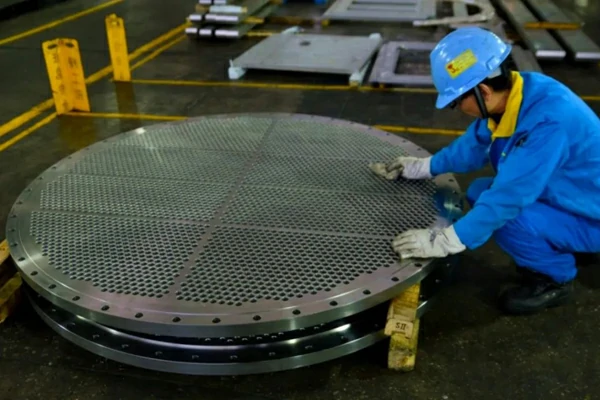
Tube holes are precisely machined openings in a tube sheet or header that accommodate heat exchange tubes. These tubes transport fluids, facilitating heat transfer in various industrial applications. The design and quality of these holes are critical to the overall functionality of the equipment.
To achieve the precision required for tube hole design and drilling, it's crucial to partner with a reputable tube sheet manufacturer. These experts understand the complexities involved in creating tube sheets that meet the highest industry standards. They bring valuable insights and experience to the table, ensuring that your equipment operates flawlessly.
If you're looking to enhance the efficiency, durability, and overall performance of your industrial equipment, it's time to take action. Collaborate with us who can provide you with the expertise and quality craftsmanship needed for your tube sheets. Contact us today to explore how this partnership can transform your equipment's performance, reduce maintenance costs, and increase productivity. Don't leave the heart of your machinery to chance; partner with the experts in tube sheet manufacturing for optimal results.