
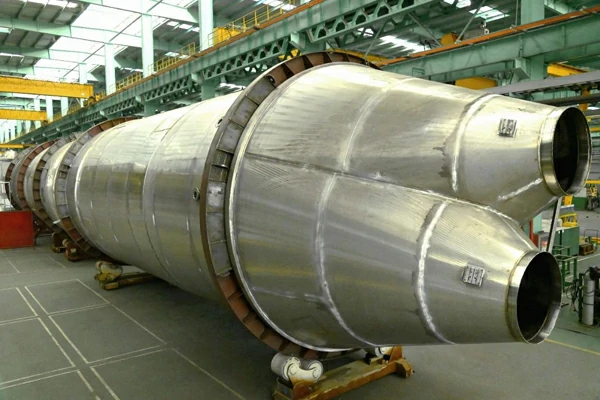
We are excited to announce the impending delivery of the first batch of large stainless steel storage tanks as part of a project catering to the needs of a new energy customer. This venture has been a testament to our commitment to excellence and innovation in the field of metal fabrication.
Project Overview:
This storage tank fabrication project presented unique challenges due to the design featuring a relatively thin cylindrical body and a substantial volume. The key concern was controlling deformation during the intricate manufacturing process, which includes cutting, forming, welding, surface treatment, and more.
Strategic Approach:
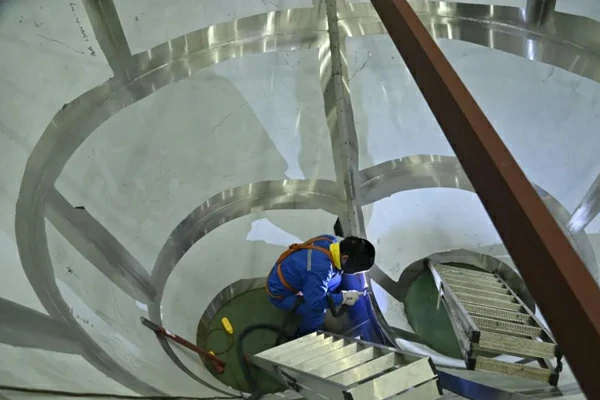
To meet the demands of our new energy customer and expedite the production schedule, we formed a dedicated project team. This team worked diligently to optimize the manufacturing process, ensuring cost-effectiveness for the customer. The collaborative effort resulted in a detailed processing plan that systematically guided each step of production, enhancing efficiency and ensuring seamless progress.
Customer-Centricity and Quality Control:
Throughout the project, our team has unwaveringly adhered to the service philosophy of customer-centricity. We have implemented a stringent quality control system, meticulously supervising every detail to guarantee the highest standards. This commitment to quality has been the cornerstone of our success in delivering a product that not only meets but exceeds customer expectations.
Achievements and Confidence Boost:
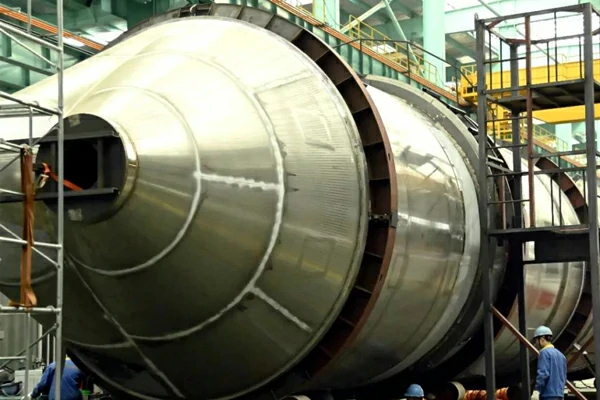
The successful and smooth progress of this initial batch of storage tank projects has significantly boosted our confidence. It serves as a testament to the effectiveness of our one-stop metal fabrication services, showcasing our ability to handle complex projects with precision and expertise.
Future Endeavors:
Looking ahead, we are poised to capitalize on this success by expanding our reach in both domestic and international markets. Our commitment is to continually enhance our service awareness, actively strengthen and refine manufacturing services, and foster mutually beneficial development with our customers.
In conclusion, this project stands as a shining example of our capabilities in overcoming challenges, delivering high-quality products, and fostering collaborative relationships with our valued customers. We remain dedicated to innovation, excellence, and the pursuit of new opportunities in the ever-evolving landscape of metal fabrication.
We invite you to explore the possibilities of partnering with us for your metal processing needs. Whether it's a unique project requirement or a standard manufacturing service, our dedicated team is ready to collaborate, innovate, and deliver excellence. Contact us at sales@openex.com.cn today, and let's embark on a journey of successful and mutually beneficial partnerships.
In response to a recent demand for metal parts required in the fabrication of lithium powder drying equipment, our team undertook the challenge of producing components made from Q235B carbon steel. The intricacies of this project lay not only in the material itself but also in the complex processing requirements, including cutting, tapping, bending, and a stringent demand for precision by the customer.
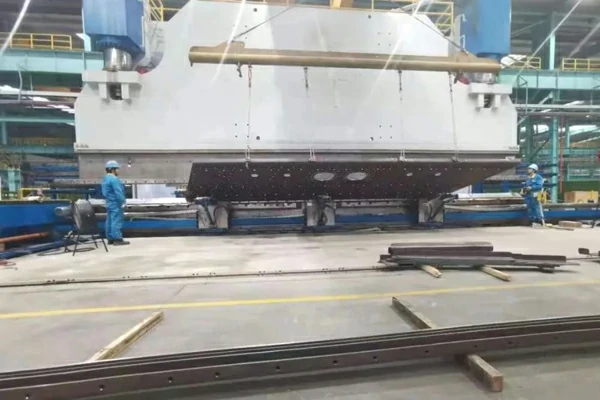
The chosen material, Q235B carbon steel, known for its excellent weldability and formability, posed as a reliable choice for the specific needs of lithium powder drying equipment. The processing involved a multi-step approach, including cutting, tapping, bending, and other precision processes. Each step required meticulous attention to detail to meet the high precision standards set by the customer.
The project was not without its challenges. The customer's exceptionally high precision requirements necessitated a thorough evaluation of our manufacturing processes. The challenges included maintaining precision across various processing methods, optimizing the production timeline, and ensuring minimal material wastage.
To address these challenges, we developed a comprehensive service plan tailored to the unique demands of the project. The service plan encompassed:
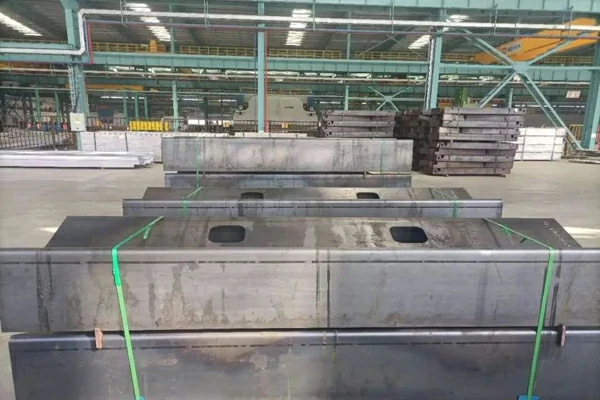
The implementation of the service plan yielded positive results. The metal parts were successfully fabricated, meeting the high precision standards set by the customer. The project was completed within the stipulated timeframe, showcasing not only our commitment to quality but also our efficiency in project management. The customer expressed satisfaction with the final product, praising our dedication to precision, timely delivery, and sustainable manufacturing practices.
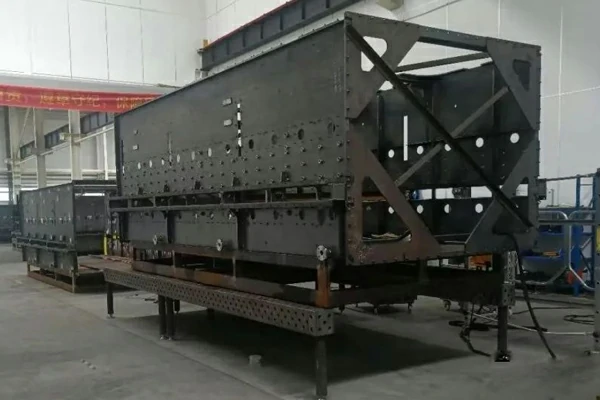
Lithium powder drying equipment plays a crucial role in the production of advanced energy storage systems, particularly in the manufacturing of lithium-ion batteries. This specialized equipment is designed to efficiently remove moisture and enhance the quality of lithium powder, a key component in battery technology. As the demand for high-performance batteries continues to rise, the importance of reliable drying processes becomes increasingly evident.
The lithium powder drying equipment typically consists of several key components:
The quality of lithium powder directly influences the performance and lifespan of lithium-ion batteries. Excess moisture in lithium powder can lead to performance degradation, reduced energy density, and safety concerns. The lithium powder drying equipment addresses these issues by ensuring that the lithium powder meets strict moisture content specifications, resulting in batteries with enhanced efficiency and reliability.
The successful fabrication and delivery of Q235B carbon steel parts for lithium powder drying equipment underscore our commitment to overcoming challenges with innovative solutions. This project exemplifies our capability to tailor service plans to meet the unique demands of each project, ensuring customer satisfaction and establishing our position as a reliable partner in precision manufacturing.
Ready to embark on your next project with us? Whether you have specific precision manufacturing needs or seek a trusted partner for your intricate metal fabrication requirements, we are here to deliver excellence. Contact us today to discuss how our expertise can elevate your project to new heights. Let's transform challenges into opportunities and bring your vision to life through precision engineering.
In a recent venture, Openex, a professional metal fabricator, achieved remarkable success in the fabrication of ducts and other essential steel structure components for a ferronickel project undertaken by a prominent metallurgical equipment company. The project's significance was magnified as the quality of the fabricated products garnered high praise and recognition from the client, showcasing Openex's commitment to excellence in metallurgical fabrication.
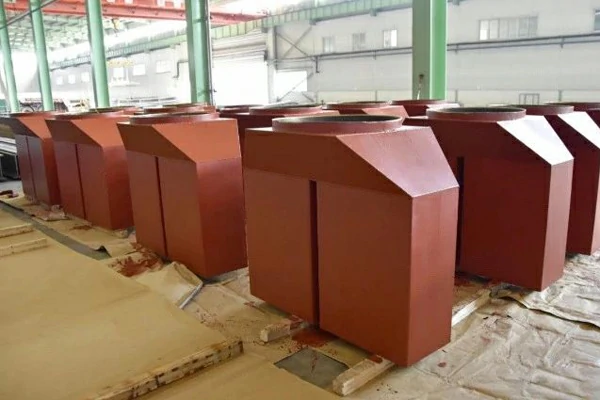
The metal components crafted for this ferronickel project encompassed a variety of structures, prominently featuring ducts and duct supports. The materials utilized included Q355B and Q235B steel with thicknesses ranging from 4mm to 40mm. The fabrication process embraced a series of intricate procedures, such as cutting, edge milling, bending, welding, and painting. Each step was meticulously executed to ensure the final products met stringent quality standards.
The project commenced with a detailed planning phase, where the team at Openex meticulously analyzed the project requirements and devised a comprehensive strategy. Drawing decomposition, process splitting, and welding operations were intricately planned to optimize efficiency and minimize any potential bottlenecks in the production process.
Cutting-edge technology and precision machinery were employed in the fabrication process. The raw materials, Q355B and Q235B steel, were subjected to cutting processes to achieve the specified dimensions. Following this, edge milling and bending operations were carried out with utmost precision to ensure the accurate alignment and structural integrity of the components.
Welding, a critical phase in steel fabrication, was executed with the highest standards of craftsmanship. Openex's skilled welders meticulously joined the steel components, ensuring the structural integrity and durability of the final products. Post-welding, the components underwent a thorough inspection to guarantee they met the required specifications.
The final touch involved the application of protective coatings through a meticulous painting process. This not only enhanced the aesthetic appeal of the components but also served as a crucial layer of defense against corrosion, especially given the nature of the ferronickel environment.
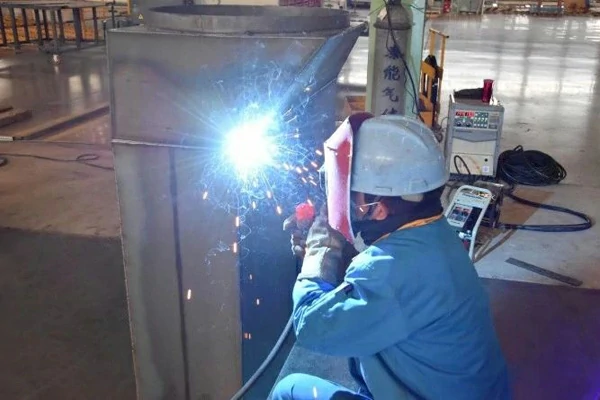
The project unfolded seamlessly, with every aspect of the production process carefully monitored and managed. Drawing on their extensive expertise, the Openex team adeptly decomposed the intricate project drawings, streamlining the subsequent processes. Process splitting, a key strategy in managing complex fabrication projects, was implemented effectively, allowing for parallel execution of tasks without compromising quality.
The welding operation, a pivotal stage in the fabrication process, was carried out with precision and efficiency. Openex's team of experienced welders ensured that every weld joint met industry standards and adhered to the project specifications. This meticulous approach not only contributed to the overall quality of the components but also played a crucial role in completing the production schedule ahead of the planned cycle.
Despite the project's complexity, Openex's commitment to excellence and efficient project management enabled the completion of key components well before the scheduled timeline. This not only showcased the company's prowess in meeting project deadlines but also demonstrated its ability to navigate challenges effectively.
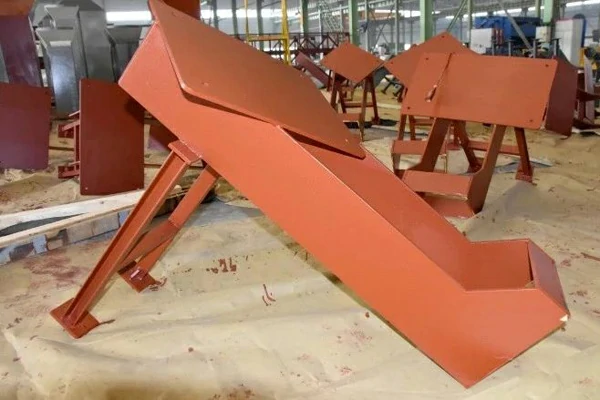
Openex prioritizes quality assurance at every stage of the fabrication process. Rigorous inspections were conducted to ensure that the finished components met the highest industry standards. Before shipping, each batch of finished parts underwent a thorough rust-proofing process to enhance their longevity, especially in the demanding environment of a metallurgical facility.
Customer acceptance tests were successfully conducted, and the products received high praise from the client. The meticulous attention to detail, from fabrication to finishing, was evident in the final products, leading to a seamless acceptance process.
In conclusion, Openex's successful completion of the ducts and steel structure components for the ferronickel project stands as a testament to the company's commitment to excellence, efficiency, and quality. The project showcased Openex's proficiency in managing complex metallurgical fabrication tasks and its ability to exceed customer expectations. As the fabricated components are shipped and integrated into the metallurgical equipment, Openex continues to set the benchmark for excellence in the fabrication industry. The success of this project reinforces Openex's position as a reliable partner for metallurgical ventures, capable of delivering exceptional results with precision and expertise.
As we celebrate the success of this project, we invite you to explore the possibilities of collaboration. Whether you have a metal fabrication project or seek a reliable partner for your manufacturing endeavors, Openex is here to bring your vision to life. Contact us today at sales3@openex.com.cn to discuss how our expertise and commitment to quality can contribute to the success of your next project. Let's build excellence together.
In a recent achievement, our workshop proudly announces the successful fabrication of a batch of stainless steel weldments that not only ensured production efficiency but also marked a significant breakthrough in shaping precision. This accomplishment garnered high recognition from our esteemed customer, highlighting our commitment to delivering top-notch quality in every project.
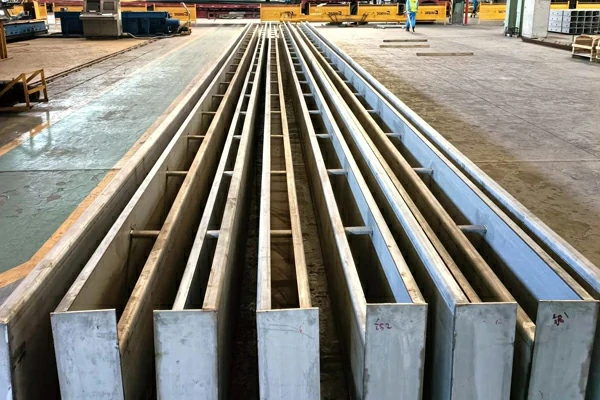
The weldment in question comprises three meticulously bending parts, intricately spliced and welded to form an impressive total length of 24 meters. The customer, discerning in their requirements, placed a premium on the flatness of the final product. This presented a unique challenge as the workpiece, necessitating multiple support rods for welding, experienced considerable deformation post-welding.
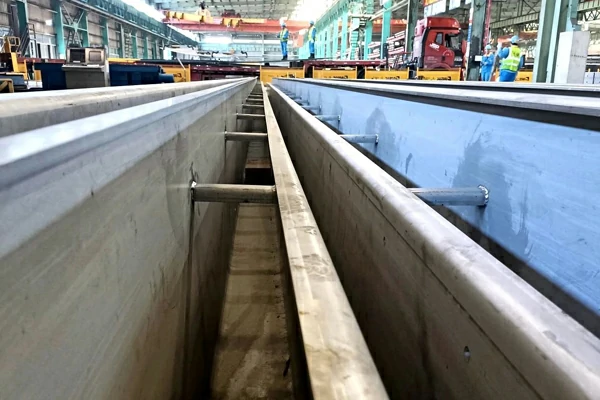
Addressing the issue of post-welding deformation proved to be a complex task for our production department. Traditional methods involving the use of jacks or hammers for calibration were envisioned but proved inefficient and challenging in terms of ensuring precision. The conventional approach added undue pressure to the production timeline, necessitating a more innovative solution.
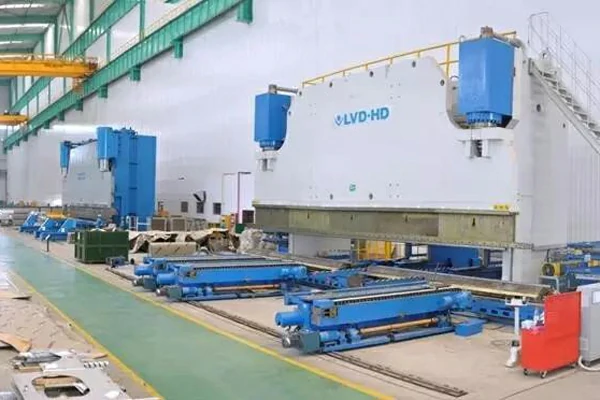
After thorough discussions and brainstorming sessions, a decisive step was taken to employ a 2000T bending machine for calibration. Leveraging the team's wealth of experience in calibrating molded parts, a series of meticulous steps were taken to refine the calibration process. This involved repeated parameter modifications, the creation and testing of numerous samples, and rigorous test confirmations.
The collaborative efforts of our skilled team, combined with the strategic use of the 2000T bending machine, resulted in the successful completion of a batch of high-precision calibrations. The initial workload estimate of one week was astonishingly shortened to a mere two days, showcasing the remarkable efficiency and accuracy achieved through this innovative approach.
This breakthrough in stainless steel welding and precision calibration exemplifies our commitment to overcoming challenges with innovative solutions. By embracing advanced technologies and drawing on our collective expertise, we not only met but exceeded customer expectations. This success story underscores our workshop's dedication to pushing boundaries and setting new standards in the field of metal fabrication.
As a professional metal fabricator, we invite you to experience the difference that our cutting-edge solutions and unwavering commitment to quality can bring to your projects. Whether you have complex welding needs, intricate calibrations, or unique metal fabrication requirements, our skilled team is ready to collaborate and deliver exceptional results. Contact us today at sales3@openex.com.cn to explore how our expertise can elevate your metal fabrication endeavors to new heights. Your success is our priority, and we look forward to being your trusted partner in precision and excellence .
In our metal fabrication workshop, something exciting happened recently. We were given the task of making strong crane arms for big trucks. This was a big deal for us because it showcased our skill in making high-quality metal parts.
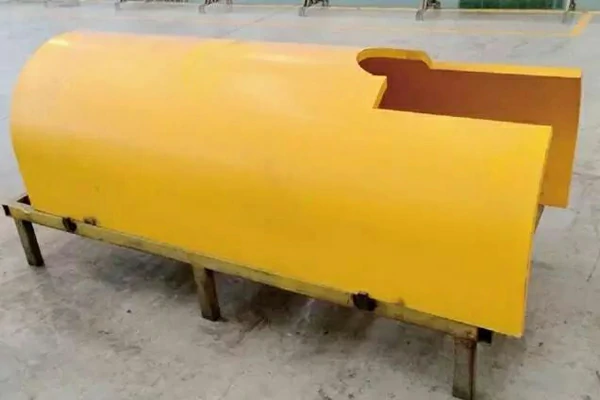
Before this project, our customer checked us out thoroughly. They wanted to make sure we were good at what we do. They looked at our past work, how we control quality, and our fabrication ability to handle similar projects. After all this, they decided to trust us with this important job.
On November 5th, we started making a few crane arms to test our process. We were making them for two types of cranes, one that can carry 35 tons and another that can carry 55 tons. Each type had five upper arms and five lower arms, making a total of 20 sets and over 200 pieces.
The test went really well. The crane arms we made didn't just meet our customer's expectations; they were even better. This showed that our team is dedicated and careful when it comes to making high-quality parts.
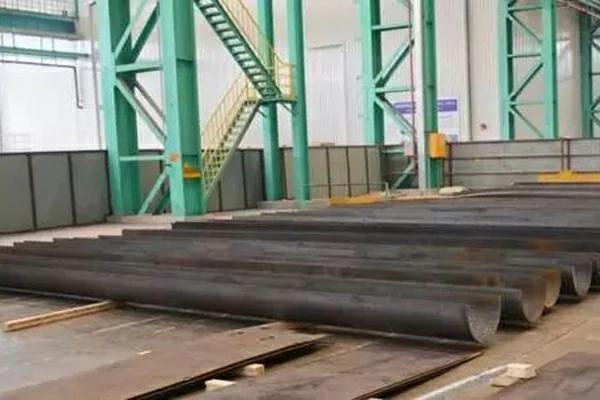
This project had some very strict rules. Our customer wanted the crane arms to be a certain shape, straight, round, and meet other specific requirements. To make sure we got all these details right, we used a powerful machine called a 3000-ton bending forming machine.
This machine can adjust things very precisely. It can correct any bending problems at 26 different points over a length of 15 meters. This helps us make sure all the crane arms have the same angles, and it stops any problems caused by wear and tear on the machine or uneven pressure on the metal.
By using this machine, we made sure that the crane arms fit perfectly. This means they work really well when they are put together, making the trucks safe and efficient.
As we keep working on this project, it's clear that our careful approach will help our customer a lot. The crane arms we are making will not only make the trucks better but will also save our customer money and time.
We're proud to use the best technology and make sure our products are high quality. We believe that our crane arms will become a new standard for the industry, helping trucks work better and safer.
The story of making high-strength steel crane arms for commercial trucks is all about how we care about doing our best work. Our customer trusted us, and we didn't disappoint. We used high-tech machines and followed strict rules to make sure the crane arms are just right.
As we keep making these important parts, we're excited about how they will make trucks work better and be safer. Our dedication to quality and precision shines through in every crane arm we produce. We're looking forward to the positive impact our work will have on the industry and how our crane arms will make commercial trucks safer and more efficient around the world.
If you have metal fabrication needs or are looking for high-quality parts that meet strict standards, we're here to help. Our commitment to precision and innovation is at the core of what we do. Contact us at sales3@openex.com.cn today to discuss your project and experience the difference of working with a dedicated and skilled team. Together, we can bring your ideas to life with excellence and reliability.
In metal fabrication, the pursuit of excellence knows no bounds. Metal fabricators are often tasked with creating intricate components that play a pivotal role in groundbreaking projects. Recently, we had the privilege of being part of an ambitious endeavor - the manufacturing of vacuum chamber for the Fusion Engineering Test Reactor (FETR). This chamber is a crucial element in a large-scale tokamak fusion project, designed to push the boundaries of fusion technology and contribute to addressing the global energy crisis.
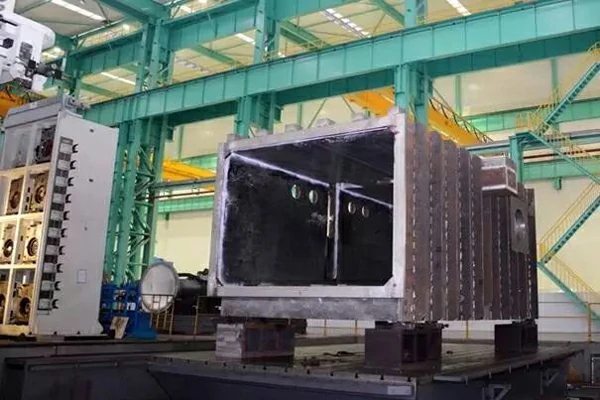
The FETR project is more than just a scientific exploration; it represents the collective aspirations of the international scientific community to conquer the ultimate energy problem facing humanity. This monumental undertaking strives to research key technologies not included in the International Thermonuclear Experimental Reactor (ITER) and bridge the gap between ITER and the future demonstration power station (DEMO). By doing so, it aims to pave the way for harnessing fusion energy, a virtually limitless and environmentally friendly source of power.
At the heart of the FETR project lies the vacuum chamber, a critical component without which nuclear fusion cannot occur. The vacuum chamber serves as the controlled environment for plasma generation, combustion, and maintenance during the fusion reaction. This complex structure is characterized by its substantial size, demanding parameters, heavy load-bearing requirements, and significant exposure to radiation. As a result, constructing a vacuum chamber of this magnitude and complexity requires unwavering dedication and expertise.
The fabrication of the FETR vacuum chamber presented a unique set of challenges. The stringent requirements for construction quality were a top priority. Our team of metal fabricators rose to the occasion, leveraging advanced processing equipment and their extensive experience to ensure the successful completion of this pivotal project. The vacuum chamber had to meet exacting standards in terms of precision, material strength, and radiation resistance to guarantee the safety and efficiency of the fusion reaction.
To meet the high demands of the FETR vacuum chamber, we harnessed the potential of cutting-edge processing equipment. This equipment enabled us to carry out intricate metalwork with unparalleled precision and speed. By pushing the boundaries of our machinery, we ensured that the vacuum chamber could withstand the extreme conditions it would encounter during the fusion process.
Our efforts did not go unnoticed. The vacuum chamber we fabricated was subjected to rigorous inspection by a panel of experts from the FETR project. Their evaluation revealed that our work not only met but exceeded their expectations. The recognition and approval of the expert group serve as a testament to the dedication and expertise of our team in contributing to the advancement of fusion technology.
The successful fabrication and delivery of the FETR vacuum chamber mark a significant milestone in the pursuit of fusion energy. This project is not just a testament to the capabilities of our metal fabricators but also a remarkable stride forward in the quest for a sustainable and virtually limitless energy source. We are honored to have played a part in this groundbreaking endeavor, and we remain committed to pushing the boundaries of what metal fabrication can achieve in the realm of cutting-edge science and technology. As we celebrate this achievement, we eagerly look forward to the brighter, cleaner, and more sustainable energy future that fusion technology promises to deliver.
At Openex, we take immense pride in our extensive experience in the fabrication of vacuum chambers, flanges, components, and vacuum chamber systems. With a rich history that includes the successful fabrication of thousands of vacuum chambers, we have honed our expertise in constructing these intricate structures. Our proficiency extends across various industries, including Flywheel Energy Storage, Solar, Optics, Aerospace, Vacuum Casting, Crystal Growth, Thin Film Deposition, and more.
Whether you require compact vacuum chambers or large, heavy-duty metal fabrication, we are equipped to meet your project needs. Our commitment to precision and excellence ensures that your vision becomes a reality. Partner with Openex to harness our expertise and cutting-edge equipment for your next venture in metal fabrication. Together, we can embark on a journey towards groundbreaking achievements and a sustainable future powered by fusion technology. Contact us at yuki.zhou@openex.com.cn today to discuss your project requirements and explore the possibilities of collaboration.
In the realm of scientific exploration, the Continuous Scattering Neutron Source (CSNS) stands as a beacon of innovation, delving into the intricacies of neutron properties to unravel the mysteries of microstructure and motion of matter. The Small Angle Scattering Spectrometer (SANS), a pivotal component of the CSNS, plays a crucial role in advancing disciplines such as physics, chemistry, material science, nanoscience, and beyond. Our recent contribution to this groundbreaking project involves the precision machining of the vacuum chamber within the scattering cavity, a task undertaken with unwavering dedication to scientific excellence.
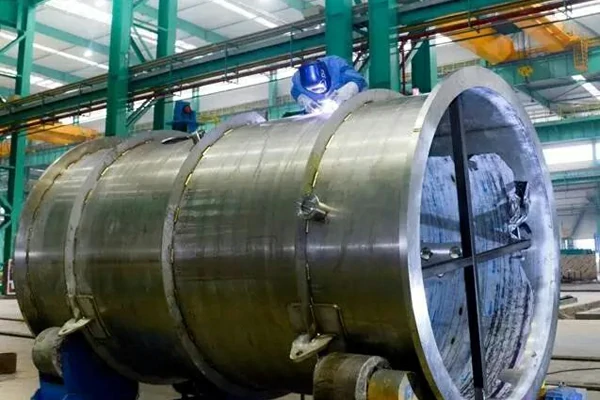
The CSNS-SANS experiment holds promise for a multitude of high-tech research and development fields, spanning national energy, environmental science, biology, and new materials. The significance of this experiment lies in its ability to pave the way for groundbreaking discoveries and technological advancements that will shape the future of multiple scientific disciplines.
The Small Angle Scattering Spectrometer comprises various intricate components, including the scattering cavity, head, guide assembly, and more. Our recent endeavor focused on the machining of the vacuum cavity within the scattering cavity, a task requiring the highest levels of precision to meet the stringent demands of scientific research.
To achieve the unparalleled machining accuracy demanded by the CSNS-SANS project, we employed cutting-edge technology in the form of the Innse 280 floor boring and milling machining center. This high-precision tool allowed us to navigate the intricate details of the vacuum cavity, ensuring that every cut and mill adhered to the exact specifications required for scientific precision.
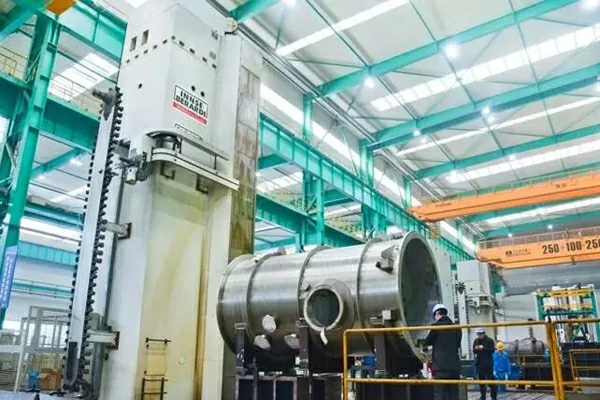
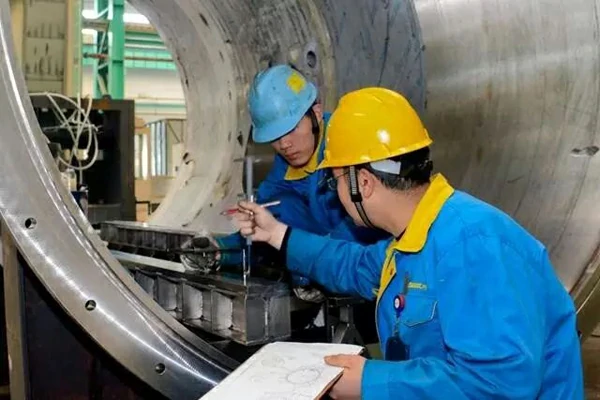
Maintaining a vigilant eye on quality, we implemented rigorous monitoring procedures throughout the machining process. Our commitment to precision extended beyond the final product, with special emphasis on the precision machining process itself. This dedication to quality control culminated in the recognition of our product's superior quality by the resident engineer overseeing the CSNS-SANS project.
As we celebrate this achievement in advancing scientific discovery, we invite fellow researchers, engineers, and organizations to collaborate on future projects that push the boundaries of what is possible. Together, we can continue to contribute to the growth of knowledge and the development of technologies that shape our world. Join us on this journey towards scientific excellence, where precision meets innovation, and where each contribution plays a vital role in unlocking the secrets of the universe.
Heavy machining is a crucial aspect of various industries, from manufacturing and aerospace to construction and automotive. It involves the removal of substantial amounts of material to shape large and complex components. Selecting the right metal for heavy machining is essential to ensure the desired strength, durability, and machinability of the final product. In this comprehensive guide, we will explore the common metals used for heavy machining and the various forms in which they are available. By the end of this article, you will have a solid understanding of the materials that are the backbone of heavy machining.
Let's embark on a journey through the world of heavy machining and the metals that make it possible.
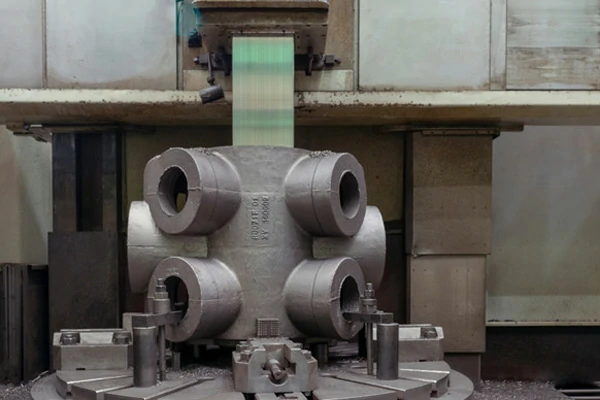
Heavy machining plays a pivotal role in the production of large, complex components used in various industries. It encompasses processes such as milling, turning, drilling, and grinding to remove substantial amounts of material and create intricate shapes. Heavy machining is utilized in applications ranging from manufacturing industrial machinery to shaping aerospace components and constructing critical infrastructure.
The choice of metal for heavy machining depends on the specific application, as different materials offer distinct properties that cater to various needs. Whether it's the strength required for structural components or the corrosion resistance essential in harsh environments, selecting the right metal is paramount.
Forms: Cast iron is often used in heavy machining and can be found in forms like cast iron bars, blocks, and castings.
Types: Common types of cast iron include gray cast iron and ductile iron. Gray cast iron is known for its excellent damping properties, making it suitable for applications like machine beds and engine blocks. Ductile iron offers improved tensile strength and toughness.
Forms: Steel for heavy machining can be found in various forms, including steel bars, large steel plates, and forged steel components.
Types: Different types of steel are used based on the specific application. Carbon steel and alloy steel are often selected for their strength and machinability.
Forms: Alloy steel for heavy machining can be found in forms like large steel plates, billets, and forgings.
Types: Alloy steels are tailored to provide specific properties, such as increased strength, wear resistance, and heat resistance. Common examples include 4140, 4340, and 8620 alloy steels.
Forms: Stainless steel used in heavy machining can be found in forms like large stainless steel plates, bars, and forgings.
Types: Stainless steel is known for its corrosion resistance and durability. Common grades include 304, 316, and 17-4 PH, among others.
Forms: Nickel-based alloys are used in heavy machining and can be found in forms like large nickel alloy bars, forgings, and plates.
Types: Alloys like Inconel, Hastelloy, and Monel are chosen for their high-temperature resistance and corrosion resistance. They are often used in demanding applications such as aerospace and petrochemical industries.
Forms: Titanium used in heavy machining is typically in the form of large titanium plates, bars, and forgings.
Types: Titanium is known for its high strength-to-weight ratio and corrosion resistance. It is often used in aerospace and military applications.
Forms: Copper and its alloys used for heavy machining can be found in the form of large copper bars, copper plates, and castings.
Types: Copper, bronze, and brass are known for their excellent electrical conductivity, corrosion resistance, and machinability.
Forms: Brass is used for heavy machining and is often found in the form of large brass bars, plates, and castings.
Types: Brass is valued for its corrosion resistance and distinctive appearance.
The form in which a metal is available significantly impacts its utility in heavy machining. Here are some common forms of metals used for heavy machining:
Large plates are one of the primary forms used in heavy machining. They provide a substantial volume of material and are often employed for applications where structural integrity and surface area are essential. Metals like steel, stainless steel, and aluminum are commonly available in the form of large plates. These plates can be cut and machined into various shapes and sizes as needed.
Bars are another common form of metal used in heavy machining. Metal bars come in various dimensions, including round, square, and rectangular shapes. They are often used for creating shafts, axles, and other components that require strength and stability. Steel, alloy steel, and brass are frequently found in the form of bars.
Forgings are metal components that have been shaped through a forging process, which involves applying pressure and heat to mold the material into the desired shape. Forgings are known for their superior strength and durability, making them suitable for heavy machining applications where structural integrity is crucial. Forged components are often used in the aerospace, automotive, and construction industries. Metals like steel, alloy steel, and nickel-based alloys are commonly available in the form of forgings.
Castings are metal parts that are created by pouring molten metal into a mold and allowing it to solidify. They come in various shapes and sizes, making them versatile for heavy machining applications. Castings can be used for producing large, intricate components like engine blocks, turbine housings, and pump casings. Cast iron, nickel-based alloys, and various other metals are available in the form of castings.
The choice of form depends on the specific requirements of the machining project, the size of the component, and the manufacturing processes involved. For instance, large plates, bars, and forgings are suitable for applications where the final product needs to be structurally sound and have specific dimensions. Castings, on the other hand, offer versatility in shape and are ideal for components with complex geometries.
Selecting the right metal for heavy machining is a critical decision that impacts the success of a project. Several factors should be taken into account to make an informed choice:
The material properties of the chosen metal are of paramount importance. Different applications may require specific properties, such as:
Understanding the specific requirements of the application is vital in choosing the right metal. Consider factors such as:
The ease with which a metal can be machined is a significant consideration for heavy machining. Machinability is influenced by factors such as:
Cost is a practical consideration in any machining project. The cost of the metal itself, as well as the associated machining and tooling costs, can significantly impact the overall budget. It's essential to strike a balance between material quality and project affordability.
To achieve successful heavy machining outcomes, it's important to follow best practices throughout the process:
In the world of heavy machining, the choice of metal and its form is a crucial decision that can significantly impact the outcome of a project. Different metals, such as cast iron, steel, alloy steel, stainless steel, nickel-based alloys, titanium, copper, and brass, offer a wide range of properties and characteristics that cater to diverse applications.
Additionally, understanding the form in which these metals are available, such as large plates, bars, forgings, and castings, allows manufacturers to tailor their selection to the requirements of the specific project.
Ultimately, successful heavy machining relies on a combination of material knowledge, careful consideration of application requirements, adherence to best practices, and the skill of experienced operators. By making informed choices and following industry best practices, heavy machining projects can achieve precision, quality, and efficiency while meeting the demands of various industries and applications.
For more information about the metals for heavy machining or metal fabrication, feel free to contact us at yuki.zhou@openex.com.cn
Sheet metal is a versatile material used in various industries for manufacturing a wide range of products. From automotive parts to appliances and electronics, sheet metal assemblies play a crucial role in the production of countless items. However, for beginners looking to understand the art of industrial sheet metal assemblies, it can be quite daunting. In this comprehensive guide, we will demystify the world of industrial sheet metal assemblies, breaking down the fundamental concepts, processes, and best practices to help beginners get started and gain a deeper appreciation for this important field.
Sheet Metal Materials
2.1. Common Sheet Metal Alloys
2.2. Gauge and Thickness
Tools and Equipment
3.1. Hand Tools
3.2. Power Tools
3.3. Sheet Metal Machinery
Cutting and Shearing
4.1. Manual Cutting
4.2. Laser Cutting
4.3. Water Jet Cutting
Bending and Forming
5.1. Press Brakes
5.2. Roll Bending
5.3. Stretch Forming
Joining and Fastening
6.1. Welding
6.2. Riveting
6.3. Adhesives and Fasteners
Design Considerations
7.1. Tolerances and Allowances
7.2. Design for Assembly (DFA)
7.3. Cost Optimization
Finishing and Coating
8.1. Surface Finishes
8.2. Powder Coating
8.3. Anodizing
Quality Control
9.1. Inspection and Testing
9.2. Quality Standards
9.3. Defects and Remedies
Case Studies
10.1. Automotive Industry
10.2. Aerospace Industry
10.3. Electronics Industry
Future Trends
11.1. Industry 4.0 and Automation
11.2. Sustainability
11.3. Advanced Materials
Sheet metal is a flat, thin, and highly versatile material made from metal alloys or steel that is used in a wide range of industrial applications. It can be found in various thicknesses, making it suitable for both structural and decorative purposes. Sheet metal can be easily cut, bent, and formed to create complex shapes and structures, making it an essential component in various industries.
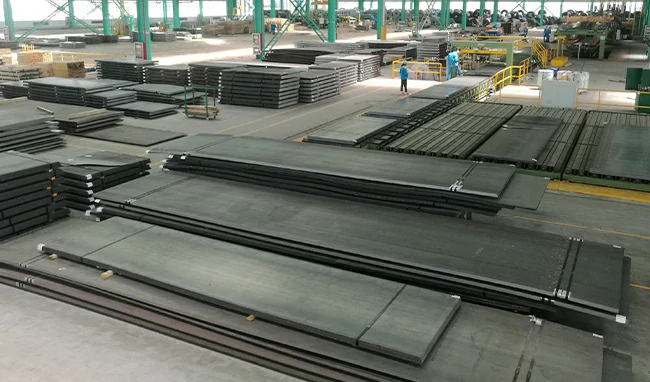
Sheet metal comes in a variety of materials, each with its unique properties. Common types of sheet metal materials include:
Understanding sheet metal materials is crucial for beginners. The choice of material impacts the final product's characteristics, such as strength, weight, and corrosion resistance.
Sheet metal thickness is typically measured in gauge, with lower gauge numbers indicating thicker sheets. Common gauges range from 8 to 30, with 8 gauge being quite thick and 30 gauge extremely thin. Understanding the appropriate gauge for your project is essential to ensure structural integrity and cost-effectiveness.
Sheet metal fabrication requires a range of tools and equipment, from basic hand tools to specialized machinery.
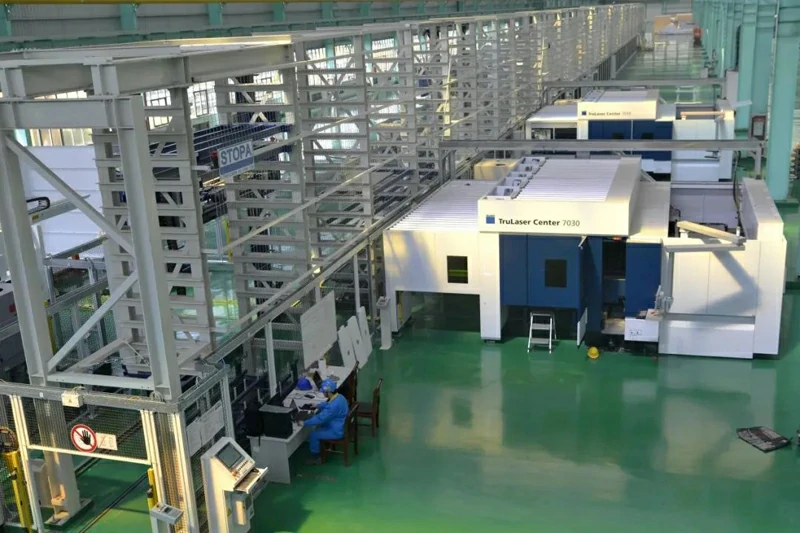
Cutting and shearing are fundamental processes in sheet metal fabrication. The choice of cutting method depends on the project's requirements and the available tools and machinery.
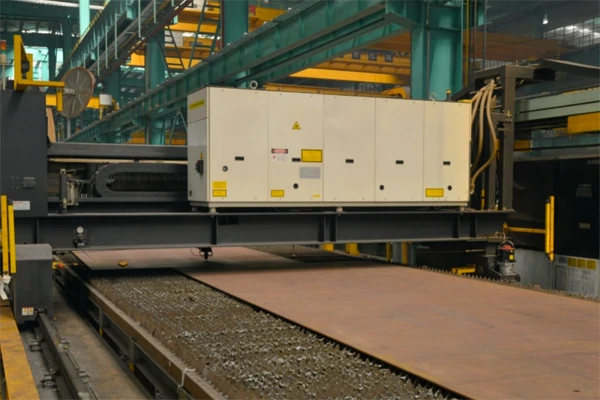
Manual cutting methods include using tin snips, electric shears, and nibblers. These are suitable for small-scale projects and intricate shapes. For straight-line cuts, shears and snips are commonly used, while nibblers excel at cutting curves and irregular shapes.
Laser cutting is a highly precise and efficient method of cutting sheet metal. It utilizes a high-energy laser beam focused on the material to make clean and accurate cuts. Laser cutting is favored for its ability to cut complex shapes with minimal heat-affected zones, reducing the risk of warping or deformation. It's commonly used in industries like aerospace, automotive, and electronics where precision is critical.
Please visit laser cutting service page for more information about our laser-cutting capabilities.
Water jet cutting is another method for precisely cutting sheet metal. It uses a high-pressure stream of water mixed with abrasive particles to cut through the material. Water jet cutting is versatile and can cut through a wide range of materials, including metals, plastics, and composites. It's particularly useful for materials that may be sensitive to heat, as there is minimal heat transfer during the cutting process.
Our water jet cutting capability please click water jet cutting.
Bending and forming sheet metal is essential for creating three-dimensional structures. The primary methods for shaping sheet metal include press brakes, roll bending, and stretch forming.
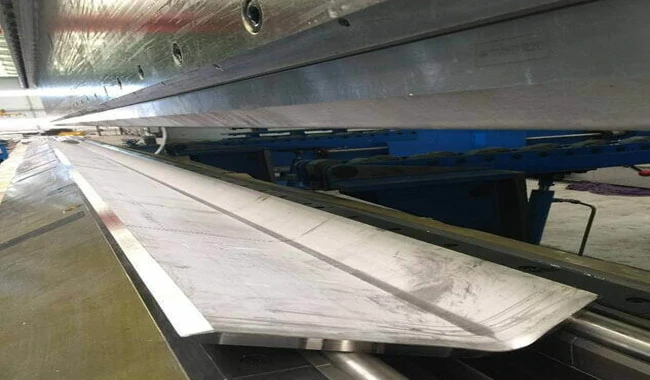
Press brakes are machines designed to bend and shape sheet metal into precise angles and curves. They consist of a top tool (punch) and a bottom tool (die), between which the sheet metal is placed. By adjusting the position of the punch and die and applying controlled force, press brakes can create a wide variety of bends and shapes. This process is commonly used in the manufacture of components for cabinets, enclosures, and structural parts.
More about our press braking capability.
Roll bending machines, also known as plate rolls, are used to create cylindrical or conical shapes by passing the sheet metal between three rollers. The upper roller and two lower rollers are adjusted to form the desired curve. Roll bending is often used in industries like HVAC (Heating, Ventilation, and Air Conditioning) to make cylindrical ducts and tanks.
More about our roll bending capability.
Stretch forming is a specialized technique used for creating complex, contoured shapes in sheet metal. The sheet is clamped around its edges and stretched over a form using hydraulic or mechanical force. This method is used in industries such as aerospace and automotive for producing parts with aerodynamic or intricate shapes.
Assembling sheet metal components often involves joining and fastening methods to create a structurally sound and reliable final product. Common techniques include welding, riveting, and the use of adhesives and fasteners.
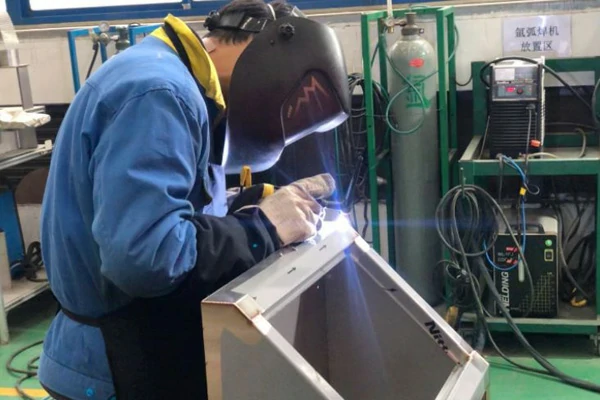
Welding is a widely used method for permanently joining sheet metal components. Various welding processes can be employed, such as MIG (Metal Inert Gas) welding, TIG (Tungsten Inert Gas) welding, and spot welding. The choice of welding method depends on the specific application and the type of sheet metal being used. Welding is commonly used in the automotive, construction, and manufacturing industries.
More about our welding capability.
Riveting involves joining two or more pieces of sheet metal by driving a rivet through holes in the metal and then deforming the end of the rivet to secure the components together. Rivets provide a strong and reliable connection and are frequently used in aerospace and construction.
Adhesives and fasteners can also be used to join sheet metal components. Adhesive bonding is suitable for lightweight, non-structural applications and can provide a clean and aesthetically pleasing finish. Fasteners like screws and bolts are used in situations where components need to be disassembled for maintenance or repair.
Effective sheet metal assembly design is critical to achieving a successful and cost-efficient end product. Design considerations encompass tolerances and allowances, design for assembly (DFA) principles, and cost optimization.
Understanding tolerances and allowances is crucial for ensuring that components fit together correctly. Tolerances specify the allowable variation in dimensions, while allowances account for variations in the manufacturing process. It's important to strike a balance between tight tolerances for precise fitment and allowances that allow for practical manufacturing.
Design for Assembly is a set of principles aimed at simplifying the assembly process and reducing production costs. It involves designing components that are easy to handle, align, and connect. Some DFA principles include minimizing the number of components, using self-locating and self-fastening features, and designing for ease of access during assembly.
Cost optimization in sheet metal assemblies involves finding the right balance between material costs, manufacturing processes, and labor expenses. This includes selecting the most cost-effective materials, minimizing waste, and streamlining production methods. Design choices that can affect cost optimization include nesting parts efficiently to reduce material waste and selecting manufacturing methods that minimize labor and machine time.
The appearance and performance of sheet metal assemblies can be significantly enhanced through finishing processes and coatings.
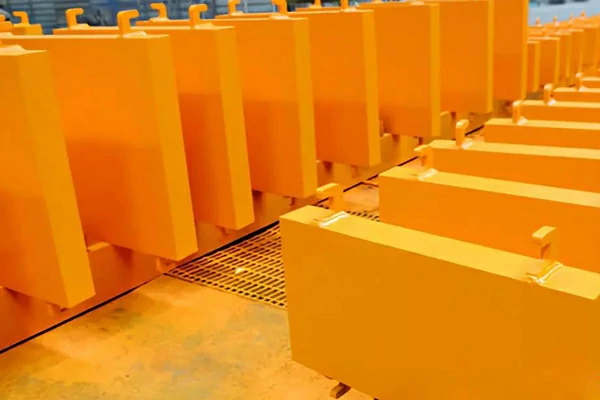
Surface finishes are applied to sheet metal components to improve their appearance, durability, and corrosion resistance. Common surface finishes include brushing, polishing, and grinding, which can provide a smooth and reflective surface. In addition to aesthetics, surface finishes can also improve paint adhesion and reduce the risk of corrosion.
Powder coating is a popular method for applying a durable and attractive finish to sheet metal components. In this process, a dry powder is electrostatically applied to the metal surface, and then the coated component is heated to allow the powder to melt and form a smooth and protective layer. Powder coating is environmentally friendly, offers a wide range of color options, and is resistant to chipping and scratching.
Anodizing is a surface treatment primarily used for aluminum sheet metal. It involves immersing the metal in an electrolyte bath and applying an electric current to create a controlled oxidation layer on the surface. Anodizing provides corrosion resistance, enhances surface hardness, and offers decorative color options.
Quality control is a critical aspect of sheet metal assembly to ensure that the final product meets industry standards and customer expectations. To know how we control the quality of our metal parts visit Quality Assurance.
Regular inspection and testing of sheet metal components during and after the assembly process help identify defects and deviations. Non-destructive testing methods, such as ultrasonic testing and visual inspection, are commonly used to assess the integrity of welds and joints. Quality control practices also include measuring critical dimensions and checking for surface imperfections.
Adhering to industry-specific quality standards and certifications is essential for ensuring the reliability and safety of sheet metal assemblies. Depending on the industry, these standards may include ISO 9001 for general quality management, AS9100 for aerospace, or ISO/TS 16949 for the automotive industry.
Sheet metal assemblies may be susceptible to various defects, such as porosity in welds, cracks, and surface imperfections. Identifying defects early in the manufacturing process is crucial. Remedies may include rework, repairing the defect, or in some cases, scrapping and starting over to maintain quality and safety standards.
To further illustrate the importance and versatility of sheet metal assemblies, let's explore a few case studies from different industries.
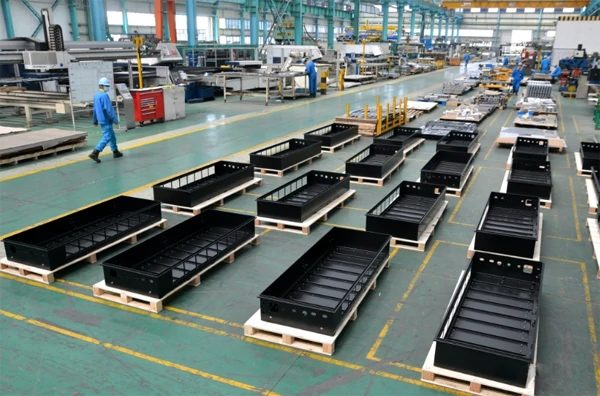
Sheet metal assemblies are integral to the automotive industry. They are used to manufacture vehicle body panels, chassis components, and a variety of interior and exterior parts. Automotive manufacturers use advanced assembly techniques to meet stringent safety and performance requirements while keeping production costs in check. The utilization of high-strength steels, precision welding, and advanced paint and coating technologies help produce vehicles that are both safe and aesthetically appealing. Sheet metal assemblies also play a role in lightweighting initiatives, contributing to improved fuel efficiency and reduced emissions.
The aerospace industry relies on sheet metal assemblies for building aircraft structures, from fuselages to wings and engine components. Precision and reliability are paramount in aerospace applications, as safety is the top priority. Advanced materials like titanium and aluminum alloys are used, and components are often subjected to stringent quality control processes, including non-destructive testing for critical welds and joints. The aerospace industry also focuses on reducing weight and improving aerodynamics through innovative sheet metal design and assembly methods.
In the electronics industry, sheet metal assemblies are used to create enclosures and chassis for electronic devices, such as computer servers, telecommunications equipment, and consumer electronics. Sheet metal is valued for its ability to shield against electromagnetic interference (EMI) and protect delicate electronic components from external influences. Precision manufacturing, including laser cutting and CNC (Computer Numerical Control) machining, is crucial to ensure that electronic devices are not only functional but also compact and visually appealing.
For more cases, please visit our Industries Served page.
The world of industrial sheet metal assemblies is constantly evolving. To stay ahead of the curve, it's essential to be aware of emerging trends and technologies that are shaping the industry's future.
The advent of Industry 4.0, characterized by the integration of digital technologies and the Internet of Things (IoT), is transforming sheet metal assembly processes. Automation, robotics, and smart manufacturing systems are becoming more prevalent, improving efficiency and reducing the risk of errors. These technologies enable real-time monitoring and data analysis, helping manufacturers optimize production and minimize waste.
Sustainability is a growing concern in the sheet metal industry. Manufacturers are increasingly adopting eco-friendly practices, such as recycling scrap metal and reducing energy consumption. Lightweight materials and designs that improve fuel efficiency in transportation industries contribute to sustainability efforts. Additionally, environmentally friendly surface treatments and coatings are being developed to reduce the environmental impact of sheet metal assembly processes.
The development of advanced materials, including high-strength alloys and composites, is driving innovation in sheet metal assembly. These materials offer improved strength-to-weight ratios and corrosion resistance, making them valuable in industries where performance and durability are critical. As advanced materials become more accessible, they will continue to shape the design and manufacturing of sheet metal components.
Industrial sheet metal assemblies are a fundamental part of modern manufacturing across a wide range of industries. For beginners looking to understand this complex and versatile field, it's essential to grasp the basics of sheet metal materials, tools, and fabrication processes. Cutting, bending, joining, and finishing methods all play vital roles in shaping sheet metal into functional and aesthetically pleasing components.
Effective design, quality control, and adherence to industry standards are key to producing safe and reliable sheet metal assemblies. Case studies across the automotive, aerospace, and electronics industries highlight the significance of sheet metal in diverse applications. Furthermore, the future of sheet metal assemblies is marked by technological advancements, including Industry 4.0 integration, sustainability practices, and the development of advanced materials.
As you continue to explore the world of industrial sheet metal assemblies, remember that the key to success lies in a strong foundation of knowledge, an understanding of best practices, and a commitment to quality and innovation. Whether you're a beginner or an experienced professional, the world of sheet metal assembly offers endless opportunities for creativity and advancement in manufacturing.
Metal fabrication is an essential process in various industries, and the quality and durability of the finished parts often depend on the surfacing treatments applied. These treatments not only enhance the aesthetic appeal of the metal parts but also improve their resistance to corrosion, wear, and other forms of damage. In this blog, we will delve into the fascinating world of surfacing treatments for metal fabrication parts, exploring a range of techniques and their applications.
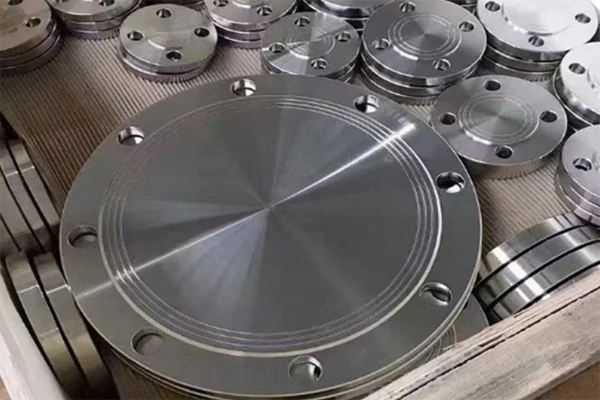
Electroplating is a popular surfacing treatment that involves depositing a layer of metal onto a substrate using an electrolytic process. Common metals used for electroplating include chromium, nickel, and zinc. This treatment offers several benefits, such as corrosion resistance, improved appearance, and enhanced electrical conductivity.
Applications:
Powder coating is a dry finishing process that involves applying a free-flowing, dry powder to a metal surface. The coated part is then cured using heat, allowing the powder to melt and form a hard, durable finish. This technique offers an array of colors and textures and is known for its environmental friendliness, as it generates minimal waste.
Applications:
Anodizing is an electrochemical process that converts the surface of aluminum into a durable, corrosion-resistant, and decorative finish. It involves immersing the aluminum part in an electrolyte solution and applying an electrical current. The resulting oxide layer can be dyed to achieve various colors.
Applications:
Thermal spray coating is a versatile surfacing treatment that involves spraying a wide range of materials, such as metals, ceramics, and polymers, onto a metal surface. The sprayed particles adhere to the substrate, creating a protective and wear-resistant layer.
Applications:
Passivation is a chemical process used to remove free iron from the surface of stainless steel, creating a passive film that enhances the metal's corrosion resistance. This treatment is crucial for maintaining the longevity and appearance of stainless steel parts.
Applications:
Galvanization is the process of applying a layer of zinc to the surface of steel or iron to protect it from corrosion. There are two primary methods: hot-dip galvanizing and electro-galvanizing, each suited to specific applications.
Applications:
Metal polishing is a finishing process that enhances the appearance of metal surfaces by removing imperfections and creating a smooth, shiny finish. Various techniques, including abrasive polishing and chemical polishing, can be used to achieve different levels of gloss and smoothness.
Applications:
Surfacing treatments for metal fabrication parts play a vital role in enhancing their durability, appearance, and functionality. The choice of treatment depends on the specific requirements of the part and the intended application. By understanding the various surfacing options available, manufacturers can ensure that their metal fabrication parts meet the highest standards of quality and performance. Whether you're looking for corrosion resistance, improved aesthetics, or enhanced wear resistance, there is a surfacing treatment that can meet your needs.