
FABTECH 2025 has the North American manufacturing industry excited, as September 8-11 marks its debut. At Chicago's McCormick Place, FABTECH will become an epicenter of industrial innovation, showcasing metal forming, fabricating, welding, and finishing technologies - something no other trade show or event offers. More than just an exhibition space or trade show event, FABTECH provides an accurate snapshot of an industry facing technological disruptions, supply chain restructuring, and changing workforce demands.
As thousands of industry leaders, engineers, and innovators stroll the miles of aisles at this event, they will witness the future of manufacturing unfold. But robotics and sophisticated software only account for part of its success equation. Manufacturers provide essential expertise, translating complex designs into robust industrial realities. Premier contract manufacturers like Openex provide essential foundational strength in metal fabrication services such as Welding Fabrication, Metal Cold Forming, and Heavy Machining for modern industry.
FABTECH is the definitive annual gathering for professionals who are serious about the future of their operations. It’s a dynamic ecosystem where a global contingent of suppliers and decision-makers connect to find solutions that enhance productivity, ensure quality, and drive profitability. For 2025, the exhibits and educational sessions will be laser-focused on several transformative trends that are reshaping the manufacturing landscape.

As we look toward the 2025 event, several key trends are expected to dominate the conversation, shaping the equipment and strategies on display. Understanding these trends is crucial for any OEM or engineering firm looking to maintain a competitive edge.
Automation and Robotics: FABTECH will showcase automation systems designed to increase efficiency and precision, such as robotic welding cells that offer enhanced consistency, higher speeds, and increased safety. At FABTECH, you will witness systems not only capable of fulfilling their intended function but also easy to program into existing workflows - making automation accessible even for complex or low-volume custom projects.
Digital Transformation (Industry 4.0): The concept of the "smart factory" is becoming a reality. This involves the use of sensors, data analytics, and cloud computing to monitor and optimize every stage of the fabrication process. Look for software solutions that enhance traceability, improve quality control through real-time monitoring, and enable predictive maintenance on critical machinery. This digital thread ensures that project specifications are met with unparalleled accuracy.
Advanced Materials and Processes: Industrial fabrication continues to shift towards advanced alloys and composites that offer greater strength-to-weight ratios, corrosion resistance, and performance under extreme conditions. At FABTECH 2025, you will witness cutting-edge welding and machining techniques required for working effectively with these challenging materials.
Supply Chain Resilience: Recent global disruptions have underscored the importance of robust and reliable supply chains. There is a growing preference for contract manufacturing partners who can provide comprehensive, one-stop services. Companies that offer a full suite of capabilities — from fabrication and machining to finishing and assembly — are becoming invaluable strategic assets.
While FABTECH showcases the tools of tomorrow, it is the expertise of companies like Openex that anchors this innovation in the real world. For over two decades, Openex has built an impeccable reputation as a full-service, one-stop-shop contract manufacturer. They are the trusted partner in fields such as engineering, energy, and mining, etc. They specialize in the projects that form the true backbone of industry: large& heavy pre-fab steel structures, key metal components combining the technology of forging and machining.
Operating on a core principle of delivering the highest levels of quality and service, Openex acts as the crucial link between design and reality. With state-of-the-art equipment and a deeply experienced team, they seamlessly guide projects from the prototype stage to full-scale production, delivering on time and to the exacting quality standards their clients expect.

In a market that prizes reliability above all, Openex’s core strengths directly address the industry’s most pressing needs. Their "one-stop-shop" model is a powerful answer to the call for more resilient supply chains. By offering a complete suite of services—including large machining, cutting, welding, rolling, punching, braking, testing, painting, and installation—they provide clients with a single, accountable partner. This integrated approach streamlines project management, ensures consistent quality control, and simplifies logistics.
Furthermore, in an era of workforce challenges, the Openex team is a defining advantage. Their roster of highly skilled and experienced project managers, fitters, welders, machinists, and quality assurance personnel represents a deep well of irreplaceable knowledge. This human expertise is critical, especially when executing complex, large-scale fabrications where precision and craftsmanship determine the success of the final product.
The true measure of Openex's capabilities is seen in the demanding sectors it serves. They don't just supply parts and components; they manufacture the foundational equipment and safety products that are critical to their clients' operations.

As the industry looks ahead from FABTECH 2025, the ultimate takeaway is clear: the path forward requires a dual commitment to embracing new technology and cultivating partnerships with proven, expert manufacturers. While the event in Chicago will showcase the tools that will shape the future, it is the unwavering quality and comprehensive capability of companies like Openex that will continue to build its strong foundation.
Contact us now to discover how Openex can deliver precision-engineered solutions for your most demanding projects.
In metal fabrication, precision is non-negotiable, especially when it comes to die-casting and aluminum sand-cast parts. High-precision CNC (Computer Numerical Control) machining has become a vital process in refining these cast parts into high-quality, functional components that meet strict specifications. Whether you’re working with heavy-duty mining equipment, renewable energy solutions, or custom machinery, CNC machining ensures superior quality, precision, and performance.

CNC machining involves the use of computer-controlled tools to remove material from a workpiece, producing precise parts with tight tolerances. This advanced technique is essential for achieving the accuracy required when working with die-cast and aluminum sand-cast parts. By utilizing multi-axis CNC milling, 5-axis machining, and CNC turning, manufacturers can produce complex shapes and intricate details with ease.
Before CNC machining can be applied, it's important to understand the casting methods used to create the initial parts:
Die Casting: In die casting, molten metal is injected into a mold under high pressure to produce detailed parts with tight tolerances. Typically made from aluminum, zinc, or magnesium, die-cast components are lightweight, durable, and offer a smooth surface finish.
Aluminum Sand Casting: Sand casting involves pouring molten aluminum into a sand mold. This traditional process allows for the creation of larger and more complex parts, though it often requires post-casting machining to meet the necessary surface quality and dimensional accuracy.
While these casting processes are effective for producing bulk parts, they usually require additional CNC machining to achieve the final product specifications needed for functional integration.
Cast components, whether produced by die casting or sand casting, often need to be refined through CNC machining to achieve the desired levels of precision and surface finish. Here’s why CNC machining is crucial:
Achieving Tight Tolerances: CNC machines excel in maintaining tight tolerances, ensuring that every part conforms to exact engineering specifications. This level of precision is essential for industries such as mining, renewable energy, and automotive, where even slight deviations can result in failure or inefficiency.
Improving Surface Finish: Cast parts typically have rough surfaces that may require significant post-processing. CNC machining removes excess material, providing a smooth and polished finish that is not only functional but visually appealing.
Fabricating Complex Geometries: Multi-axis CNC machines can create intricate shapes and detailed features that would be difficult or impossible to achieve using traditional methods. Whether it’s precise holes, grooves, or contours, CNC machining allows for a high level of customization.
Material Versatility: CNC machining is capable of handling a wide range of materials, including aluminum, which is frequently used in die casting and sand casting. This allows manufacturers to create parts that meet performance requirements while maintaining strength, durability, and cost-efficiency.
The combination of die casting, sand casting, and CNC machining serves various industries that require custom and high-performance metal components. Here are some key applications:
Mining Equipment: In the mining industry, heavy-duty components like gear housings, brackets, and structural elements need to be fabricated with high precision. CNC machining ensures that these parts are both accurate and durable enough to withstand harsh operating conditions.
Renewable Energy: Components for wind turbines, solar panels, and other renewable energy products often rely on CNC-machined aluminum parts for their strength and lightness. By ensuring tight tolerances and optimal surface finishes, CNC machining enhances the performance and lifespan of renewable energy products.
Heavy Machinery & Equipment: For industries such as automotive and industrial machinery, CNC machining is essential for producing complex components like engine parts, transmission housings, and structural elements. High precision ensures parts fit together seamlessly and perform reliably under extreme conditions.
Custom Metal Fabrication: CNC machining is a key part of custom metal fabrication, allowing manufacturers to produce one-off or small-batch parts with highly specific requirements. Whether it’s for specialized aerospace components, medical devices, or custom machinery, CNC machining ensures high-quality results every time.
As a leading metal fabrication manufacturer, we specialize in high-precision CNC machining for die-cast and aluminum sand-cast parts. Our advanced CNC machining services, including multi-axis milling, 5-axis machining, and CNC turning, ensure that your components meet the highest standards of quality and accuracy.
We work with a variety of materials, including aluminum, stainless steel, and specialty alloys, to produce parts that are durable, reliable, and cost-effective. Our expert team is committed to delivering custom metal fabrication solutions that meet your exact specifications, whether for mining, renewable energy, automotive, or industrial applications.
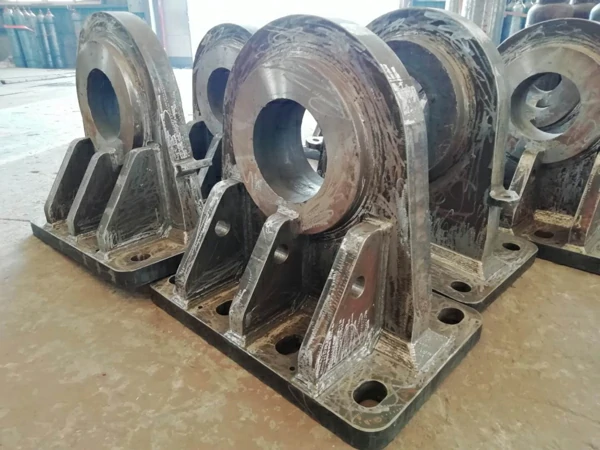
Large steel casting
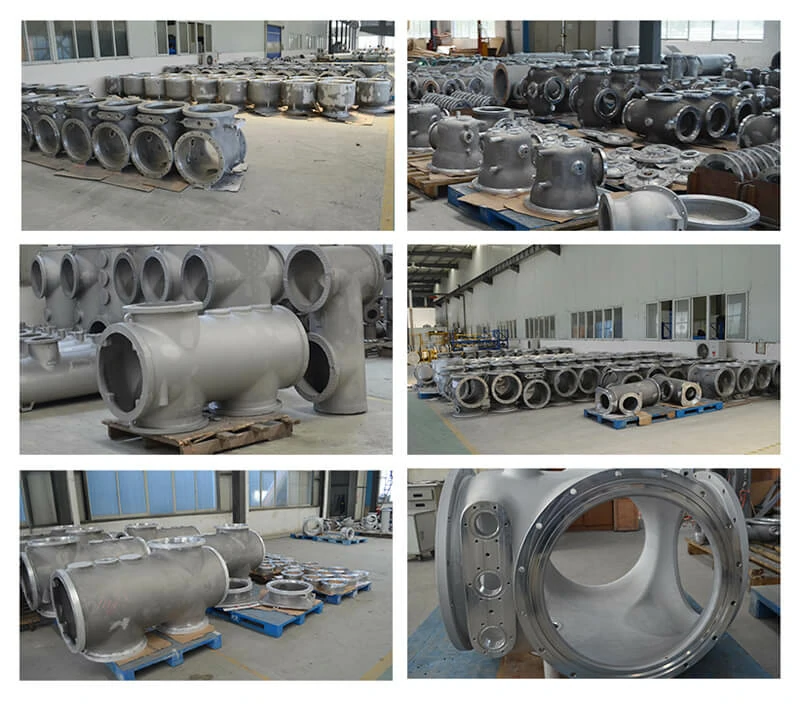
aluminum casting and machining
High-precision CNC machining is a cornerstone of modern metal fabrication, especially when refining die-cast and aluminum sand-cast parts. It enables industries to produce parts with tight tolerances, smooth finishes, and complex geometries required for optimal performance. Whether you're looking for precision components for mining equipment, renewable energy solutions, or custom machinery, CNC machining ensures that your parts meet the highest standards of quality and functionality.
At Openex, we offer expert CNC machining services that take your die-cast and sand-cast parts to the next level. Our commitment to precision and quality guarantees that your parts will meet even the most demanding performance criteria.
Recently, Openex completed manufacturing a vacuum chamber, a project that differed significantly from our previous work. Unlike flat components or small to medium-sized parts requiring single machining processes, these vacuum chambers involve multiple stages, including material cutting, bending, forming, and welding. These chambers, close to being fully assembled pressure products, introduced unique challenges due to their high precision and quality requirements.

The client for this project is a precision machinery manufacturer. The vacuum chambers, weighing 3 tons each, are expensive welded structures with stringent technical demands. Key processing requirements included:
To meet these challenges, we utilized the Japanese-made Mitsubishi MVR40 machining center, which has a processing range of 6200×4000×700×1100mm and is ideal for large-scale components.
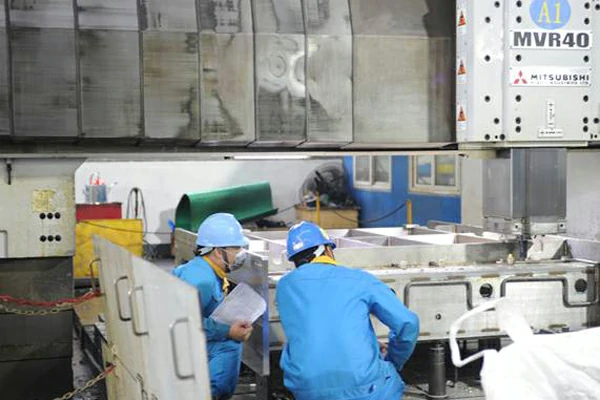
This project presented unique difficulties as all dimensions were spatial and interdependent. Both programming and operations demanded exceptional expertise. We assembled a dedicated senior staff team with over 7–8 years of experience to ensure the highest standards across every production phase.
1. Programming and Process Design
The intricate machining process required precise programming to achieve accuracy targets, particularly for the dovetail slots. To avoid errors caused by tool interference or programming mistakes, we conducted extensive testing of the toolpath simulations. Furthermore, we implemented compensation strategies to reduce the risks of deformation that are often associated with welded structures.
2. Equipment and Tooling
The Mitsubishi MVR40 provided robust support with its reliable stability and precision. For tooling, we selected high-rigidity, wear-resistant milling tools and drills, ensuring sustained performance during prolonged machining operations.
3. Operations and Coordination
Every step required meticulous execution. Proper use of auxiliary heads, essential for safety and precision, was closely monitored. Operators followed standardized workflows, collecting real-time data to collaborate effectively with programmers and make necessary adjustments during production.

The machining of the first vacuum chamber took 4.5 days, achieved through thorough planning and coordination. Key stages included:
The initial chamber met all customer requirements, with outstanding results in perpendicularity and flatness, reaching industry-leading standards. As the team gains experience, we expect significant improvements in processing efficiency for future batches.
This project demonstrated our technical capabilities in tackling complex welded structure machining. It also provided invaluable experience for similar future endeavors. Looking ahead, we will continue to prioritize customer needs, adopt advanced technologies, and nurture skilled talent to enhance our leadership in the precision machining industry.
Openex specializes in precision machining and fabrication, serving high-end industries such as aerospace, precision machinery, and energy equipment. With a commitment to excellence and innovation, we deliver top-quality solutions tailored to our clients' needs.
If you’re looking for a trusted partner for precision machining, contact us today. Let us bring your vision to life with precision and expertise!
Recently, Openex took on a challenging project, machining mill cylinders for a mining company. This task tested our technical capabilities and provided valuable experience in machining large components for ball mills.
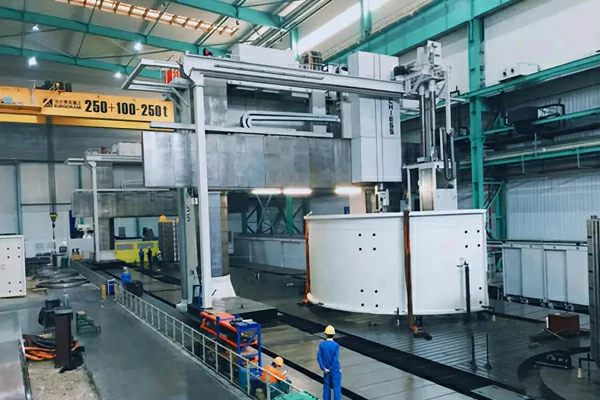
The mill cylinder has a diameter of about 9000mm and comprises two halves connected by bolts. Each cylinder weighs nearly 55 tons. Given the large size and weight of the metal component, ensuring machining precision and efficiency became the most significant challenge.
The cylinder machining project came with high technical requirements:
These strict requirements are not only very demanding for high precision from our equipment but also from the operators. This was our first time machining such kind of mill cylinders, and much of the work involved adapting to new challenges.
To successfully complete the project, we carefully planned each step of the machining process and selected the appropriate equipment.
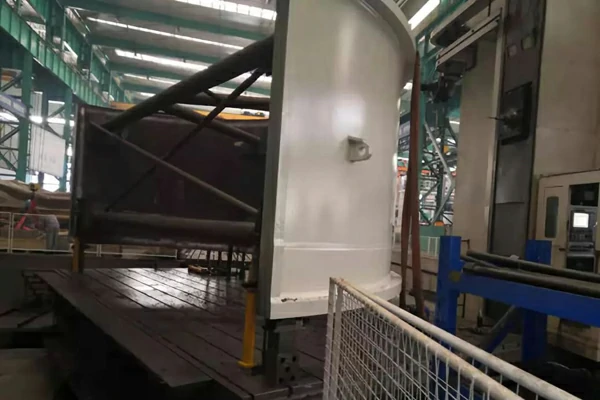
The first step was to machine the flange faces on both halves of the cylinder, ensuring they would align correctly during assembly. For this task, we used the Innse 280 floor borer. This machine offers excellent stability and precision, making it ideal for large components like the mill cylinder.
After machining the flange faces, we moved on to the overall turning and drilling of the cylinder. Given the large size of the component, a conventional floor borer was not sufficient. Therefore, we opted for a 22-meter vertical lathe for this part of the process.
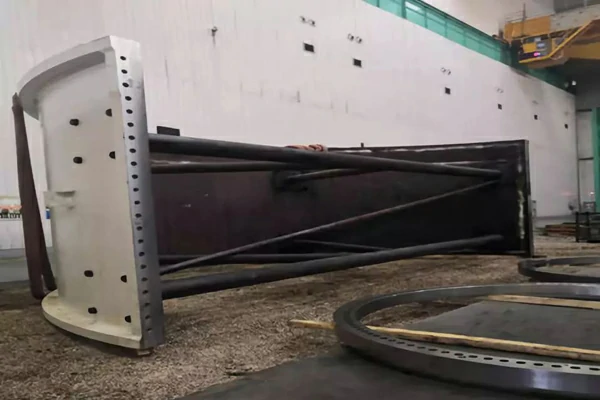
Once the initial machining was complete, we thoroughly inspected the cylinder to ensure all specifications were met. We used a coordinate measuring machine (CMM) to check verticality, runout, and other key tolerances.
This project was a successful challenge and a valuable learning experience for us. We successfully met the customer’s requirements while also improving our capabilities in machining large components, maintaining precision, and adapting to new designs. Moving forward, we aim to continue refining our processes and expanding our capabilities to handle even more complex tasks.
At Openex Metal Fab, we are always striving to improve our technical skills and enhance our machining processes to provide top-quality service to our clients. If you have any upcoming machining needs or want to learn more about how we can help with your next project, don’t hesitate to get in touch!
Recently, we were entrusted with a significant export order by a special vehicle manufacturer. This order, involving over 60 sets in the first batch, required us to meet high precision standards and a tight delivery deadline. The production process included multiple stages, such as coil slitting, laser cutting, bending, profile processing, welding, and assembly before the final products were packed and shipped.
To ensure that we met the customer's expectations for both product quality and delivery time, our team set up a dedicated project group. This group worked closely together, focusing on technical communication, process improvement, production efficiency, and quality control to ensure every step of the process was seamless. Thanks to the collaboration and careful attention to detail, we were able to deliver the order ahead of schedule, meeting all quality requirements and earning positive feedback from the customer.
Currently, the follow-up orders are progressing smoothly, and this successful cooperation has laid a strong foundation for future collaboration and mutual benefits.
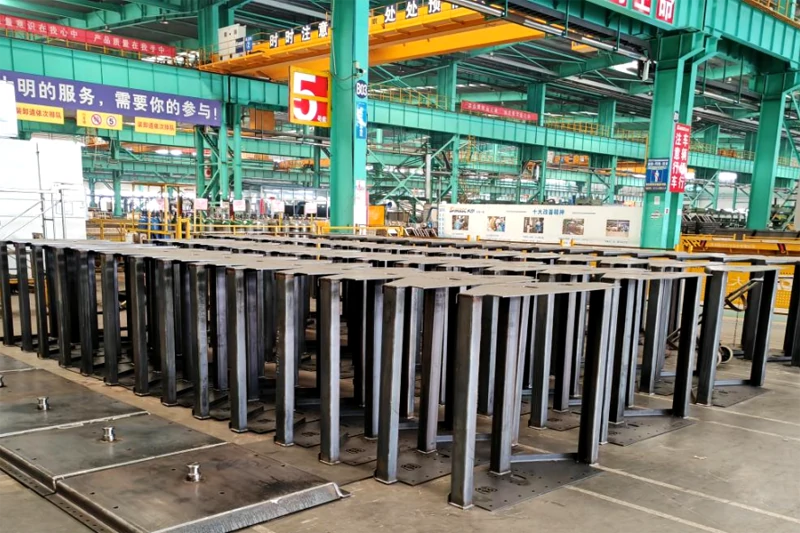
This order presented a few unique challenges. Not only did it involve high-precision requirements, but the products also needed to meet the international standards for export. The customer came to us with a clear set of requirements, emphasizing both the quality of the final product and the need for timely delivery.
The production process was divided into several steps, each requiring careful planning and execution:
Given the complexity of the order, our team had to ensure that each phase was completed without any delays or compromises in quality.

To ensure the project , we formed a dedicated project team, consisting of professionals from various departments including technical support, production, and quality control. The team's goal was to ensure that the entire process was well-coordinated and ran smoothly from start to finish.
The first step was to engage in detailed technical communication with the client to fully understand their expectations and requirements. Through multiple rounds of discussions, we were able to confirm the exact specifications for each part and outline the process improvements needed. This clear communication helped us avoid misunderstandings and streamline the workflow.
Once we understood the customer's needs, we focused on refining our production process to ensure efficiency and quality.
In the coil slitting phase, we optimized the cutting process to reduce waste and improve precision. The high-precision laser cutting machines we use allowed us to achieve the exact dimensions required for each part. The cutting process was designed to minimize material waste while ensuring sharp, accurate cuts that would fit perfectly in the later assembly stages.
For bending, we used state-of-the-art CNC press brakes. These machines are highly accurate and allow us to handle complex geometries with ease. Based on the specific material and product requirements, we adjusted the bending parameters to achieve the perfect angles and curves without compromising the integrity of the materials.
For profile processing, we optimized the machining procedures, ensuring that each piece was cut and shaped to the precise specifications needed for welding and assembly. This step was critical to ensure that all parts fit together perfectly when it came time for welding.
Quality control was one of our top priorities throughout the entire process. From raw material inspection to the final product, we implemented strict quality checks at every stage of production. Here’s how we ensured quality:

We knew that the delivery deadline was tight, so we focused on maintaining an efficient production schedule without compromising quality. This involved careful planning and coordination across all departments.
By optimizing workflows and scheduling work in parallel where possible, we managed to maintain a steady pace of production. We also ensured that any potential delays were identified early, allowing us to make adjustments to avoid falling behind schedule.
To meet the customer's timeline, we worked overtime during peak production periods and adjusted our team’s shifts to maximize productivity without affecting quality. Our commitment to efficiency and on-time delivery meant that we were able to ship the products ahead of schedule, much to the client’s satisfaction.
Thanks to the dedicated efforts of our team and our commitment to quality and efficiency, we successfully completed the order ahead of schedule, meeting all the required specifications. The client was extremely pleased with the results and provided us with valuable positive feedback.
This successful collaboration not only solidified our relationship with the client but also laid a strong foundation for future business together. We’re currently working on the follow-up orders, which are proceeding smoothly. The mutual trust established through this project sets the stage for long-term, win-win cooperation.
This project allowed us to refine our metal fabrication processes and deepen our expertise in the special vehicle sector. With each project, we continue to improve and optimize our services to meet the evolving needs of our clients.
We understand that each client is unique, with different requirements and challenges. That’s why we always take a tailored approach, offering customized solutions that best suit each project’s needs.
If you have a special vehicle or custom metal fabrication project in mind, or if you’re looking for a reliable partner who understands your quality and deadline requirements, we would love to hear from you.
At Openex, we specialize in high-quality metal fabrication, with a focus on the special vehicle and heavy-duty vehicle sectors. Over the years, we've built a solid reputation for delivering various precise, durable, and timely metal products. Our experienced team and advanced machinery allow us to take on complex projects and deliver customized solutions for each client. We pride ourselves on our attention to detail and our ability to meet the toughest challenges.
If you’re looking for a partner who can meet your high-quality standards and deliver on time, get in touch with us today. We’re here to help bring your projects to life!
Contact us now to discuss your next project—we look forward to working with you and delivering the best solutions for your business!
We’re excited to share that we recently completed a major project: the successful delivery of a condenser accessory equipment to Spain. This achievement not only highlights our strengths in the condenser manufacturing field but also marks an important step in our journey toward expanding internationally. In this case study, we'll walk you through the project details, the challenges we faced, and how we managed to overcome them to deliver a top-quality product right on time.
The project involved creating custom-designed condenser accessory equipment made from carbon steel, weighing nearly 70 tons. With our client setting strict precision requirements, we knew we had to pay close attention to every step of the manufacturing process. This was a significant undertaking for us, testing both our technical skills and our ability to work as a team.
1. Customizing Raw Materials
The first step in delivering a quality product was sourcing high-quality carbon steel. Our project team conducted thorough research to find reliable suppliers, ensuring that the materials we used met international standards and fulfilled our client’s specific needs.
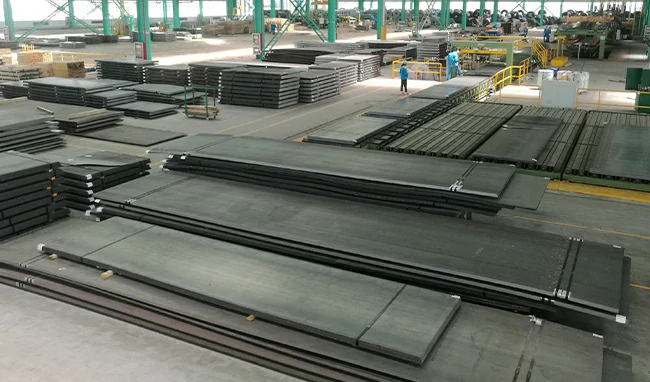
2. Cutting and Edge Machining
Once we secured the raw materials, we moved on to cutting and edge machining. We used advanced CNC cutting technology, which allowed us to achieve high precision while minimizing waste. For edge machining, we employed efficient machinery to ensure that each component had smooth, burr-free edges—essential for quality welding later on.
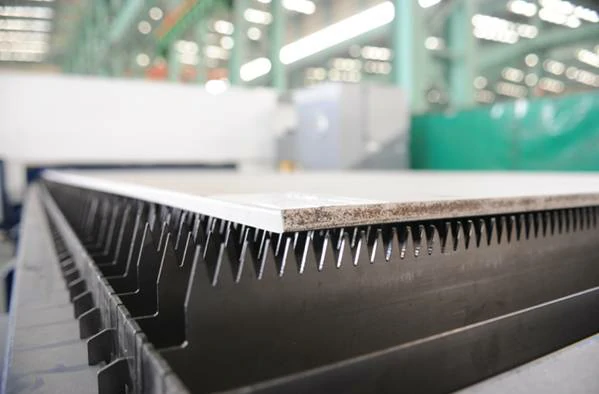
3. Forming and Pressing
After cutting, we entered the forming phase. This step required high-precision equipment to make sure each part fit perfectly. Next came the pressing stage, where we closely controlled temperature and pressure to ensure the product’s physical properties matched our design specifications.
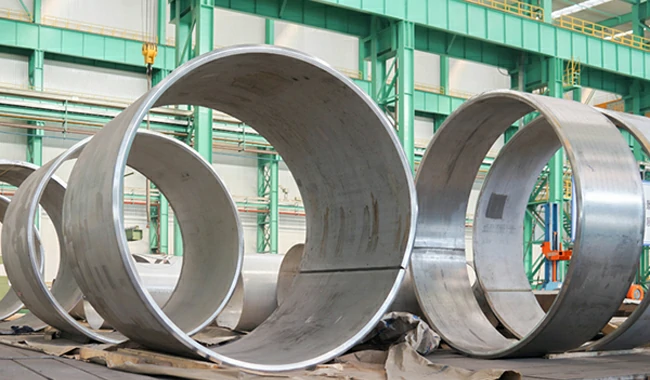
4. Welding and Quality Inspection
Welding was a critical phase of the project. Before we began, we made sure to prepare thoroughly by creating detailed welding process specifications. During the welding, our quality team monitored everything in real-time to ensure that the weld seams were strong and looked great. After welding, we conducted multiple non-destructive tests to verify the integrity of the welded areas.
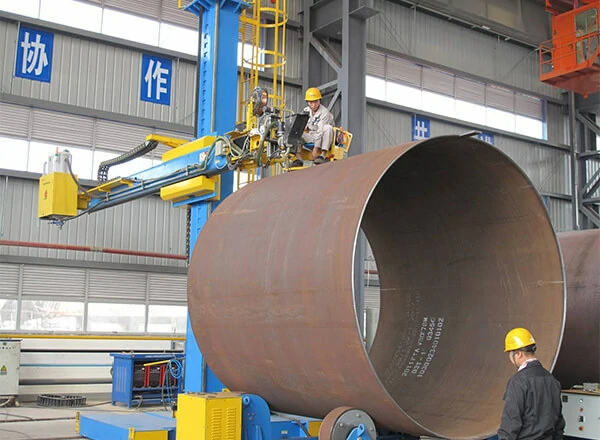
5. Surface Treatment and Assembly
To enhance both durability and aesthetics, we performed surface treatment, applying anti-corrosive coatings and polishing the surfaces. During assembly, our team collaborated closely to ensure every component was installed correctly and underwent comprehensive functionality tests.
6. Shipping Preparation
Once all processes were completed, we conducted a final inspection of the equipment and made all necessary preparations for shipping. By coordinating with our logistics partners, we ensured that the equipment would be delivered safely and on time to the client’s location.
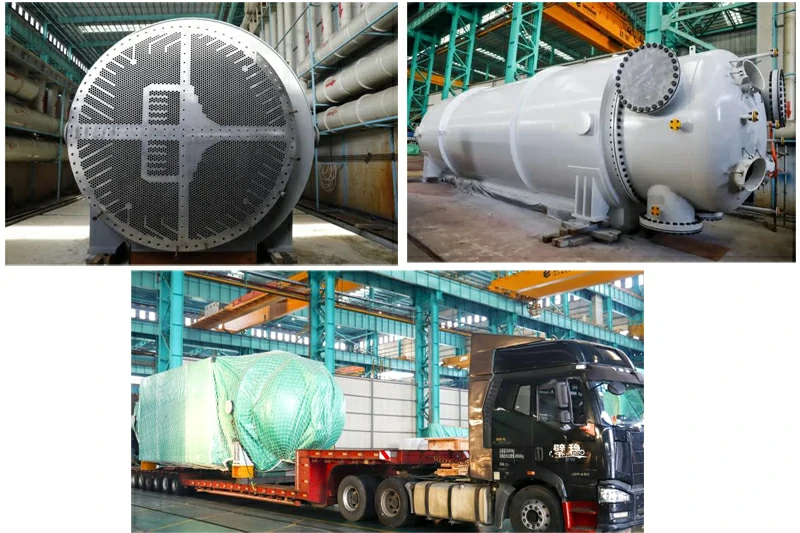
Effective teamwork and communication were key throughout this project. Our project team kept in close contact with the client, providing regular updates on production progress and addressing any issues as they arose. Through regular meetings and reports, we made sure everyone was on the same page about the project's status.
We developed detailed corrective and preventive measures that covered aspects like welding quality, visual appearance, and process control. Our quality team kept all documentation up to date to ensure accurate and timely information flow.
Of course, every project comes with its challenges. One of the issues we faced was a slight delay in the delivery of materials, which impacted our production schedule. We quickly adjusted our plans and reinforced our timeline control to keep everything on track.
Another challenge was ensuring the safety and stability of transporting the heavy equipment. To tackle this, we worked closely with our logistics partners to create a detailed shipping plan that would keep the equipment secure during transport.
In the end, we shipped the condenser accessory equipment to Spain on schedule, and our client was very pleased with the results. This project not only boosted our brand image but also laid the groundwork for a strong, long-term partnership with our Spanish clients.
The client expressed satisfaction with the equipment's performance and quality, and they are eager to collaborate on future projects. We’re committed to continuing our high standards of quality and timely delivery.
At Openex, we take pride in our advanced capabilities in metal fabrication. Here’s what sets us apart:
If you’re looking for a trustworthy partner for your metal fabrication needs, we invite you to reach out to us. At Openex, we’re committed to delivering high-quality products and services tailored to your specific requirements. Let’s work together to make your projects a reality with precision and excellence. Contact us today to find out how we can support your next project!
In modern manufacturing, advancements in metal fabrication technology are crucial for product quality and efficiency. Recently, our metal fabrication center successfully processed a batch of high-demand wave panel washing chamberes for a long-time client in the dyeing machinery industry. This project not only earned the client's recognition but also showcased our capabilities in handling complex welded structures.

Our client is a well-known dyeing machinery company with which we have established a long-term cooperative relationship. Over the years, we have provided various metal fabrication services, including the forming and welding of chambers. As market demands evolved, the client sought to entrust us with the production of the internal structure of the chambers, providing an opportunity to demonstrate our fabrication capabilities.
The wave panel washing chamber involved in this project features a complex internal welded structure. The client's requirements included:
High Precision: Strict dimensional accuracy for the consistency of wave panel bending and assembly spacing.
Complex Processes: The fabrication involved multiple steps, including cutting, bending, stamping, welding, and shaping.
High Efficiency: Completion of the fabrication within a specified timeframe to meet the client's production schedule.
To ensure the smooth progress of the project, we formed a project tracking team. This team consisted of personnel from sales, drafting, planning, production, and quality inspection, responsible for coordinating and executing the entire project. The close collaboration among team members laid a solid foundation for success.
In the early stages of the project, we efficiently analyzed the order situation and simulated the fabrication steps. Drawing on previous welding experience, we developed a detailed processing plan. This plan included operational procedures, required equipment and materials, and process parameters, ensuring that each step had clear execution standards.
The first step of the project involved cutting and bending the wave panel. We utilized advanced laser cutting equipment to ensure precision and smoothness in the cutting process. The subsequent bending process employed a CNC bending machine to achieve the required angles and shapes.
Stamping was a key step in this project. We used efficient stamping equipment to shape the material, ensuring its strength and stability. The welding phase was a focal point of the project. We applied various welding techniques to ensure the strength and appearance of each weld.
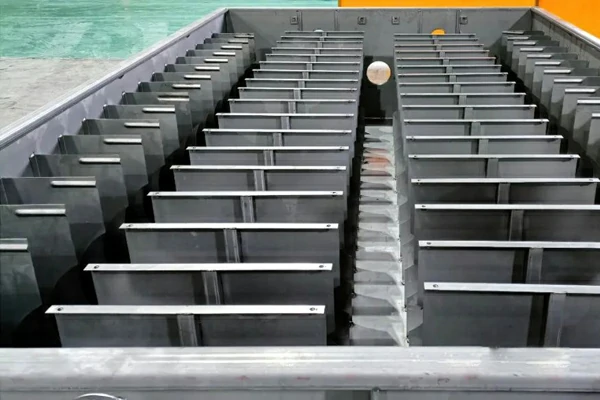
After welding, the chamber needed shaping to ensure its appearance and structural integrity. We established strict quality inspection processes to guarantee that each step met the client’s requirements. The project team conducted multiple measurements and inspections to ensure each chamber met standards in terms of dimensions and quality.
Throughout the fabrication phase, departments worked together seamlessly, forming an efficient workflow. The project team closely coordinated information exchange, technical support, and problem-solving, ensuring smooth fabrication. This efficient collaboration not only improved productivity but also enhanced the trust and rapport among team members.
After thorough preparation and team effort, the fabrication project for the wave panel washing chambers was completed. The final products not only met the client's precision requirements but also enriched our valuable welding processing experience. This success once again proved our strength and professionalism in the field of metal fabrication.

Our company is dedicated to providing high-quality metal fabrication services, equipped with advanced machinery and extensive experience. We excel in several key areas:
Advanced Equipment: We have the latest cutting, bending, stamping, and welding machines, capable of meeting diverse fabrication needs.
Professional Team: Our team consists of experienced technicians and engineers who can quickly tackle various technical challenges.
Strict Quality Control: We implement a comprehensive quality management system to ensure every product meets international standards.
As market demands continue to evolve, we will enhance our technological capabilities and expand our product lines. We welcome more clients to collaborate with us in creating a promising future together. If you have metal fabrication needs or would like more information, please feel free to contact us. We look forward to providing you with the highest quality service.
Through the successful fabrication case of the wave panel washing chambers, we have not only strengthened our partnership with the client but also improved our market competitiveness. Moving forward, we will adhere to the principles of “quality first, customer foremost,” and strive to provide quality metal processing solutions for more clients. We look forward to working with you to embrace future challenges and opportunities.
Recently, a well-known machinery manufacturing company entrusted Openex Metal Fabrication (hereinafter referred to as "Openex") with the production and fabrication of a batch of key components for new environmental machinery equipment. This cooperation was built upon the success of a previous sample project, where the client was highly satisfied with Openex’s fabrication techniques and service quality. As a result, the company decided to hand over these key components for production.
These components are crucial to the core part of the environmental machinery equipment, demanding strict standards for manufacturing precision and consistent quality. The batch consists of more than 20 sets of parts, made from hot-rolled stainless steel with varying thicknesses from 1mm to 12mm. The specifications are complex and diverse, with stringent requirements for flatness and vertical cutting precision. This posed a significant challenge to the processing company’s equipment performance, technical capabilities, and management efficiency.
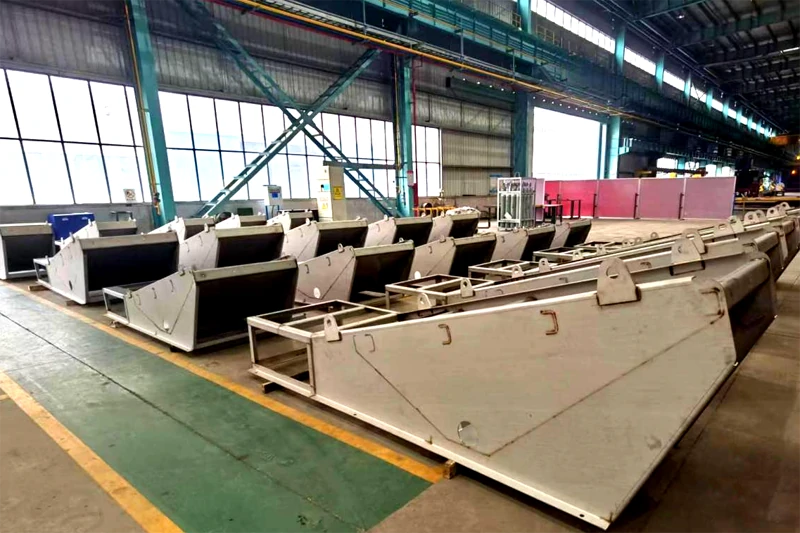
This project’s fabrication involved multiple stages, including flattening, cutting, bending, riveting, tapping, machining, assembly, and welding. Each step required high standards of technical support and precise coordination of equipment. To ensure the quality of the final product, our technical team developed a thorough processing plan, fully leveraging our advanced production equipment and efficient management practices.
The components for this batch of environmental machinery were made from hot-rolled stainless steel, with thicknesses ranging from 1mm to 12mm. To ensure smooth subsequent processing, our team classified the materials according to the process design requirements. Each part was precisely cut and categorized, with every sheet clearly marked with the customer’s drawing number and the next fabrication step, ensuring seamless handover between stages.
This phase heavily relied on our advanced flattening equipment—the FIMI 878 flattening machine. With its high precision and efficiency, this machine played a crucial role in controlling the flatness of the materials. By using precise flattening techniques, the surfaces of all plates were smooth and even, laying a solid foundation for the next cutting process.
Cutting is a key step in the entire manufacturing process. The precision of the cut not only affects the dimensional control of the parts but also directly influences the quality of the subsequent assembly and welding. We employed the German TRUMPF laser cutting machine, renowned in the industry for its high precision and stability, making it particularly suitable for cutting stainless steel.
The laser cutting machine melts the material at high temperatures to achieve smooth edges and high vertical precision. In this project, the customer required extremely high verticality in the cuts, and the TRUMPF laser cutting machine performed flawlessly in this regard. The edges of each part were smooth and burr-free, with verticality deviations controlled within micrometer levels, providing high-standard materials for subsequent bending and machining processes.
After the sheet metal was cut, it proceeded to the bending and machining stages. Bending requires the parts to be shaped without deforming or cracking. For stainless steel, due to its higher hardness, precise mechanical design and careful control are required during bending. We used advanced CNC bending equipment, where pre-programmed instructions ensured that every angle and bend radius was accurate, preventing material stress concentration and deformation.
The machining phase mainly involved flange manufacturing and local machining of certain components, such as milling surfaces, drilling, and tapping. This stage demands extremely high machining precision and consistency to ensure that each part fits perfectly in the subsequent assembly process. With an experienced technical team and efficient CNC machine tools, Openex ensured that every part met the required accuracy and stability.
The final steps involved assembly and welding. The components for environmental machinery are typically large and involve the integration of multiple parts, making the quality of the welding process critical. We used high-precision automatic welding equipment, complemented by skilled welders, ensuring the strength and smoothness of the welds while avoiding common welding defects such as porosity and cracks.
After welding, Openex conducted thorough quality inspections on all components, including dimensional checks, non-destructive testing of welds, and surface treatment inspections. Every stage was executed in strict accordance with the client’s technical specifications, ensuring that all finished products met or exceeded the expected standards.
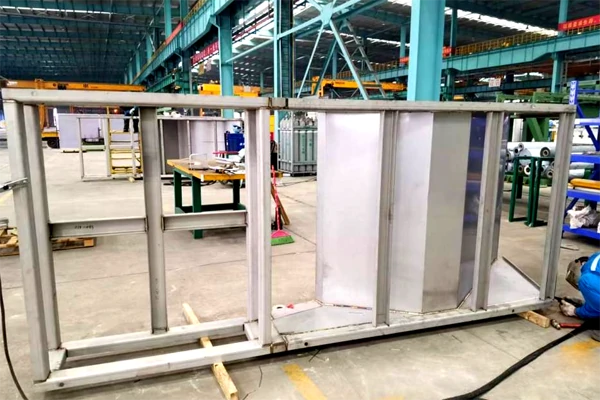
The successful completion of this environmental machinery component processing project was largely due to Openex’s efficient management approach and strong team collaboration. From the start of the project to the final delivery, our project management team maintained close communication with the client, ensuring that every stage was aligned with the client’s needs and requirements.
To improve production efficiency, we implemented a one-stop fabrication service model. This means that the client could have every step, from design, material procurement, fabrication, assembly, inspection, and transportation, completed within Openex’s facilities. This model not only significantly shortened the project timeline but also reduced the client’s management costs, enhancing overall project efficiency.
The success of this collaboration highlights the core strengths of Openex Metal Fabrication in the metal fabrication industry. As a leading metal fabrication company, Openex boasts advanced equipment, a professional technical team, and extensive project management experience, providing clients with efficient and precise processing services.
Openex is equipped with several world-class processing machines, such as the FIMI 878 flattening machine and the German TRUMPF Smart Factory. These machines provide high-precision processing, ensuring that each stage meets the required standards. Additionally, the high level of automation in the equipment significantly increases production efficiency, shortening delivery times.
Openex has a highly experienced technical team, with each member years of experience in metal fabrication. The team can provide customized solutions based on the client’s specific needs. Whether it's complex process design or high-precision requirements, our technical team is capable of offering professional support to ensure the successful completion of projects.
Our one-stop fabrication service is one of its key competitive advantages. From design and fabrication to inspection and transportation, Openex offers clients a comprehensive solution for all stages. This not only reduces the client’s communication costs but also enhances project execution efficiency. By working with just one supplier, clients can complete all production stages, significantly simplifying the project management process.
As an industry leader, Openex Metal Fabrication has earned the trust and support of numerous clients through its outstanding product quality and service standards. The company is committed to maintaining a “customer-first” approach, continuously investing in advanced equipment and technology, optimizing production processes, and improving service quality. Looking to the future, we will continue adhering to this philosophy, striving to provide even better products and services to its clients and cementing its position as a leader in the metal fabrication industry.
If your company is seeking an efficient, precise, and one-stop metal fabrication service provider, Openex Metal Fabrication is your ideal partner. No matter your fabrication needs, our technical team can offer professional solutions to ensure your project is completed on time and to the highest quality standards. Contact us today to start your customized metal fabrication journey!
Recently, we successfully provided efficient metal fabrication services for a batch of containerized diesel engines exported to Malaysia. We were mainly responsible for fabricating the container shells that housed these diesel engines. These specialized containers serve to protect the diesel engines, ensuring their safe and stable operation while also facilitating transportation and installation. The metal fabrication procedures for this project mainly included the following key steps:
- Leveling: Using leveling equipment to flatten the steel coils, ensuring accurate dimensions and shapes of the raw materials.
- Sandblasting: Cleaning the metal surfaces by removing rust and oxidation.
- Painting: Applying anti-corrosion coatings to the shells to enhance durability and aesthetics.
- Cutting: Utilizing CNC cutting machines for precise material cutting, ensuring dimensional accuracy of each component.
- Bending: Using automated bending equipment to precisely shape the metal plates as per design requirements.
- Welding: Implementing automated welding systems to ensure the structural integrity of the container.
- Assembly: Final assembly of all parts to ensure the integrity and stability of the finished shell.
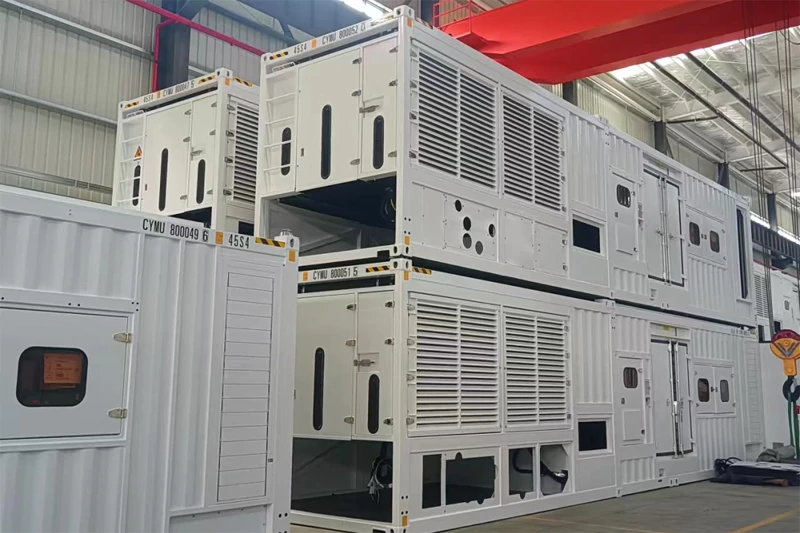
This project posed several challenges:
- Complex processes and tight integration: The metal processing involved multiple stages, requiring seamless coordination between each phase without any deviation.
- High precision requirements: The container shell for diesel engines demanded extremely tight structural accuracy, with any dimensional deviations needing to be controlled within millimeters.
- Tight delivery schedule: The client requested that the entire processing workflow be completed within a very short timeframe while ensuring timely delivery.
To meet the client's stringent requirements, our production team responded swiftly by formulating an efficient production plan. During execution, we employed the following measures to ensure the project proceeded smoothly:
Our production departments dispatched professional personnel to the client’s site to understand the actual working environment, usage scenarios, and operational conditions of the diesel engines. With this information, we tailored a processing plan and optimized the shell’s design and manufacturing process to ensure that the processed container shells met both functional and durability requirements.
To meet the high precision demands, we introduced advanced CNC cutting machines and automated welding systems from Europe and Japan. These intelligent machines achieved high precision in processing, significantly boosting production efficiency while improving product consistency.
We restructured and optimized the production process, adjusting the sequence of operations to ensure a smooth workflow between each stage. Through scientific production scheduling and efficient allocation of resources, we significantly shortened the delivery period without compromising on product quality.
We implemented a strict quality control system from raw material procurement to final assembly. In critical stages like welding and assembly, experienced technicians were assigned to ensure that each product met the necessary standards for precision and strength.
Through close collaboration and efficient execution, we completed the production of the diesel engine container shells on time, with a quality level that exceeded the client’s expectations. The client highly praised our work and expressed a strong desire to collaborate with us on future projects.
This project demonstrated our company's strong execution capabilities and technical expertise in managing complex projects, further enhancing our competitiveness in the international market.
Our company is a leading enterprise in full-chain, one-stop high-end fabrication services. We offer comprehensive services covering the entire manufacturing process, from steel material processing, and component manufacturing, to finished product assembly. Whether it is large-scale industrial equipment or high-precision metal parts, we provide customized metal fabrication solutions tailored to meet the needs of various clients.
We understand that advanced equipment and technology are the keys to maintaining competitiveness in the manufacturing industry. Therefore, we continuously import top-tier processing equipment and technology from Europe, Japan, and other developed countries. Our equipment covers all aspects of metal processing, ensuring that each stage can be completed with the highest precision and efficiency.
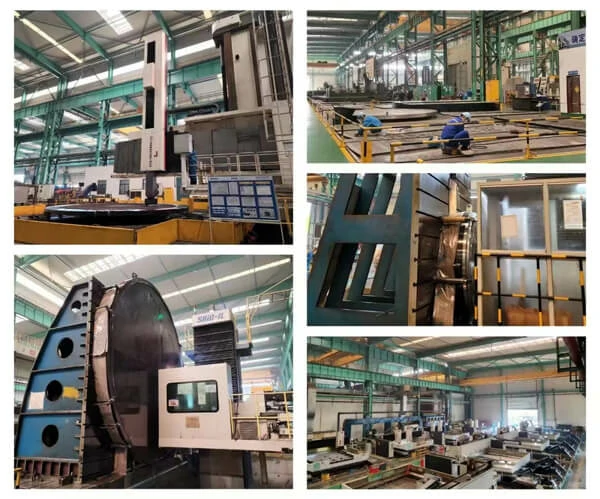
In addition to importing advanced equipment, we have strong in-house R&D capabilities. We continuously improve our production processes and enhance precision and efficiency through technological innovation. Our partnerships with leading global manufacturing companies and research institutions ensure that we remain at the forefront of the industry.
Our technical team is one of the core strengths of our company. Comprising seasoned professionals with extensive experience in metal fabrication, our team is adept at designing optimal solutions based on specific client requirements. From managing complex projects to handling highly challenging processing tasks, our technical team ensures smooth and efficient execution.
To ensure product quality, we have implemented a strict quality control system across all stages of production. From material selection to each processing step, we perform rigorous monitoring and inspections to ensure that every product meets the highest quality standards.
The quality of raw materials has a direct impact on the performance and durability of the final product. Therefore, we work only with top-tier suppliers in the industry, ensuring that every batch of materials undergoes strict testing and meets both national and international standards.
Throughout the production process, we have set up multiple quality inspection points, particularly during critical steps such as cutting, welding, and assembly. Detailed records of quality inspections at each key stage are maintained for tracking and analysis, ensuring that every product meets or exceeds customer expectations.
All finished products undergo a stringent final inspection before leaving the factory. We use advanced testing instruments to assess multiple aspects, such as dimensional accuracy, strength, and corrosion resistance, ensuring the product fully complies with client specifications and usage requirements.
We adhere to a customer-centric approach, adjusting our production processes flexibly based on client needs. Whether for small-batch customization or large-scale production, we ensure timely delivery and high-quality products through scientific production scheduling and resource management.
Our goal is not only to provide high-quality products but also to offer cost-effective solutions to our clients. Through the extensive application of automation and refined production management, we reduce production costs and ensure that our clients benefit from competitive pricing while receiving premium service.
The future of the manufacturing industry is full of opportunities and challenges. We consistently prioritize technological innovation as a core driver of growth, investing heavily in R&D to explore new materials and manufacturing processes. We will continue expanding our global market presence, providing clients with even more efficient and higher-quality services, and driving our company towards a more advanced, intelligent manufacturing future.
Contact us today to learn more about how our high-quality, cost-effective metal processing solutions can support your next project. Let’s work together to turn your vision into reality!
As a seasoned metal fabrication expert with over two decades of experience, I've witnessed numerous technological advancements in our industry. However, the introduction of laser welding robots stands out as a true game-changer. In this article, I'll dive deep into the world of laser welding robots, explaining their significance, components, applications, and impact on the metal fabrication industry.
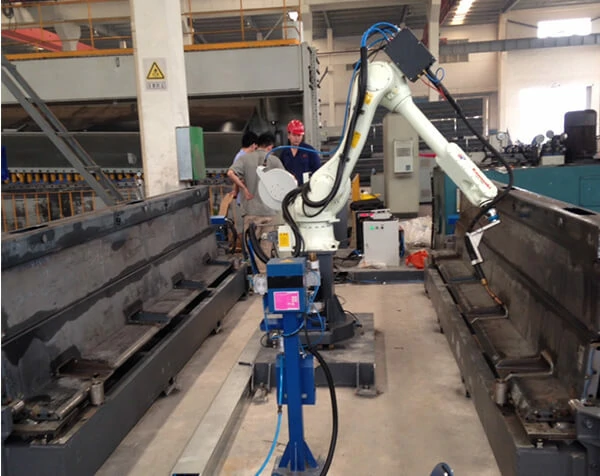
Laser welding robots represent the pinnacle of precision welding technology. These sophisticated machines combine the power of focused laser beams with the flexibility and accuracy of robotic arms. The result is a welding system that can produce high-quality, consistent welds at speeds traditional methods can't match.
a) Robotic Arm: The backbone of the system, typically featuring six or more axes of movement. This multi-joint design allows for complex 3D movements, enabling the robot to weld in virtually any position or angle.
b) Laser Source: The heart of the system. Common types include fiber lasers, CO2 lasers, and disk lasers. Each has its strengths, but fiber lasers are becoming increasingly popular due to their efficiency and reliability.
c) Optical System: A series of mirrors, lenses, and a focusing head that directs and concentrates the laser beam onto the workpiece. The ability to focus the beam into a tiny spot is crucial for achieving high energy density.
d) Control System: The brains of the operation. Advanced software and hardware work together to coordinate the robot's movements, control laser output, and manage welding parameters in real-time.
e) Sensing Systems: Various sensors, including vision systems and seam trackers, allow the robot to adapt to slight variations in the workpiece or welding conditions.
The laser welding process is fascinating from a metallurgical perspective. Here's how it works:
a) Beam Generation: The laser source produces a high-energy beam.
b) Beam Delivery: The optical system guides and focuses the beam onto the workpiece.
c) Melting: The intense, focused energy rapidly melts the metal at the weld joint.
d) Weld Pool Formation: A small, controlled melt pool forms.
e) Solidification: As the laser moves along the weld path, the molten metal behind it solidifies, creating the weld.
f) Shielding: In many cases, a shielding gas (like argon) is used to protect the weld pool from atmospheric contamination.
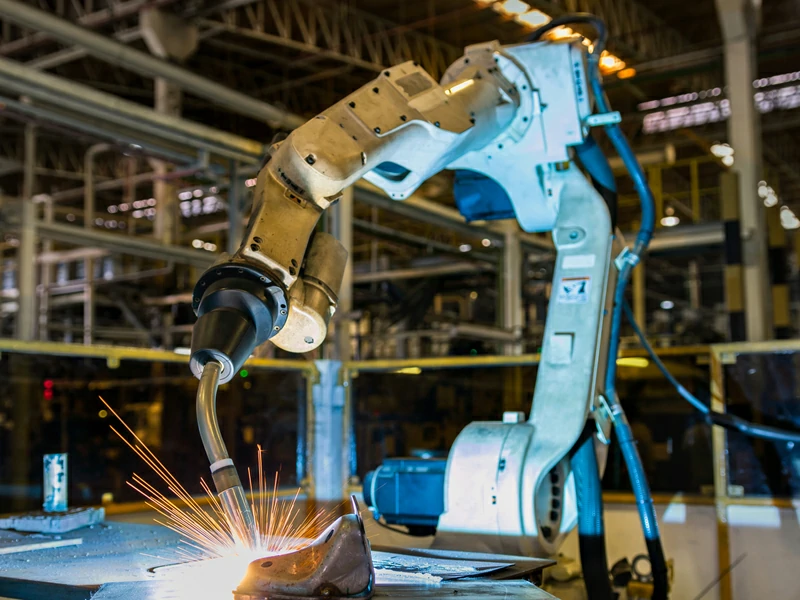
As a fabricator, I've found numerous benefits to using laser welding robots:
a) Precision: Welds can be placed with accuracy down to fractions of a millimeter. This is crucial for complex parts or when working with thin materials.
b) Speed: Depending on the application, laser welding can be 2-10 times faster than traditional welding methods.
c) Consistency: Once programmed, the robot produces identical welds repeatedly, which is excellent for quality control and reducing rework.
d) Minimal Heat Affected Zone (HAZ): The focused energy means less heat spreads through the workpiece, reducing distortion and maintaining material properties.
e) Versatility: These systems can weld a wide range of materials and thicknesses, often without filler material.
f) Automation Potential: Laser welding robots integrate well with other automated systems, paving the way for fully automated production lines.
In my experience, laser welding robots have found homes in numerous industries:
a) Automotive: Used for body-in-white assembly, powertrain components, and battery enclosures for electric vehicles.
b) Aerospace: Precision welding of turbine components, fuel systems, and structural elements.
c) Electronics: Micro-welding for batteries, sensors, and other delicate components.
d) Medical Devices: Creating sterile, high-strength welds for surgical instruments and implants.
e) Energy Sector: Welding pipes, pressure vessels, and renewable energy components like solar panel frames.
While laser welding robots offer numerous advantages, they're not without challenges:
a) Initial Cost: The upfront investment can be significant. However, I've found that the long-term benefits often outweigh this initial hurdle.
b) Programming Complexity: Creating efficient welding paths and optimizing parameters requires skill. Thankfully, offline programming software and simulation tools are making this process more accessible.
c) Material Preparation: Laser welding typically requires clean, precisely fitted joints. We've implemented advanced cleaning processes and improved fixturing to address this.
d) Safety Considerations: Working with high-power lasers necessitates robust safety protocols. We use enclosed welding cells, interlocks, and proper personal protective equipment (PPE) to ensure operator safety.
For shops considering laser welding robots, I recommend the following:
a) Start with a Clear Use Case: Identify specific applications where laser welding can provide the most benefit.
b) Invest in Training: Ensure your team is well-versed in programming, operation, and maintenance of the system.
c) Optimize Your Workflow: Consider how the laser welding robot will integrate with your existing processes.
d) Plan for Maintenance: Regular calibration and maintenance are crucial for consistent performance.
The field of laser welding robotics is constantly evolving. Some exciting trends I'm watching include:
a) AI and Machine Learning Integration: These technologies enable smarter, more adaptive welding processes.
b) Increased Power and Efficiency: Laser sources are becoming more powerful and energy-efficient.
c) Hybrid Systems: Combining laser welding with other processes (like arc welding) for even greater versatility.
d) Additive Manufacturing Integration: Some systems can now handle welding and 3D metal printing.
As a metal fabrication expert, We are truly excited about the potential of laser welding robots. They're not just tools; they're transforming how we approach metal joining. While they require investment in both equipment and expertise, the payoff in terms of quality, speed, and capabilities is immense.
For shops looking to stay competitive in an increasingly high-tech landscape, laser welding robots are becoming less of a luxury and more of a necessity. As we move forward, we expect these systems to become even more intelligent, efficient, and integral to modern metal fabrication.
Interested in our robot welding service or more information about our welding capabilities? Contact us now at sales3@openex.com.cn