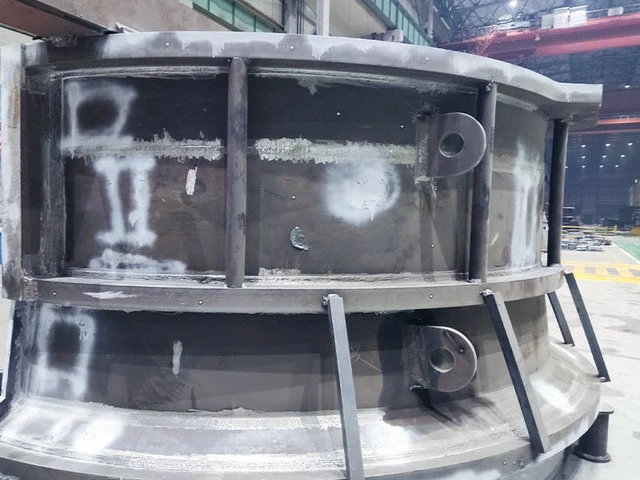
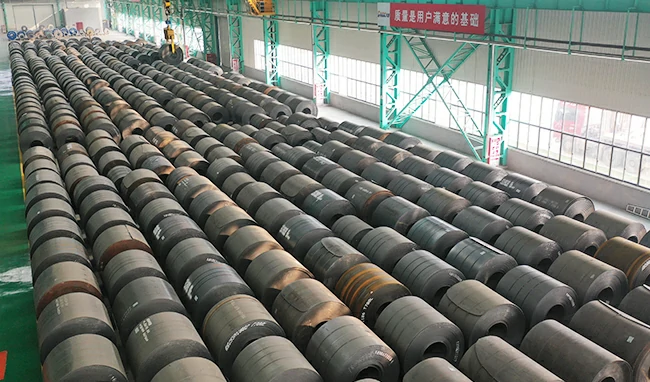
Cast iron is a group of iron-carbon alloys with a carbon content greater than 2%. It is made by melting iron and adding carbon and other elements to the molten metal, which is then poured into a mold to cool and solidify. The resulting material has a crystalline structure that is highly resistant to wear and deformation.
How is Cast Iron Made?
Cast iron is made by melting iron and adding carbon and other elements to the molten metal, which is then poured into a mold to cool and solidify. Here are the basic steps involved in making cast iron:
Melting the iron: The first step in making cast iron is to melt iron in a furnace at temperatures of around 2,800 degrees Fahrenheit. The iron is typically sourced from iron ore or scrap iron.
Adding the alloying elements: Once the iron is melted, carbon and other elements such as silicon, manganese, and sulfur are added to the molten metal to create the desired alloy. The exact composition of the alloy depends on the specific application and properties required.
Pouring the molten metal into molds: The molten metal is then poured into a mold, which is typically made of sand or metal. The mold is designed to create the desired shape and structure of the final product.
Cooling and solidifying the metal: As the molten metal cools, it solidifies and takes on the shape of the mold. This process can take several minutes to several hours depending on the size and complexity of the casting.
Removing the casting from the mold: Once the metal has solidified, the casting is removed from the mold. The casting is typically cleaned and finished to remove any rough edges or imperfections.
Heat treatment: Depending on the desired properties of the final product, the casting may undergo a heat treatment process to improve its strength, hardness, and other characteristics.
Casting Methods of Cast Iron
The manufacturing process of cast iron is also named cast iron casting. There are several casting methods used to make cast iron, each with its own advantages and disadvantages. Here are some of the most common casting methods used for cast iron:
Sand casting: Sand casting is the most common method for making cast iron. It involves creating a mold made of sand around a pattern or model of the final product. Molten iron is then poured into the mold, and once it has cooled and solidified, the mold is broken open and the casting is removed.
Investment casting: Investment casting, also known as lost-wax casting, is a method of casting that involves creating a wax or plastic pattern of the final product. The pattern is then coated with a ceramic material and heated to create a mold. Molten iron is then poured into the mold, and once it has cooled and solidified, the ceramic shell is broken open and the casting is removed.
Die casting: Die casting is a method of casting that involves injecting molten iron into a metal mold under high pressure. The mold is typically made of steel, and the process is used to create small, complex parts with a high degree of accuracy and consistency.
Continuous casting: Continuous casting is a method of casting that involves pouring molten iron into a water-cooled mold that moves continuously through a series of rollers. The process is used to create long, continuous sections of cast iron, such as pipes and bars.
Centrifugal casting: Centrifugal casting is a method of casting that involves spinning a mold filled with molten iron at high speeds. The centrifugal force helps to distribute the molten metal evenly throughout the mold, creating a casting with a dense, uniform structure.
Types of Cast Iron
There are several types of cast iron, each with its own unique properties and applications. Here are some of the most common types of cast iron:
Gray iron: Gray iron is the most common type of cast iron, accounting for around 80% of all castings. It is named for its gray color, which is due to the presence of graphite flakes in the metal. Gray iron is relatively easy to cast, and has good wear resistance and vibration damping properties, making it ideal for use in engine blocks, gears, and other machinery components.
Ductile iron: Ductile iron, also known as nodular iron or spheroidal graphite iron, is similar to gray iron, but with the addition of small amounts of magnesium or cerium. This causes the graphite to form in nodules or spheres, rather than flakes, giving the metal increased ductility and toughness. Ductile iron is commonly used in automotive components, pipes, and other applications that require strength and durability.
White iron: White iron is named for its white color, which is due to the absence of graphite in the metal. Instead, the carbon in white iron is present in the form of cementite, a hard, brittle compound. White iron has excellent wear resistance, making it ideal for use in applications such as grinding balls, liners, and other abrasion-resistant components.
Malleable iron: Malleable iron is made by annealing white iron, which causes the cementite to decompose into graphite. This gives the metal increased ductility and toughness, while still retaining its wear resistance. Malleable iron is used in applications such as pipe fittings, hand tools, and other components that require both strength and flexibility.
Compacted graphite iron: Compacted graphite iron is a relatively new type of cast iron that has properties intermediate between gray iron and ductile iron. It is named for the compacted graphite flakes that are present in the metal, which give it increased strength and thermal conductivity compared to gray iron, while still retaining good damping properties. Compacted graphite iron is used in applications such as cylinder blocks, brake rotors, and other automotive components.
Benefits and Disadvantages of Cast Iron
Cast iron has both benefits and disadvantages, depending on the specific application. Here are some of the most notable advantages and disadvantages of cast iron:
Benefits:
Good casting properties: Cast iron has excellent casting properties, making it easy to cast into complex shapes and sizes.
High wear resistance: Cast iron has excellent wear resistance, making it ideal for use in applications such as engine blocks, gears, and other machinery components.
Good vibration damping properties: Cast iron has good vibration damping properties, which makes it ideal for use in applications where noise and vibration are a concern.
Low cost: Cast iron is relatively inexpensive compared to other metals, making it an attractive option for applications where cost is a concern.
Thermal conductivity: Cast iron has good thermal conductivity, which makes it ideal for use in applications where heat dissipation is important.
Disadvantages:
Brittle: Cast iron is relatively brittle, meaning it can crack or break under stress.
Low tensile strength: Cast iron has relatively low tensile strength compared to other metals, making it unsuitable for applications that require high tensile strength.
Corrosion: Cast iron is susceptible to corrosion, especially in acidic or salty environments.
Heavy: Cast iron is relatively heavy compared to other metals, which can make it difficult to handle and transport.
Machinability: Cast iron can be difficult to machine, which can increase manufacturing costs and lead times.
Application of Cast Iron
Cast iron is used in a wide range of applications across various industries due to its unique properties, including good casting properties, high wear resistance, good vibration-damping properties, and low cost. Here are some of the most common applications of cast iron:
Automotive industry: Cast iron is commonly used in the automotive industry for engine blocks, cylinder heads, brake rotors, and other components.
Construction industry: Cast iron is used in the construction industry for drainage pipes, manhole covers, and other infrastructure components.
Industrial machinery: Cast iron is used in industrial machinery for gears, pulleys, and other components that require high wear resistance and vibration-damping properties.
Agricultural equipment: Cast iron is used in agricultural equipment for plowshares, cultivator points, and other components that require high wear resistance.
Household appliances: Cast iron is used in household appliances such as cookware, stoves, and fireplaces.
Art and architecture: Cast iron is used in artistic and architectural applications, such as ornamental fences, sculptures, and other decorative elements.
Cast iron is an iron alloy that contains a high percentage of carbon and other alloying elements. There are several types of cast iron, including gray iron, ductile iron, white iron, and malleable iron, each with unique properties and applications. Cast iron is used in a wide variety of applications, including machinery, plumbing, heating and cooling, transportation, and construction. It is a versatile material with many advantages, such as strength, durability, and ease of casting. However, it also has some disadvantages, such as brittleness and weight.
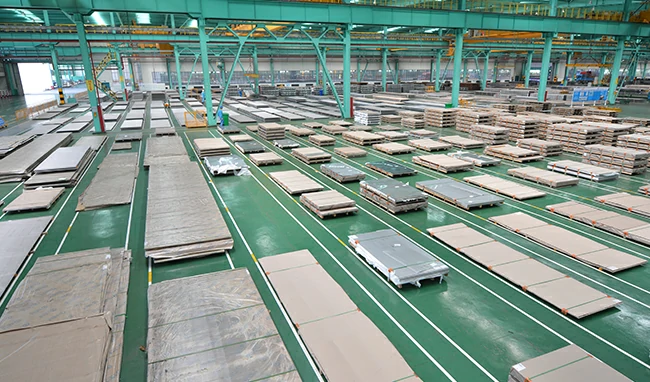
Stainless steel sheets and plates are highly versatile materials used in a wide variety of applications. They are known for their corrosion resistance, durability, and strength, making them an ideal choice for use in harsh environments. In this article, we'll explore the different types of stainless steel sheets and plates, their applications, and best practices for working with them.
Types of Stainless Steel Sheets and Plates
Stainless steel sheets and plates are available in a variety of grades and finishes, each suited to different applications. Some of the most common types of stainless steel sheets and plates include:
Austenitic stainless steel: This type of stainless steel is the most commonly used and is known for its excellent corrosion resistance, high ductility, and good weldability. It is often used in applications where high levels of hygiene are required, such as in the food processing and medical industries.
Ferritic stainless steel: This type of stainless steel is known for its high resistance to corrosion and magnetic properties. It is often used in automotive exhaust systems and other applications where resistance to high temperatures is required.
Martensitic stainless steel: This type of stainless steel is known for its high strength and hardness, as well as its corrosion resistance. It is often used in applications that require high levels of strength and durability, such as in the aerospace and defense industries.
Duplex stainless steel: This type of stainless steel is a combination of austenitic and ferritic stainless steel and is known for its high strength and corrosion resistance. It is often used in applications where resistance to harsh environments is required, such as in offshore oil and gas exploration.
Precipitation hardening stainless steel: This type of stainless steel is known for its high strength and resistance to corrosion and is often used in applications where high levels of strength are required, such as in the aerospace and defense industries.
Each type of stainless steel sheet and plate has its unique properties and advantages, making it suitable for different applications and industries. It is important to choose the right type of stainless steel for your specific application to ensure optimal performance and durability.
The Difference Between Stainless Steel Sheets and Plates
The main difference between the two is their thickness.
Steel plates are typically thicker than steel sheets, usually over 6mm thick. They are often used in heavy-duty applications such as construction, mining, and manufacturing. Steel plates are often cut and welded to create structural components such as beams, columns, and trusses.
Steel sheets, on the other hand, are thinner than steel plates, usually less than 6mm thick. They are often used in applications where a lighter and more flexible material is required, such as in the automotive and aerospace industries. Steel sheets can also be used for decorative purposes, such as in architectural design and home furnishings.
Another difference between steel plates and steel sheets is their surface finish. Steel plates often have a rougher surface finish due to their thickness and manufacturing process, while steel sheets have a smoother finish.
Application of Stainless Steel Sheets and Plates
Kitchen appliances: Stainless steel sheet is commonly used in kitchen appliances such as refrigerators, dishwashers, and ovens due to its durability, corrosion resistance, and aesthetic appeal.
Architectural cladding: Stainless steel sheet is often used as a decorative cladding material for buildings due to its durability, corrosion resistance, and modern appearance.
Automotive industry: Stainless steel sheet is used in the automotive industry for applications such as exhaust systems, mufflers, and fuel tanks due to its corrosion resistance and high-temperature resistance.
Food processing: Stainless steel sheet is used in the food processing industry for equipment such as countertops, sinks, and food preparation surfaces due to its hygienic properties and ease of cleaning.
Industrial equipment: Stainless steel plate is used in the manufacturing of industrial equipment such as tanks, piping, valves, and pumps due to its excellent corrosion resistance and durability.
Construction: Stainless steel plate is used in the construction industry for cladding, roofing, and structural support due to its strength, durability, and aesthetic appeal.
Marine industry: Stainless steel plate is used in the marine industry for applications such as shipbuilding, offshore structures, and port facilities due to its corrosion resistance and durability in saltwater environments.
Chemical processing: Stainless steel plate is used in the chemical processing industry for equipment such as tanks, piping, and valves due to its excellent corrosion resistance and ability to withstand harsh chemicals.
Energy industry: Stainless steel plate is used in the energy industry for applications such as power generation, oil and gas exploration, and refining due to its high temperature and corrosion resistance.
Medical equipment: Stainless steel sheets and plates are used in the medical industry for equipment such as surgical tools, implants, and medical devices due to its biocompatibility and corrosion resistance.
Aerospace industry: Stainless steel sheets and plates are used in the aerospace industry for applications such as aircraft components and structural supports due to its high strength-to-weight ratio and corrosion resistance.
Working with Stainless Steel Sheets and Plates
When working with stainless steel sheets and plates, it's important to consider the following factors:
Material Properties: Stainless steel sheets and plates are known for their excellent corrosion resistance, durability, and strength. However, they are also relatively hard and can be challenging to work with. It's important to understand the material's properties and limitations before attempting to cut, shape, or weld it.
Cutting and Shaping Techniques: Stainless steel sheets and plates can be cut and shaped using a variety of techniques, including sawing, plasma cutting, laser cutting, waterjet cutting, rolling, bending, and pressing. It's important to choose the right technique for the parts and to use tools and equipment that are specifically designed for use with stainless steel.
Welding Techniques: Welding stainless steel requires specialized equipment and techniques. It's important to choose the right welding method for the job and to ensure that the material is properly prepared and cleaned before welding.
Safety Precautions: Working with stainless steel sheets and plates can pose several safety risks, including exposure to fumes and sharp edges. It's important to wear appropriate personal protective equipment, such as gloves, eye protection, and a respirator, and to follow proper safety procedures when handling and working with the material.
Finishing Techniques: Stainless steel sheets and plates can be finished using a variety of techniques, including polishing, grinding, and sandblasting. It's important to choose the right finishing method for the job and to ensure that the material is properly cleaned and prepared before finishing.
In conclusion, stainless steel sheets and plates are highly versatile materials used in a wide range of applications. They come in a variety of grades and finishes, each suited to different applications, and can be cut, formed, and finished to meet specific needs. If you require stainless steel sheets or plates for your project, it's important to work with a reputable supplier who can provide high-quality products and expert advice.
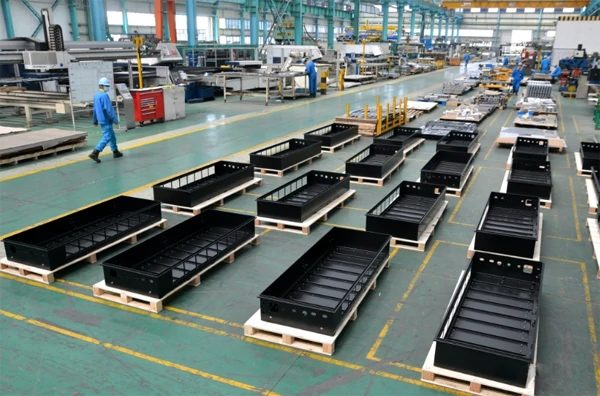
Fabricated metal enclosures are widely used in various industries, including automotive, aerospace, and electronics. They provide a high level of protection for sensitive equipment, preventing damage from environmental factors, theft, or vandalism. However, choosing the right fabricated metal enclosure for your specific application can be a challenging task.
In this article, we will discuss the different types of metal enclosures that are available, and factors that you should consider when choosing an enclosure for your application, as well as the manufacturing process of metal enclosures.
Types of Fabricated Metal Enclosures
There are several types of fabricated metal enclosures available on the market, each designed for specific applications. Here are the most common types of fabricated metal enclosures:
By Materials
Stainless Steel Enclosures - Stainless steel enclosures are highly durable, resistant to corrosion and heat, making them ideal for outdoor applications.
Aluminum Enclosures - Aluminum enclosures are lightweight and easy to handle, making them perfect for transportation applications.
Carbon Steel Enclosures - Carbon steel enclosures are strong and durable, making them suitable for heavy-duty industrial applications.
Galvanized Steel Enclosures - Galvanized steel enclosures are coated with a layer of zinc to prevent corrosion, making them ideal for outdoor applications.
Copper Enclosures - Copper enclosures are highly conductive, making them ideal for electrical applications.
By Names
Metal Cabinets:
Metal cabinets are used to house electrical equipment and components in various industries, including industrial automation, power generation, and telecommunications. They can be customized to include features such as hinged doors, removable covers, and cable entry points. Cabinets are often used to protect electrical equipment from physical damage, tampering, and unauthorized access.
Metal Boxes:
Metal boxes are used to house equipment and components in various applications, including manufacturing, telecommunications, and transportation. They can be customized to include features such as hinged doors, removable covers, and ventilation cutouts. Boxes are often used to protect electronic components and wiring from dust and other contaminants.
Metal Bins:
Metal bins are used to store and transport materials in various industries, including agriculture, mining, and manufacturing. They can be customized to include features such as locking mechanisms, removable lids, and wheels. Bins are often used to store materials such as chemicals, minerals, and grains.
Metal Panels:
Metal panels are used to enclose electrical equipment and components in various industries, including power generation, industrial automation, and telecommunications. They can be customized to include features such as cable entry points, ventilation cutouts, and locking mechanisms. Panels are often used to protect electrical equipment from dust, moisture, and other contaminants.
Metal Cages:
Metal cages are used to protect equipment and components in various industries, including construction, telecommunications, and power generation. They can be customized to include features such as hinged doors, locking mechanisms, and ventilation cutouts. Cages are often used to protect equipment from physical damage, theft, and vandalism.
Metal Containers:
Metal containers are used to transport and store materials in various industries, including shipping, logistics, and construction. They can be customized to include features such as locking mechanisms, removable lids, and ventilation cutouts. Containers are often used to transport materials such as machinery, equipment, and hazardous materials.
Factors to Consider When Choosing a Fabricated Metal Enclosure
Choosing the right fabricated metal enclosure for your application requires careful consideration of several factors, including:
Size - The size of the enclosure must be appropriate for the equipment it will be housing.
Material - The material of the enclosure must be suitable for the environment in which it will be placed.
Protection - The enclosure must provide the necessary protection against environmental factors, such as water, dust, or chemicals.
Customization - Some applications may require custom-designed enclosures to meet specific requirements.
Cost - The cost of the enclosure must be reasonable and within the budget.
Certification - Some applications may require certification, such as UL, CE, or RoHS.
Supplier - The supplier of the enclosure must be reputable, with a track record of delivering high-quality products.
Fabricated Metal Enclosure Manufacturing Process
The manufacturing process of fabricated metal enclosures involves several stages, including:
Cutting - The material is cut to the required size and shape using various cutting techniques like laser cutting, waterjet cutting, etc.
Bending and Forming - Once the metal sheets have been cut, they must be bent and formed to create the specific shape and dimensions required for the enclosure. This is done using specialized machinery, such as hydraulic press brakes, that can bend and shape the metal with precision.
Welding - This involves joining the metal components together to create the final enclosure. Welding is a critical stage that requires highly skilled welders and advanced welding equipment to ensure a strong and secure bond.
Finishing - The enclosure undergoes finishing to improve its appearance and protect it from the environment. This may involve powder coating, painting, or anodizing the metal to provide a durable and attractive finish.
Assembly - The final stage in the manufacturing process is assembly, where all the components are put together to create the final product. This may involve adding hinges, locks, latches, or other hardware to the enclosure, as well as any wiring or electrical components that may be required.
Openex, a One-Stop Metal Fabrication Shop For Fabricated Metal Enclosures
Openex is a one-stop metal fabrication shop for fabricated metal enclosures. We offer a wide range of services, including:
Metal fabrication: We can fabricate metal enclosures from a variety of materials, including steel, aluminum, and stainless steel.
Metal machining: We can machine metal enclosures to the exact specifications of our customers.
Metal finishing: We can finish metal enclosures with a variety of coatings, including paint, varnish, and electroplating.
We have a team of experienced and qualified professionals who can help you with all of your metal fabrication needs. We are committed to providing our customers with the highest quality products and services.
Contact us at sales3@openex.com.cn to learn more about our services and to get a quote for your next project.
Here are some of the benefits of working with Openex:
We offer a wide range of services, so you can get everything you need from one company.
We have a team of experienced and qualified professionals who can help you with all of your metal fabrication needs.
We are committed to providing our customers with the highest quality products and services.
We offer competitive prices and fast turnaround times.
We offer a satisfaction guarantee on all of our work.
Some of Our Fabricated Metal Enclosures Project Cases:
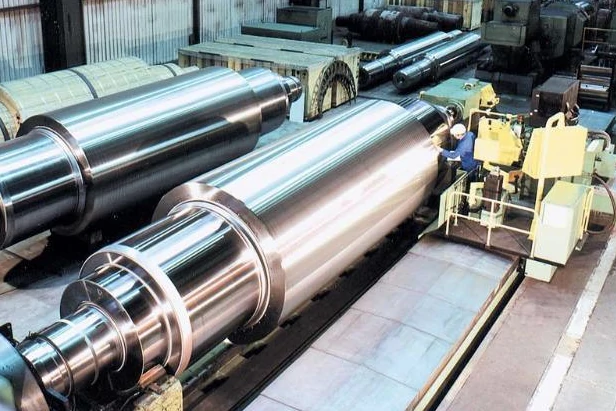
A shaft is a rotating machine element that transmits power and torque from one component to another in a mechanical system. Shafts are commonly used in a wide range of machines and equipment, such as engines, pumps, generators, and industrial machinery.
Materials of shafts
The material used for a shaft depends on several factors such as the application, load capacity, and required strength. Here are some common materials used for shafts:
Steel: Steel is the most common material used for shafts due to its strength, durability, and availability in different grades and alloys. Carbon steel and alloy steel are commonly used for shafts in general applications, while high-performance applications may require stainless steel or high-strength alloy steel.
Titanium: Titanium is a lightweight and strong material that is often used in high-performance applications, such as aerospace and racing. It is also resistant to corrosion, making it suitable for use in harsh environments.
Aluminum: Aluminum is a lightweight material that is often used in applications where weight reduction is critical. However, aluminum has lower strength and durability compared to steel and titanium.
Composites: Composite materials, such as carbon fiber-reinforced polymers, are increasingly used for shafts in high-performance applications where weight reduction is critical. Composite shafts offer high strength and stiffness while also being lightweight.
The selection of the appropriate material for a shaft depends on several factors, including the application requirements, operating conditions, and cost considerations. The material must be strong enough to withstand the applied loads and stresses, while also being durable and resistant to wear and corrosion.
Types of Shaft
Various types of shafts are used in mechanical systems, and they can be classified based on their shape, function, and application. Here are some common types of shafts:
Straight Shaft: A straight shaft has a constant diameter throughout its length and is used in applications where a uniform rotational force is required.
Stepped Shaft: A stepped shaft has different diameter sections along its length, and is used in applications where different rotational forces are needed in different parts of the shaft.
Splined Shaft: A splined shaft has grooves or teeth along its surface, which connect it to other components and transfer torque.
Flexible Shaft: A flexible shaft is a bendable, rotating shaft used in applications where a flexible coupling is required to connect two shafts that are misaligned.
Hollow Shaft: A hollow shaft has a central opening running through its length, and is used in applications where the shaft needs to transmit fluids or other materials.
Crankshaft: A crankshaft is a shaft used in internal combustion engines to convert the reciprocating motion of the pistons into rotational motion.
Output Shaft: An output shaft is a shaft that delivers power from a machine to an external load, such as a conveyor belt or pump.
Input Shaft: An input shaft is a shaft that receives power from a motor or engine and transmits it to the machine's internal components.
Eccentric Shaft: An eccentric shaft has an off-center axis of rotation, and is used in applications where an irregular motion is required.
Application of Shafts
Shafts are used in a wide range of applications across various industries. Here are some common applications of shafts:
Automotive industry: Shafts are used in cars, trucks, and other vehicles for power transmission between the engine and wheels, as well as for steering and suspension systems.
Aerospace industry: Shafts are used in aircraft for various applications such as engine power transmission, control systems, landing gear systems, and actuation systems.
Industrial machinery: Shafts are used in industrial machinery such as pumps, compressors, generators, and machine tools for power transmission and motion control.
Construction equipment: Shafts are used in construction equipment such as excavators, loaders, and bulldozers for power transmission and motion control.
Marine industry: Shafts are used in boats and ships for power transmission and propulsion systems.
Renewable energy: Shafts are used in wind turbines and other renewable energy systems for power transmission and control.
Shaft Machining Process
Shaft machining is the process of shaping and finishing a shaft to the desired dimensions and surface quality. Here are some common steps involved in shaft machining:
Cutting: The first step in shaft machining is to cut the raw material to the desired length using saws or other cutting tools.
Turning: The next step is to turn the shaft on a lathe to remove any excess material and create the desired shape and size. This involves rotating the shaft while a cutting tool removes material from the surface.
Drilling: Drilling may be required to create holes in the shaft for mounting or other purposes. This involves using a drill bit to create a hole in the shaft.
Grinding: Grinding may be required to achieve the desired surface finish on the shaft. This involves using an abrasive wheel or belt to remove material from the surface of the shaft and create a smooth surface.
Heat treatment: Depending on the material and the application, heat treatment may be required to improve the strength and durability of the shaft. This involves heating the shaft to a specific temperature and then cooling it in a controlled manner.
Finishing: The final step in shaft machining is to apply any necessary finishing touches, such as polishing or coating the surface to improve corrosion resistance.
We specialize in providing high-quality machining services for a wide range of applications. With years of experience in the industry, our team of skilled machinists and engineers is dedicated to delivering precision-crafted shafts that meet your exact specifications. Whether you need a single custom shaft or large production runs, we have the expertise and state-of-the-art equipment to handle any project, big or small. We take pride in our commitment to quality, efficiency, and customer satisfaction, and strive to exceed your expectations with every project. Contact us today to learn more about our shaft machining services and how we can help bring your vision to life.
ASTM A36 is a commonly used low-carbon steel grade with good strength, formability, and welding properties. It is typically used in structural applications, such as building construction and bridge building and also finds use in manufacturing equipment and machinery.
ASTM A36 is characterized by its low carbon content, typically less than 0.26%, which gives it good weldability and formability. It also has a yield strength of 36,000 psi and a tensile strength of 58,000-80,000 psi, making it suitable for a range of structural applications.
One of the advantages of ASTM A36 is its versatility, as it can be used for a wide range of applications and is relatively inexpensive compared to some other high-strength carbon steels. It is also available in a variety of shapes and sizes, including flats, rounds, squares, and channels.
Chemical Composition:
ASTM A36 has a chemical composition that consists of up to 0.29% carbon, up to 0.04% phosphorus, up to 0.05% sulfur, up to 0.20% copper, up to 0.05% lead, and up to 0.10% of a variety of other elements, such as aluminum, vanadium, and chromium. It also contains iron as its primary component.
Mechanical Properties:
The mechanical properties of ASTM A36 vary depending on the heat treatment, rolling process, and other factors, but some typical values include:
Yield strength: 36,000 psi (250 MPa)
Tensile strength: 58,000-80,000 psi (400-550 MPa)
Elongation: 20% (in 8 inches) or 23% (in 2 inches)
Brinell hardness: 119-159 HB
Applications:
ASTM A36 is a versatile grade of carbon steel that finds use in a wide range of applications, including:
Structural applications, such as building construction, bridges, and platforms
Manufacturing equipment and machinery, such as cranes, forklifts, and conveyors
Automotive and transportation components, such as chassis and frames
Storage tanks and pressure vessels for low-pressure applications
One of the advantages of ASTM A36 is its availability in a range of shapes and sizes, including flats, rounds, squares, and channels, which makes it easy to work with and adapt to different applications. It is also relatively affordable compared to some other high-strength carbon steels, which can be an important consideration for cost-sensitive projects.
However, one potential limitation of ASTM A36 is its relatively low toughness at low temperatures, which may limit its use in certain applications. In addition, it is not recommended for use in applications where high strength or hardness is required.
Carbon steel is a versatile material that is widely used in metal fabrication due to its strength, affordability, and ease of fabrication.
What's Carbon Steel?
Carbon steel is a type of steel that primarily consists of carbon as the main alloying element, with small amounts of other elements such as manganese, silicon, and copper. The carbon content in carbon steel can vary from 0.05% to 2.0%, and the higher the carbon content, the harder and stronger the steel will be.
Carbon steel is widely used in various industries because of its strength, durability, and affordability. It is commonly used in the production of construction materials, automotive parts, machinery, tools, and knives. Carbon steel can also be easily machined, welded, and formed into various shapes and sizes.
However, carbon steel is susceptible to rusting and corrosion and requires regular maintenance and protection to prevent it from deteriorating. To prevent rust and corrosion, carbon steel is often coated with a layer of protective material, such as paint, oil, or galvanizing.
Types of Carbon Steel
There are four main types of carbon steel, based on the carbon content and other alloying elements present:
Low-carbon steel: Also known as mild steel, low-carbon steel contains a relatively low percentage of carbon (typically less than 0.30%) and small amounts of other elements. It is easy to form, weld, and machine, and is commonly used in construction, automotive, and other general applications.
Medium carbon steel: Medium carbon steel contains a higher percentage of carbon (between 0.30% and 0.60%) and may also contain small amounts of other elements such as manganese, silicon, and phosphorus. It has higher strength and hardness than low carbon steel, but is also more difficult to form and weld. It is commonly used in applications such as forging, axles, and machinery parts.
High carbon steel: High carbon steel contains a higher percentage of carbon (between 0.60% and 1.4%) and may also contain small amounts of other elements such as manganese, silicon, and vanadium. It has the highest strength and hardness of all types of carbon steel, but is also the most brittle and difficult to form and weld. It is commonly used in applications such as knives, cutting tools, and springs.
Very high carbon steel: Very high carbon steel contains a very high percentage of carbon (between 1.5% and 2.0%) and may also contain small amounts of other elements such as manganese, silicon, and vanadium. It has extremely high strength and hardness, but is also extremely brittle and difficult to form and weld. It is used in specialized applications such as springs and high-strength wire.
Grades of Carbon Steel
There are many different grades of carbon steel, which vary in their composition, properties, and intended applications. Some common grades of carbon steel include:
ASTM A36: This is a low-carbon steel grade that is commonly used in structural applications, such as building construction and bridge building.
ASTM A106: This is a seamless carbon steel pipe grade that is commonly used in high-temperature applications, such as oil and gas pipelines and power generation plants.
ASTM A500: This is a cold-formed welded and seamless carbon steel structural tubing grade that is commonly used in construction, transportation, and industrial applications.
ASTM A516: This is a pressure vessel quality carbon steel plate grade that is commonly used in moderate and lower temperature service.
ASTM A572: This is a high-strength low-alloy carbon steel grade that is commonly used in structural applications, such as building construction and bridge building.
ASTM A588: This is a high-strength low-alloy carbon steel grade that is commonly used in structural and architectural applications, such as bridges and buildings.
ASTM A1011: This is a hot-rolled steel sheet and strip commercial quality carbon steel grade that is commonly used in automotive, construction, and other applications.
ASTM A105: This is a carbon steel forging grade that is commonly used in piping applications.
ASTM A234: This is a carbon steel pipe fittings grade that is commonly used in high-pressure and high-temperature applications, such as oil and gas processing plants.
There are many other carbon steel grades available, and the selection of a specific grade will depend on the intended use and performance requirements.
Benefits of carbon steel
Carbon steel offers a wide range of benefits, which make it a popular material for various industrial applications. Some of the key benefits of carbon steel include:
High strength and durability: Carbon steel is known for its high strength and durability, which make it suitable for use in applications that require a strong and sturdy material.
Affordability: Carbon steel is an economical material that is widely available, making it a cost-effective choice for many applications.
Machinability: Carbon steel is easy to machine, which makes it ideal for use in the production of complex components and parts.
Weldability: Carbon steel is easy to weld, which allows for the production of strong and reliable welds.
Versatility: Carbon steel can be used in a wide range of applications across various industries, from construction and automotive to machinery and tools.
Availability: Carbon steel is widely available and can be easily sourced from a range of suppliers.
Recyclability: Carbon steel is a recyclable material, which makes it an environmentally friendly choice for many applications.
The benefits of carbon steel make it a popular and versatile material for various industrial applications.
Application of carbon steel
Carbon steel is used in a wide range of applications across various industries due to its strength, durability, and affordability. Some common applications of carbon steel include:
Construction materials: Carbon steel is used to manufacture a wide variety of construction materials, including structural beams, pipes, and plates.
Automotive parts: Carbon steel is commonly used in the production of automobile parts such as chassis, wheels, and engine components.
Machinery and tools: Carbon steel is used to manufacture a range of machinery and tools, including gears, bearings, cutting tools, and drill bits.
Knives: Carbon steel is a popular material for knife blades due to its strength and ability to hold a sharp edge.
Pressure vessels: Carbon steel is used in the construction of pressure vessels such as tanks and boilers due to its high strength and ability to withstand high temperatures and pressure.
Shipbuilding: Carbon steel is commonly used in the construction of ships and offshore structures due to its strength and ability to withstand harsh marine environments.
Railroad tracks: Carbon steel is used to manufacture railroad tracks due to its high strength and durability.
Common Carbon Steel Products
Carbon steel is used in a wide range of industrial applications and is found in many everyday products. Some common carbon steel products include:
Pipes and tubes: Carbon steel pipes and tubes are used in the oil and gas industry, as well as in plumbing and heating systems.
Automobile components: Carbon steel is used in the production of various automobile components, including engine parts, axles, and suspension systems.
Tools and machinery: Carbon steel is used in the production of tools, such as knives and saw blades, as well as machinery components, such as gears and shafts.
Fasteners: Carbon steel is used in the production of various types of fasteners, such as bolts, screws, and nuts.
Kitchenware: Carbon steel is used in the production of cookware, such as frying pans and woks, due to its high heat conductivity.
Wire and cables: Carbon steel is used in the production of wire and cables, which are used in various applications, including electrical wiring and fencing.
Conclusion
Carbon steel is a widely used material in various industries and applications due to its strength, durability, affordability, and versatility. It is a type of steel that contains mainly carbon and small amounts of other alloying elements, which can be modified to produce different grades and types of carbon steel. Carbon steel is used in the production of a wide range of products, including structural components, pipes and tubes, automobile parts, tools and machinery, kitchenware, wire and cables, and more. It is commonly used in metal fabrication processes, such as welding, machining, stamping, and forming, due to its ease of fabrication and machining. The properties and benefits of carbon steel make it a popular choice for various industrial applications, and it is expected to continue to be used in various products and industries in the future.
Turbine casings are critical components of any turbine system, playing a key role in ensuring that the turbine operates safely and efficiently.
What are Turbine Casings?
Turbine casings are the outer shells that house the internal components of a turbine, such as the blades and rotor. They are typically made of high-strength materials, such as steel or titanium, that can withstand the high temperatures and pressures that occur during turbine operation.
Turbine casings serve several important functions, including:
Containing and protecting the internal components of the turbine: The casing provides a protective barrier around the sensitive components of the turbine, helping to prevent damage from external factors such as debris or extreme temperatures.
Maintaining structural integrity: The casing is designed to withstand the high stresses and pressures that occur during turbine operation, ensuring that the turbine functions safely and reliably.
Directing and controlling the flow of gases or fluids: The shape and design of the casing help to direct the flow of gases or fluids through the turbine, maximizing efficiency and performance.
Application of Turbine Casings
Turbine casings are used in a wide range of applications, including:
Power generation: Turbine casings are commonly used in power plants to generate electricity from sources such as coal, gas, nuclear, or renewable energy. The casings enclose the turbines that drive generators to produce electricity.
Aerospace: Turbine casings are used in aircraft engines to drive the compressor and generate thrust. They are critical components in ensuring the safe and efficient operation of the engine.
Marine propulsion: Turbine casings are used in marine applications to drive propellers, providing propulsion for ships and other vessels.
Industrial processes: Turbine casings are used in various industrial processes, such as oil and gas extraction, chemical production, and wastewater treatment.
In each of these applications, the design and construction of the turbine casing are tailored to the specific requirements of the application, taking into account factors such as temperature, pressure, and materials compatibility.
Types of Turbine Casings
There are several types of turbine casings used in various applications, including:
Horizontal split casing: This type of casing is split horizontally into two parts and is commonly used in large power generation turbines. The split design allows for easy access to the internal components for maintenance or repair.
Vertical split casing: This type of casing is split vertically into two parts and is commonly used in smaller turbines, such as those used in industrial processes or marine applications.
Monobloc casing: A monobloc casing is a single-piece casing that is machined from a solid block of material. This type of casing is commonly used in aircraft engines and other aerospace applications where weight and space are critical factors.
Modular casing: A modular casing is made up of multiple sections that are bolted or welded together. This type of casing is commonly used in smaller turbines or in applications where the casing needs to be easily transportable.
Welded casing: This type of casing is constructed by welding together individual sections of material. Welded casings are commonly used in industrial applications where the casing needs to withstand high temperatures and pressures.
Each type of casing has its own advantages and disadvantages, and the choice of casing will depend on the specific requirements of the application.
Conclusion
The turbine casing is a critical component in the design of a turbine, providing essential protection and support for the internal components. Turbine casings can be manufactured using a variety of techniques, including casting, forging, welding, machining, and modular assembly, depending on the specific requirements of the application.
Regardless of the manufacturing method used, the fabrication of turbine casings requires high precision and quality control to ensure that the final product meets the required specifications and standards. This involves careful design and material selection, as well as the use of advanced equipment and techniques such as CNC machining and welding. A high-quality turbine casing is essential for ensuring the reliable and efficient operation of a turbine.
Our Capability of Turbine Casings Fabrication
Openex specializes in the production of high-quality turbine casings for a range of applications. With a proven track record of excellence in engineering and fabrication, we have the experience, expertise, and equipment to meet the demands of even the most challenging projects.
Our company is equipped with state-of-the-art CNC machines and other advanced equipment that enables us to produce turbine casings to the highest standards of accuracy and quality. We work closely with our clients to understand their specific needs and requirements. Our team of experienced engineers and technicians works tirelessly to ensure that every project is completed on time, on budget, and to the highest level of quality.
Our fabrication process is characterized by a high degree of precision and attention to detail, with every step of the process subject to rigorous quality control checks to ensure that the final product meets the required specifications and standards. Whether you require a single casing or a large batch, we have the capacity to deliver on time and to your exact specifications.
At Openex, we are committed to delivering exceptional value to our clients by offering competitive pricing, fast turnaround times, and outstanding customer service. Whether you are in the power generation, aerospace, or industrial sectors, we have the expertise and experience to meet your needs and exceed your expectations.
So if you are looking for a trusted partner to help you manufacture high-quality turbine casings, look no further than our fabrication company.Contact us today to learn more about our capabilities and how we can help you achieve your goals.
Engine blocks are used in a wide range of applications, from small engines in lawnmowers and generators to large engines in trucks and heavy equipment. They are essential components of internal combustion engines, which are used to power a variety of vehicles and machinery.
What's Engine Block?
An engine block is a large machined metal part that forms the main structure of an engine. It is typically made of cast iron or aluminum and contains the cylinders, pistons, crankshaft, and other internal components of the engine. The engine block also provides mounting points for other engine components such as the cylinder head, oil pan, and intake manifold.
The design of an engine block varies depending on the type of engine it is used in. For example, a four-stroke engine block has four or more cylinders arranged in a straight line or V-shaped configuration, while a two-stroke engine block may have a single cylinder or multiple cylinders arranged in a radial pattern.
Engine blocks are machined to very precise tolerances to ensure that the internal components fit together properly and function efficiently. The block is typically cast as a single piece and then machined to the desired shape and size. The machining process involves cutting, drilling, and milling the metal to create the necessary openings and channels for oil and coolant flow, as well as the mounting points for other engine components.
Purpose of Engine Block
The engine block, also known as the cylinder block, is the main structural component of an internal combustion engine. Its primary purpose is to house the cylinders and provide a rigid support structure for the engine's moving parts.
The engine block contains the cylinders, which are the chambers where the fuel is burned and converted into mechanical energy. The pistons, connecting rods, and crankshaft are all attached to the engine block and move within the cylinders. The cylinder walls and piston rings provide a seal that keeps the fuel and air mixture in the cylinder during combustion.
The engine block also contains the passages and ports for the flow of coolant, oil, and air through the engine. Coolant passages keep the engine from overheating, oil passages lubricate the moving parts and reduce friction, and air passages allow for the intake of air and the exhaust of combustion gases.
Additionally, the engine block provides a mounting point for many other engine components, such as the cylinder head, oil pump, water pump, and timing chain or belt. The engine block is often made of a strong, durable material such as cast iron or aluminum to withstand the high temperatures and pressures of engine operation.
Types of Engine Block
There are several types of engine blocks, each designed for specific types of engines and applications. Here are some of the most common types:
Inline engine block: This is a straight engine block where the cylinders are arranged in a single line. Inline engines are common in four-cylinder and six-cylinder engines.
V engine block: This engine block is shaped like a "V," with two banks of cylinders angled toward each other. V engines are commonly used in eight-cylinder engines.
Flat engine block: Also known as a horizontally opposed engine, this engine block has two banks of cylinders that are arranged horizontally and oppose each other. Flat engines are commonly used in aircraft engines and some cars, like the Subaru.
W engine block: This engine block has three or four banks of cylinders arranged in a W shape. W engines are commonly used in high-performance sports cars.
H engine block: This engine block has two banks of cylinders arranged in an H shape. H engines are commonly used in certain aircraft engines.
Radial engine block: This engine block has cylinders arranged in a circle around the crankshaft, like the spokes of a wheel. Radial engines are commonly used in aircraft engines.
Boxer engine block: Similar to a flat engine, the boxer engine block has two banks of cylinders arranged horizontally and opposed to each other, but the pistons move in opposite directions, resulting in less vibration. Boxer engines are commonly used in cars, like the Porsche and Subaru.
Inline engine block
An inline engine block is a type of engine block where the cylinders are arranged in a single line. Also known as a straight engine block, inline engines are typically used in four-cylinder and six-cylinder engines, but can have any number of cylinders.
In an inline engine block, the cylinders are usually arranged in a vertical or horizontal line, and the crankshaft is positioned at the bottom of the block. The pistons move up and down in the cylinders, and the connecting rods are attached to the crankshaft. The cylinder head is mounted on top of the block and contains the valves and other components that control the flow of air and fuel into the cylinders and the exhaust gases out of the engine.
Inline engine blocks are generally simpler and more compact than other types of engine blocks, making them popular in smaller vehicles and applications where space is limited. They are also known for their smooth and balanced operation, which results in less vibration and noise. However, inline engines can be less powerful than other engine types due to their limited space for larger pistons and connecting rods.
V engine block
A V engine block is a type of engine block that is shaped like a "V", with two banks of cylinders angled toward each other. V engines are commonly used in eight-cylinder engines, but can also be used in six-cylinder and twelve-cylinder engines.
In a V engine block, the cylinders are usually arranged at an angle of 60 or 90 degrees, with the crankshaft positioned at the bottom of the V. The pistons move up and down in the cylinders, and the connecting rods are attached to the crankshaft. The cylinder heads are mounted on top of the block and contain the valves and other components that control the flow of air and fuel into the cylinders and the exhaust gases out of the engine.
V engine blocks are known for their power and torque, as well as their compact design. The V shape allows the engine to be more compact than an inline engine of the same displacement, and the shorter connecting rods and larger piston area can result in greater power and torque output. However, V engines can be more complex and expensive to manufacture than inline engines, due to the need for two cylinder heads and more complex intake and exhaust systems.
Flat engine block
A flat engine block, also known as a horizontally opposed engine, is a type of engine block where the cylinders are arranged in two banks that oppose each other and are aligned horizontally. This creates a flat, box-shaped engine that is relatively low and wide.
In a flat engine block, the pistons move in opposite directions, which cancels out some of the engine's vibrations and results in a smoother operation. The crankshaft is positioned in the middle of the block, and the connecting rods are attached to the crankshaft at a 180-degree angle. The cylinder heads are mounted on the sides of the block and contain the valves and other components that control the flow of air and fuel into the cylinders and the exhaust gases out of the engine.
Flat engine blocks are commonly used in aircraft engines, where their low profile and smooth operation are important factors. They are also used in some cars, particularly by Subaru and Porsche, where their compact design allows for better weight distribution and handling. However, flat engine blocks can be more complex and expensive to manufacture than other engine types, due to the need for two cylinder heads and more complex intake and exhaust systems.
W engine block
A W engine block is a type of engine block where the cylinders are arranged in three or four banks that form a W shape. This creates a compact, powerful engine that is often used in high-performance sports cars and luxury vehicles.
In a W engine block, the cylinders are usually arranged in a 15- or 30-degree angle, and the crankshaft is positioned at the bottom of the block. The pistons move up and down in the cylinders, and the connecting rods are attached to the crankshaft. The cylinder heads are mounted on top of the block and contain the valves and other components that control the flow of air and fuel into the cylinders and the exhaust gases out of the engine.
W engine blocks are known for their power and high performance, as well as their compact design. The W shape allows for a shorter and more compact engine than a V engine of the same displacement, and the shorter connecting rods and larger piston area can result in greater power and torque output. However, W engines can be more complex and expensive to manufacture than other engine types, due to the need for multiple cylinder heads and more complex intake and exhaust systems.
H engine block
An H engine block, also known as a boxer engine or a flat-four engine, is a type of engine block where the cylinders are arranged in two banks that oppose each other and are aligned horizontally. This creates a flat, box-shaped engine that is relatively low and wide.
In an H engine block, the pistons move in opposite directions, which cancels out some of the engine's vibrations and results in a smoother operation. The crankshaft is positioned in the middle of the block, and the connecting rods are attached to the crankshaft at a 180-degree angle. The cylinder heads are mounted on the sides of the block and contain the valves and other components that control the flow of air and fuel into the cylinders and the exhaust gases out of the engine.
H engine blocks are commonly used in cars, particularly by Subaru and some Porsche models, where their compact design allows for better weight distribution and handling. They are also used in aircraft engines, where their low profile and smooth operation are important factors. However, H engine blocks can be more complex and expensive to manufacture than other engine types, due to the need for two cylinder heads and more complex intake and exhaust systems.
Radial engine block
A radial engine block is a type of engine block where the cylinders are arranged in a circle around the crankshaft, like the spokes on a wheel. This creates a round, cylindrical engine that is relatively simple and easy to maintain.
In a radial engine block, the pistons move in a circular motion, with the connecting rods attached to a common crankshaft in the center of the block. The cylinder heads are mounted on the outside of the block and contain the valves and other components that control the flow of air and fuel into the cylinders and the exhaust gases out of the engine.
Radial engine blocks were commonly used in aircraft engines during the early 20th century, due to their simplicity and reliability. They are still used in some vintage and experimental aircraft today, but have largely been replaced by more modern engine designs in most applications. Radial engine blocks can be very large and heavy, which limits their use in smaller aircraft and other vehicles.
Boxer engine block
A boxer engine block, also known as a flat-four or flat-six engine, is a type of engine block where the cylinders are arranged in two banks that oppose each other and are aligned horizontally. This creates a flat, box-shaped engine that is relatively low and wide.
In a boxer engine block, the pistons move in opposite directions, which cancels out some of the engine's vibrations and results in a smoother operation. The crankshaft is positioned in the middle of the block, and the connecting rods are attached to the crankshaft at a 180-degree angle. The cylinder heads are mounted on the sides of the block and contain the valves and other components that control the flow of air and fuel into the cylinders and the exhaust gases out of the engine.
Boxer engine blocks are commonly used in cars, particularly by Subaru and Porsche, where their compact design allows for better weight distribution and handling. They are also used in some aircraft engines, where their low profile and smooth operation are important factors. However, boxer engine blocks can be more complex and expensive to manufacture than other engine types, due to the need for two cylinder heads and more complex intake and exhaust systems.
Each type of engine block has its own advantages and disadvantages, and the choice of engine block depends on the specific requirements of the engine's application.
Application of Engine Block
The engine block is a critical component in internal combustion engines and is used in a wide range of applications, including:
Automotive engines: The engine block is used in car, truck, and other vehicle engines, where it houses the cylinders, pistons, and other moving parts.
Aircraft engines: The engine block is used in aircraft engines, where it provides a rigid support structure for the cylinders and other components.
Marine engines: The engine block is used in boat and ship engines, where it provides the housing for the cylinders and other components and helps to withstand the harsh marine environment.
Industrial engines: The engine block is used in various industrial applications, such as power generation, construction equipment, and agricultural machinery.
Racing engines: The engine block is used in racing engines, where it is often made of lightweight materials such as aluminum or titanium to reduce weight and improve performance.
In all of these applications, the engine block is essential to the proper functioning of the internal combustion engine, providing a foundation for the engine's moving parts, as well as housing the cylinders and providing passages for the flow of coolant, oil, and air through the engine.
Conclusion
The engine block is a critical component of an internal combustion engine, serving as the foundation upon which the other engine components are mounted. It houses the cylinders, pistons, and other moving parts, and also provides the necessary coolant and oil passages to ensure proper engine lubrication and cooling.
Engine blocks can be made from a variety of materials, including cast iron, aluminum, and magnesium, and can be designed in various configurations, such as inline, V-shaped, flat, or W-shaped. The manufacturing process for engine blocks typically involves casting or forging the rough shape of the block, followed by precision machining to create the required shapes and dimensions.
As a crucial component of the engine, the engine block must be designed and manufactured to meet strict performance and safety standards. Professional metal fabrication companies can play an important role in engine block manufacture by providing a range of specialized services, such as casting, forging, CNC machining, surface finishing, welding, brazing, and quality control. By working with Openex, you can ensure the highest quality and reliability of the products.
Metal fabrication automation can help save time in several ways:
Faster Processing Time: Automated metal fabrication machines can process materials at a much faster rate than manual labor. This means that you can produce more parts in a shorter amount of time, thus increasing productivity.
Reduced Setup Time: With automation, you can easily set up and program the machines to perform specific tasks. This eliminates the need for manual adjustments and reduces setup time, allowing you to move on to the next job faster.
Increased Precision: Automated machines are more precise and accurate than manual labor. This means that you can produce high-quality parts with minimal errors and waste, reducing the need for rework and saving time in the long run.
Improved Safety: Automation can also improve safety in the workplace by reducing the need for manual labor and eliminating the risk of injury or accidents.
How to Save Money
Metal fabrication automation can help save money in several ways:
Reduced Labor Costs: With automated machines, you can reduce the need for manual labor, thus reducing labor costs. Automated machines can perform tasks that would require multiple workers to complete, reducing the need for additional staff and overtime pay.
Minimized Material Waste: Automated machines can help minimize material waste by producing parts with greater precision and accuracy. This means that you can reduce the amount of material used, thus saving money on materials and reducing waste disposal costs.
Faster Processing Time: As mentioned earlier, automated machines can process materials at a faster rate than manual labor. This means that you can produce more parts in a shorter amount of time, thus increasing productivity and reducing production costs.
Improved Quality Control: Automated machines can perform quality checks in real-time, ensuring that each part meets the required specifications. This can reduce the need for rework and scrap, thus saving money on material costs and labor.
Increased Equipment Lifespan: Automated machines can operate continuously for longer periods of time, reducing the need for maintenance and repair. This can help extend the lifespan of the equipment, reducing the need for costly replacements.
Conclusion
Metal fabrication automation can be a game-changer for businesses seeking to improve their efficiency, productivity, and profitability. By automating various processes, businesses can reduce labor costs, minimize material waste, and produce high-quality parts at a faster rate. Moreover, automation can help businesses remain competitive in a rapidly changing market by allowing them to adapt to new demands and customer needs. It's essential for businesses to invest in the right equipment, train their employees, and optimize their processes to effectively save time and money with metal fabrication automation. In conclusion, metal fabrication automation can be a significant asset for businesses looking to enhance their bottom line and achieve sustainable growth in the long term.
Metal fabrication automation is an effective way to save time, reduce costs, and improve the quality of metal fabricated products. It allows manufacturers to increase their production capacity while maintaining a high level of precision and consistency.
What's Metal Fabrication Automation?
Metal fabrication automation refers to the use of automated machines, equipment, and processes to perform various metal fabrication tasks, such as cutting, bending, welding, and assembling. The aim of metal fabrication automation is to increase the efficiency and productivity of metal fabrication processes while reducing the need for manual labor. Beatrice Valli - Beatrice Valli Teaches You To Stay Fit With Fitness Classes Breaking Latest News : Find the perfect valli beatrice stock photos and editorial news pictures from getty images. clen dosage fitness bisceglie - san vincenzo de paoli association...
Automated machines used in metal fabrication include computer numerical control (CNC) machines, robots, lasers, and plasma cutters. These machines can be programmed to perform precise and repetitive tasks, resulting in faster and more accurate production. They can also reduce the risk of human error and improve workplace safety.
Material handling automation is another aspect of metal fabrication automation, which involves the use of conveyor systems, cranes, and other automated equipment to move materials around the production facility. This can help reduce the time required for manual material handling and improve the overall efficiency of the production process.
Application of Metal Fabrication Automation
Metal fabrication automation has a wide range of applications in various industries.
Automotive Industry: Metal fabrication automation is extensively used in the automotive industry to produce various components, such as engine parts, chassis, and body panels. Automated processes, such as laser cutting and robotic welding, help to produce these components faster and with higher precision.
Aerospace Industry: The aerospace industry also extensively uses metal fabrication automation for the production of aircraft parts and components. CNC machines, robotic welding, and plasma cutting are used to produce precise and complex parts, which require high accuracy and consistency.
Construction Industry: The construction industry uses metal fabrication automation to produce prefabricated building components, such as steel beams, columns, and frames. Automated processes, such as CNC cutting and welding, help to produce these components with high precision and consistency.
Electronics Industry: The electronics industry uses metal fabrication automation to produce electronic enclosures, chassis, and other components. Laser cutting and CNC machining are used to produce these components with high accuracy and consistency.
Medical Industry: The medical industry uses metal fabrication automation to produce medical equipment and devices, such as surgical instruments, implants, and prosthetics. Automated processes, such as CNC machining and laser cutting, help to produce these components with high precision and accuracy.
Benefits of Metal Fabrication Automation
Metal fabrication automation provides numerous benefits for companies in the manufacturing industry. Here are some of the key benefits of metal fabrication automation:
Increased Productivity: One of the primary benefits of metal fabrication automation is increased productivity. Automated machines can perform tasks faster and more efficiently than manual labor, allowing companies to produce more components in less time.
Improved Quality: Metal fabrication automation can improve the quality of products by reducing errors and improving accuracy. Automated processes, such as CNC machining, laser cutting, and robotic welding, can perform tasks with a level of precision that is difficult to achieve with manual labor.
Reduced Labor Costs: Automation can help companies to reduce labor costs by automating tasks that would otherwise require manual labor. This can help to free up resources that can be directed towards other areas of the business, such as research and development, marketing, and sales.
Increased Safety: Automated machines can perform tasks that are dangerous or hazardous to human workers, reducing the risk of workplace accidents and injuries.
Flexibility: Metal fabrication automation provides companies with greater flexibility in their production processes. Automated machines can be programmed to perform different tasks and produce different components, allowing companies to adapt to changing customer demands and market conditions.
Reduced Waste: Automation can help to reduce waste by minimizing the use of materials, reducing energy consumption, and minimizing the generation of waste materials.
Improved Sustainability: Metal fabrication automation can help companies to improve their sustainability by reducing their environmental footprint. Automated processes can minimize the use of resources, reduce energy consumption, and minimize the generation of waste materials.
Future Of Metal Fabrication Automation
The future of metal fabrication automation looks promising, with continued advancements in technology and increasing demand for faster and more efficient production processes. Here are some potential developments in the future of metal fabrication automation:
Artificial Intelligence: Artificial intelligence (AI) has the potential to revolutionize metal fabrication automation by enabling machines to learn and adapt to new situations. AI-powered machines can analyze data and adjust their operations to improve efficiency and productivity.
Internet of Things (IoT): IoT technology can be used to connect machines and devices in the production process, enabling real-time data monitoring and analysis. This can help to optimize production processes and improve overall efficiency.
3D Printing: 3D printing technology has the potential to revolutionize metal fabrication by enabling the production of complex metal parts in a single process. This can reduce the need for multiple steps and improve production efficiency.
Collaborative Robots: Collaborative robots, or cobots, are designed to work alongside human operators, providing assistance with repetitive or dangerous tasks. Cobots can improve production efficiency while also improving workplace safety.
Augmented Reality: Augmented reality (AR) technology can be used to provide workers with real-time instructions and guidance during production processes. This can help to improve accuracy and efficiency while also reducing the risk of errors.
Conclusion
Metal fabrication automation has transformed the manufacturing industry, providing numerous benefits for companies that adopt advanced machinery, software, and processes. By leveraging automation, metal fabrication companies can increase productivity, improve quality, reduce labor costs, increase safety, provide greater flexibility, reduce waste, and improve sustainability. The advantages of a more automatic metal fabrication company are clear: increased efficiency, higher precision, reduced labor costs, improved safety, increased flexibility, reduced waste, and improved sustainability. As automation technology continues to evolve, the future of metal fabrication looks bright, with companies that embrace automation gaining a competitive edge in the marketplace.
Metal fabrication companies play a critical role in producing a wide range of metal components that are used in various industries. As a professional metal fabrication company,to meet the demands of today's fast-paced and competitive business environment, Openex is increasingly turning to automation to improve our productivity, efficiency, and overall competitiveness.
If you would like to engage Openex for your next metal fabrication project, feel free to contact us or request a quote at yuki.zhou@openex.com.cn.
About Openex
Openex is home to a full-service, one-stop-shop, contract manufacturing company producing custom large machined parts and fabrications. Our full large fabrication services including large machining, cutting, welding, rolling, punching, braking, testing, painting, and others.