
When the doors open for METALCON 2025, the premier event for the metal construction and fabrication industry, attendees will find more than just new products and machinery. The show floor will be a showcase of industry evolution, with a focus on technology, efficiency, and scale. Among the key player to expect will be Openex, an Innovtive Player of Large Fabrication that has built its reputation on engineering excellence and a passion for tackling complex, large-scale projects. Their presence at METALCON is a testament to their position as a forward-thinking leader in a sector undergoing rapid transformation.
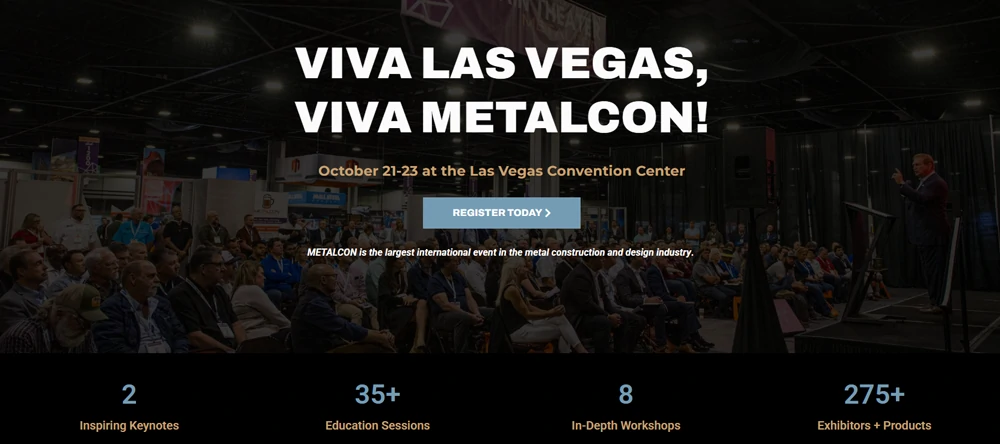
METALCON stands as a cornerstone event for the metal construction industry, bringing together fabricators, engineers, architects, and contractors from across the globe. Scheduled for late 2025, the event will serve as a critical platform for showcasing the latest innovations that are redefining how metal is used in everything from skyscrapers to industrial facilities. The show’s core focus is on the entire metal construction lifecycle, and this year’s exhibits will highlight several key industry trends that are driving change.
First and foremost is the rise of automation and robotics in manufacturing processes, driven by rising consumer demands for faster, more precise, and safer manufacturing processes. Companies have responded by investing in automated cutting, welding and material handling systems at METALCON; visitors will witness robotic welders performing complex joint work to millimeter-level accuracy while integrated software streamlines fabrication processes; these technologies not only increase productivity but also promote worker safety by taking over repetitive or dangerous tasks that they would normally have to complete themselves.
Another major trend is the ongoing integration of digital solutions. Building Information Modeling (BIM) has become a standard in the construction industry, and at METALCON, you will see how fabrication companies are using BIM to create digital twins of components and entire structures. This allows for early-stage design optimization, clash detection, and more accurate planning, reducing on-site errors and material waste. This shift from physical to digital workflows is a game-changer for project management and coordination, especially for large-scale, complex projects.
Sustainability is no longer a buzzword but a fundamental business practice. The metal construction industry is uniquely positioned to lead in this area, given that steel and aluminum are highly recyclable materials. At METALCON, attendees will learn about new eco-friendly coatings, energy-efficient production processes, and innovative ways to minimize waste. The event provides a forum for discussing how companies can reduce their environmental footprint while maintaining a competitive edge.
Finally, the focus on material innovation will be front and center. Exhibitors will showcase new alloys and high-performance steels that offer a better strength-to-weight ratio, allowing for more efficient designs and reduced material usage. These advancements are crucial for a company like Openex, which specializes in large-scale structures where material properties directly impact performance and safety. METALCON provides the perfect backdrop for exploring these innovations and understanding their real-world applications.
Openex has built up an outstanding reputation over two decades as a custom manufacturer of large-scale steel industrial equipment and weldments, and has earned itself a solid standing among major industrial projects for quality, reliability and complexity. While other manufacturers focus on single fabrication procedure only, Openex prides itself in offering services of higher complexity such as contract manufacturing, comprehensive fabrication and also automation from production to inspection.
Openex's success lies with its highly talented and dedicated team. This includes experienced project managers who facilitate seamless communication and execution; expert fitters/welders who bring designs to life precisely; as well as machinists/QA personnel ensuring every part meets stringent standards. Openex prides itself on taking this team-based approach when building complex industrial equipment - combined with genuine passion for industrial production processes - enabling it to consistently provide exceptional value for its customers. They understand that success of any project goes far beyond mere completion; rather, success must also involve timely delivery on schedule of what was intended.

Openex’s services, centered on Large Fabrication, are essential to a diverse range of sectors. Energy companies rely heavily on fabricators for the massive structural components fabrication used in power plants, wind turbines and offshore oil platforms - their work providing vital machinery with housing as well as withstanding extreme environmental conditions. Heavy machinery firms use them for foundational weldments of mining rigs, cranes and construction vehicles - these foundational weldments must provide strength and durability without compromise. Their products also play an essential part in infrastructure projects like bridges, dams or major building construction requiring large components with unparalleled structural integrity to be made.
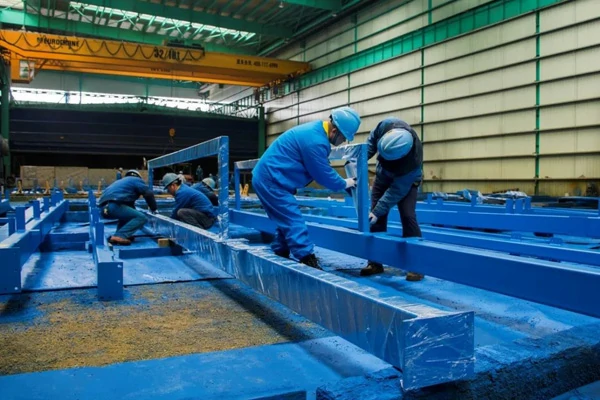
Openex has recently demonstrated its capabilities through a client case for a global leader in mining. This company needed large-scale steel chassis custom made to their exacting requirements for earth moving equipment that needed precise welding under immense stress. Openex utilized advanced fabrication techniques and stringent quality control measures to deliver an outstanding batch of chassis that exceeded performance and safety requirements while simultaneously solidifying a long-term relationship and demonstrating its ability to handle even the most challenging applications.
Openex was hired as part of a major infrastructure project in the US to fabricate steel barriers, steel fence on the bridge, which required meticulous planning, cutting, welding and inspection before delivery. Their experienced project managers worked in close coordination with client engineers to ensure every stage was flawlessly executed - from design, material selection through fabrication and delivery. Their ability to fulfill such an essential and highly visible contract stands as testimony to both their craftsmanship and project management expertise. Openex understands American industrial standards such as ASTM, combined Chinese industrial standard GBT from material to final step,especially, in the stage of material, the big difference between these two countries is imperial and metric system. Openex provide all details of the GBT, including the steel material grade, dimension serials, chemical composition and mechanical properties etc. for American designer to cross reference. Some design modification works can be assigned to Openex’s engineer(s) to complete.
The future of Large Fabrication is being shaped by the very trends on display at METALCON. Openex is well-positioned to lead this charge, leveraging its experience and a strategic investment in modern technology. By combining time-honored craftsmanship with advanced digital and automated manufacturing processes, they are not just meeting industry standards—they are setting new ones. As a trusted partner for major industrial clients around the world, Openex stands ready to take on the most complex and challenging projects. Their presence at METALCON is a clear signal that this Key Player of Large Fabrication is poised for a future of continued growth and innovation.
For more information about Openex’s services and projects, please visit: https://www.cncmetalworking.com/
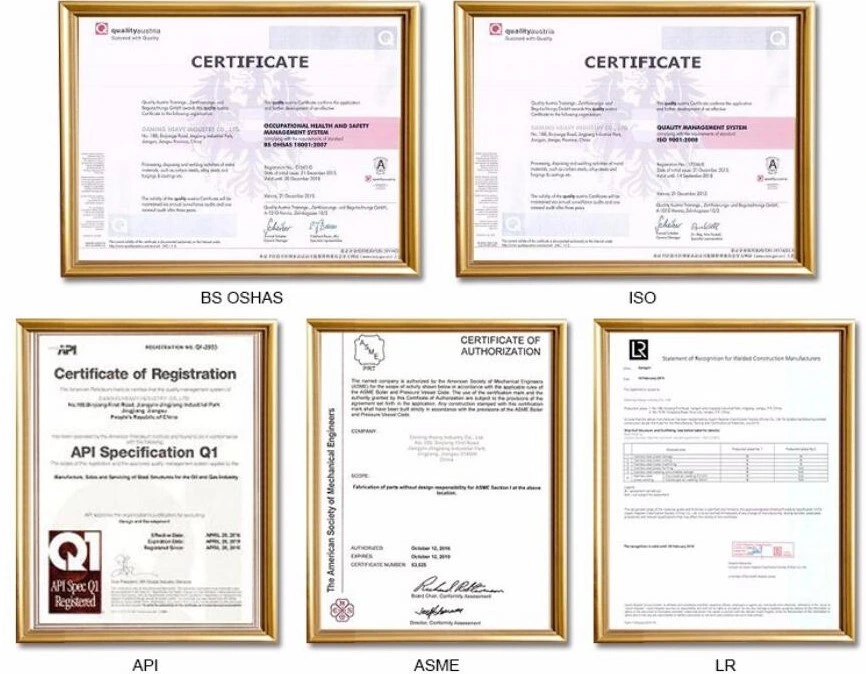
In a world where industrial projects are becoming more complex and larger, the demand for safety and precision has never been higher. Openex, a custom large fabrication suppler that is one of the leading companies in its field, has reached an important milestone with its ASME certification. Openex is pleased to announce its achievement. It is a testament to the company's operational excellence. This achievement also communicates to the market the commitment of the company to provide products that meet the highest standard. Openex specializes in the fabrication and machining of large metal components, including steel weldments. Openex offers custom-made solutions for industries requiring safety and reliability. This certification confirms that it is a partner with the highest level of quality and capability to handle the most critical and demanding fabrication projects.
What is ASME certification?
ASME certifications are widely recognized as being the gold standard in pressure vessels, boilers and other engineered parts. This is a rigorous certification process that certifies a company’s compliance with a comprehensive set rules and guidelines for design, materials and fabrication. It also includes inspection and testing. This certification can be a game-changer for a company such as Openex that specializes in high-value and large-scale projects.
A Global Standard for Safety and Quality
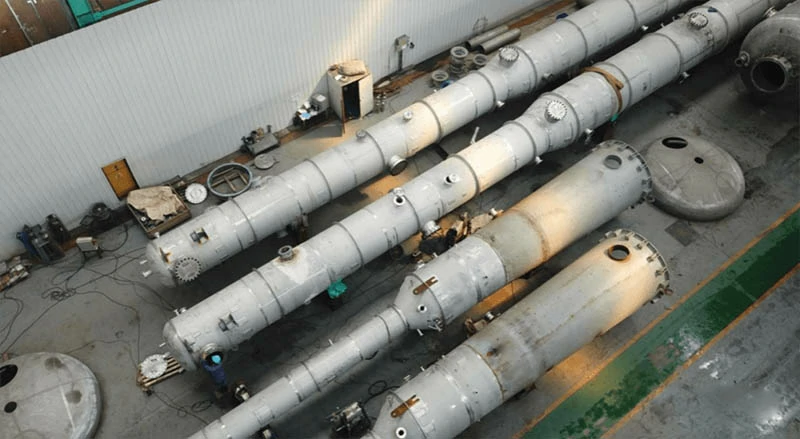
Openex’s partner DMSCC had to undergo an audit of its quality management system to achieve this certification. This included a thorough review of everything from engineering practices, welding procedures and material traceability to final inspection processes. This high level of scrutiny ensures every product that leaves the Openex facility will be of superior quality and engineered to perform, as well as built to meet the most stringent industry specifications. Partnering with ASME-certified fabricators can reduce risk for clients in high-risk sectors like oil and gas production, nuclear power and chemical processing. Openex is a valuable asset to a supply-chain because it removes uncertainty about compliance and guarantees product integrity.
Custom Large Fabrication: The Evolving Landscape
The industry of large-scale custom fabrication is going through a radical transformation. The market is shifting towards a model that emphasizes expertise, precision and certification. This shift is driven by global demand, new compliance requirements and technological innovation. The recent success of Openex and its partnership is a response to these trends and positions the company as an industry leader ready for future growth.
The Growing Demand for Certified Products
Compliance is essential in today's world of regulation. Safety regulations are becoming more stringent and there is a greater concern about liability. The demand for certified components from globally recognized organizations is increasing. ASME certifications are no longer a mere bonus for large fabrication companies. They're often required to do business in many sectors, especially those that involve high-pressure applications. This trend shows a shift from a cost-first mindset to a quality and safety-first approach. Openex's proactive choice to pursue this certificate demonstrates its commitment to meeting evolving client needs, giving them a competitive advantage and peace of mind.
Embracing Technology to Precision
A company's ability to produce large, high-quality components with tight tolerances directly correlates to its technological capabilities. To meet the requirements of certifications such as ASME, modern large fabrication facilities rely on an array of advanced tools. They include CNC machining centers capable of handling large components with micron precision, and automated welding systems that ensure consistency in weld integrity. Openex has heavily invested in these technologies, which allow its skilled workforce to execute complex designs flawlessly. Advanced engineering software, such as stress analysis and simulation, is also crucial to the company's success. It allows it to optimize designs before cutting a single metal piece.
The value of vertical integration and expertise
In the past, clients had to deal with different fabrication and machining firms, which led to a fragmented supply chain, logistical issues, and possible errors. The market today favors vertically-integrated partners that can manage multiple stages of manufacturing under one roof. Openex specializes in both large custom fabrication as well as precision machining, providing clients with a one-stop shop solution. This integrated approach simplifies project management and reduces the risk of miscommunications or quality issues between suppliers. Openex can take a project all the way from raw materials to a fully machined, finished component that is ready for assembly. This creates significant value for their customers.
The skills and expertise of a workforce are still essential. Certifications such as ASME are a reflection of the expertise of an organization's welders and engineers. Fabrication of high-value products requires a thorough understanding of welding metallurgy and quality assurance protocols. A company that has a highly-trained and experienced workforce is a valuable asset in this field due to the global skills shortage. Openex's investment into its people and partnership, providing them with continual training and cultivating a culture for excellence is a cornerstone to its success. It also explains why it has been able to meet and surpass the rigorous standards set by global certifications.
Openex - A trusted partner for the future
Openex's ASME certification, in a world of safety and reliability paramount, is more than a credential. It is a demonstration of Openex’s commitment to excellence. Openex sets a new standard for Custom large Fabrication by embracing advanced technologies, focusing on highly-skilled workforce, and offering a streamlined integrated service. The company is ready to lead the industry, providing the quality and assurance modern industries require and giving its clients the confidence to tackle their most ambitious projects.
The industrial landscape is evolving at an unprecedented pace, with new technologies, materials, and global demands shaping the future of fabrication. At Openex, we're not just keeping up with these changes; we're helping to lead them. Our commitment to advanced manufacturing, quality assurance, and seamless client collaboration ensures that we are not just a supplier, but a true partner in your success. We invite you to explore our capabilities and see firsthand how we're building the future of fabrication, one high-quality component at a time. To discover how we can help bring your next project to life, we encourage you to visit us online: https://www.cncmetalworking.com/
Modern manufacturing is going through a radical transformation. This is being driven by new technologies, new economic paradigms and a renewed emphasis on sustainability. Metal forming is at the core of this transformation, and it's a cornerstone for global industrial progress. In this dynamic industry, finding a reliable International Metal Forming Supplier is more important than ever. Quality, precision, and adaptability have become more than just advantages in the marketplace. They are essential for survival. Openex is a leader in this field, specializing in the fabrication and machining to meet the highest industry standards. This article explores the trends that are shaping the metal-forming industry and how Openex is at the forefront of the new era.
Metal forming includes a variety of processes from stamping, bending, hydraulic pressing, rolling, and extruding/drawing, powder metallurgy, to forging and casting. This is an essential process for industries such as aerospace, automotive, and heavy machinery. The demands on this industry are changing as global markets change. Modern metal forming enterprises must be more than component manufacturers; they must also be solution providers, technologists, and responsible partners. These trends show the way forward for both the industry as well as companies like Openex.

Industry 4.0 is reshaping the way metal forming operations operate. The Industrial Internet of Things, or IIoT, is transforming traditional workshops into smart factories, where machines, systems, and processes are connected. This digital transformation is more than a buzzword. It's a strategy to achieve unprecedented levels of quality and efficiency.
Openex uses advanced data analytics, real-time monitoring, and other tools to optimize its metal fabrication processes. Digital twins and simulations can be used to predict and avoid flaws from the design phase through to the final assembly, which reduces material waste and production times. Smart sensors in CNC machines can provide continuous feedback about tool wear and performance. This allows for predictive maintenance to minimize downtime. Openex's large steel weldments and metal components are produced to exacting standards thanks to this level of digital integration.
The metal forming industry has evolved largely due to automation and the use of cutting-edge machines. Robotic arms have moved beyond the assembly line of automobiles. They are now used to perform intricate welding and handling heavy materials. They also ensure that repetitive tasks are performed with consistency. It not only improves speed and efficiency, but also worker safety as they are removed from potentially hazardous environments.
Openex uses these advanced technologies for superior results. We have achieved tolerances and complexity that were previously impossible because of our commitment to the latest CNC (Computer Numerical Control) machines. While additive manufacturing or 3D printing is still in its early stages, it has begun to complement the traditional fabrication methods. A blend of traditional and new technologies can give you an edge in rapid prototyping, or when creating lightweight, complex parts for a specific application. This hybrid approach ensures that Openex can offer comprehensive solutions, from conventional fabrication to more specialized, technologically-advanced projects.
The global manufacturing industry is under increasing pressure to reduce its environmental footprint. The metal-forming industry must therefore reevaluate each stage of production. Sustainability is no longer a niche topic, but a business principle driven by both consumer and regulatory demands.
Sustainable metal forming operations focus on a few key areas. From optimizing machine use to implementing renewable energies, energy efficiency is key. Another important component is waste reduction. This can be achieved by precision manufacturing, which minimizes scrap, and recycling materials. Openex adheres to these principles. We strive to make our fabrication processes as efficient as we can, and prioritize using recyclable materials. We reduce our environmental impact by adopting the circular economy model. This also helps to create a more resilient, responsible supply chain.
The properties of the metal from which a component is made directly affect its performance. Material science is booming in the industry, as new alloys with high strength, composites, and lightweight metals are being developed. These materials are designed for greater strength, durability, and lighter weight, which allows the production of more reliable and efficient end products.
Openex is always ahead of the curve, working with an array of materials including high-strength steels, stainless steels, aluminum, and special alloys. We can meet the strict requirements of industries such as energy/power, oil/gas, rand oad/bridge construction by fabrication &machining on these advanced materials. Our skilled workforce, as well as our constant investment in technology and training, are the reasons we are able to handle complex materials with ease.
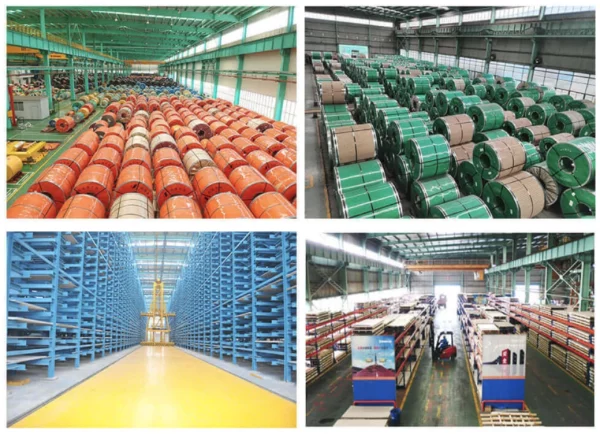
Global pandemics and geopolitical tensions exposed weaknesses in long-distance traditional supply chains. There is an increasing trend of localization and diversification in the supply chain. Companies are trying to create more flexible and resilient networks, which reduce their reliance on suppliers from distant regions.
However, from the actual practice, even in the period of COVID-19, the Delivery of Openex to overseas customers did not have much delay. Openex’s speedy responses include: making the face masks for the workers on duty, developing a high-speed automated N95 mask production line, and preparing special conveniences for the workers. In conclusion, even if in the worst situation, the delivery from Openex is still quicker than any other its competitors and at better pricing.
Openex, as an international supplier that has a robust operating framework, is well-positioned to navigate through these changes. In an uncertain world, we offer our clients the stability and reliability they need. We provide a reliable link in the global supply chains by maintaining strict quality control, investing heavily in logistics, and operating in a customer-centric manner. We can provide clients with unwavering service and quality, regardless of whether it is a large-scale production or a smaller-scale production, but on a regular run.
Metal forming is clearly on a path towards a future defined as technological sophistication, environmental responsibility and supply chain resilience. The right partner is crucial for businesses that depend on large metal components or expert fabrication.
In the pursuit of excellence and innovation, choosing a trusted partner is crucial. Openex, with its expertise in large-scale metal fabrication, is ready to partner with you to turn your vision into reality. We sincerely invite you to start a conversation about your next great project and shape the future of the industry together.
Precision, reliability, and global compliance, in the dynamic and evolving landscape of industrial manufacturing, are not only assets but are also absolute necessities. Openex, which specializes in Custom Steel Fabrication Services, has cemented its position as an industry leader. The company's commitment to quality and CE certification is what sets it apart from other companies. It delivers large, complex metal components and weldments that meet industry standards. Openex's philosophy is based on a thorough understanding of the client, mastery of advanced fabrication technologies, and a constant focus on quality control that ensures each product meets or exceeds international standards. The company's dedication allows it to serve a wide range of industries, including heavy industry, construction, renewable energy, and marine engineering. It provides solutions that are robust and precisely tailored for the application.
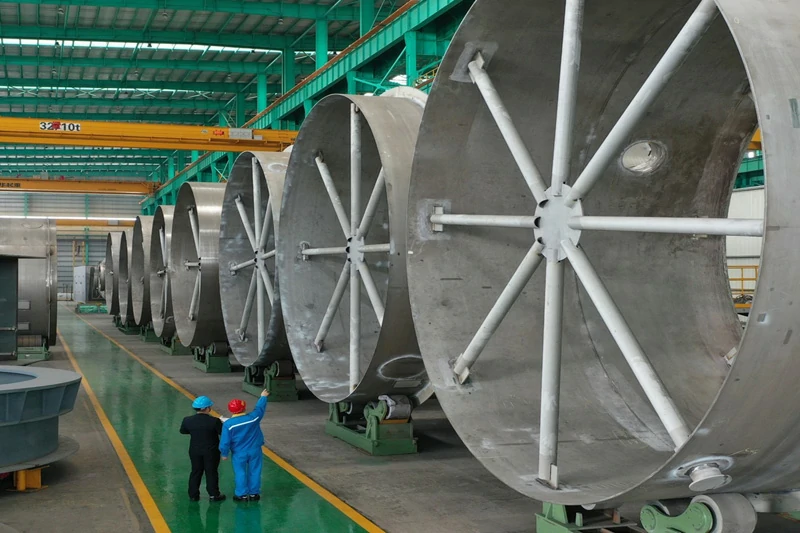
Openex's competitive advantage is a result of a combination of cutting-edge technology and a highly trained workforce. They also adhere to strict quality protocols. The company's facility is equipped with the latest machinery that can handle metal components with sizes from small to large, and weights from light to heavy. This sets them apart from their competitors. The company's facilities are equipped with state-of-the-art machinery that allows it to manufacture even massive structural steel weldments, as well as other oversized components, with unmatched accuracy and efficiency. Openex's engineers and technicians bring decades of experience to the table to transform complex designs into high-performance, tangible products. They have a thorough understanding of metal properties, welding techniques and the durability of each component.
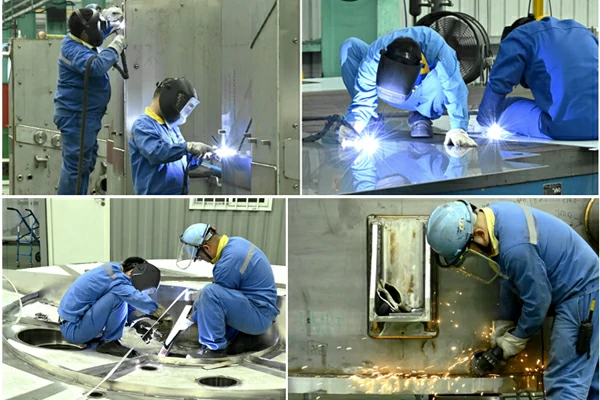
Openex's commitment towards quality is perhaps best demonstrated by the CE certification. This certification is a valuable guarantee for clients who are operating in the EU or exporting products to that region. It removes an important barrier to accessing markets and ensures product safety and high quality. This certification demonstrates Openex's manufacturing process, from material sourcing, cutting, welding, and finishing are all meticulously documented and monitored to meet global standards.
Another key strength is the company's ability to deliver tailored solutions. Openex does not offer a one-size-fits-all product. Instead, it works closely with clients to fully understand their challenges and needs. The consultative approach used by Openex ensures that not only is the final product a part but also a solution that improves the performance and efficiency of the client’s operations. The "custom" element of their service shines through here, as they transform conceptual designs into functional and precision-engineered reality.
Openex's services in steel fabrication and machining are used across a broad spectrum of industries with their own unique set of requirements. The products of the company are used in many large-scale infrastructure projects and industrial machinery around the world.
Heavy Machinery & Industrial Equipment: Openex supplies crucial components to manufacturers of large machinery, such as frames and bases for mining equipment, industrial presses, and crane chassis. These components must be able to withstand extreme pressure and have exceptional durability. One notable project was the fabrication of a main structural frame for an entirely new line of earth-moving machines for a global manufacturer. Openex's ability delivered the large and complex frames to the exact specifications and on time, allowing the client to maintain their competitive edge and accelerate production.
Infrastructure and Construction: Steel weldments, fabricated parts, machined parts, and/or assemblies are used in modern bridges, stadiums, and high-rise building construction. Materials that are structurally sound and adhere to safety standards are required for these projects. Openex worked with a key client, an established European construction company, to manufacture the complex steel trusses for a sports arena. The CE-certified parts provided an important layer of assurance that simplified the construction process and guaranteed the safety of the finished structure.
Renewable Energies: With the shift towards sustainable energy in the world, demand for robust, reliable components has risen. Openex is a key partner in the renewable energy sector. It provides fabricated parts such as wind turbine tower sections and structural elements for solar tracking systems. Openex delivered massive flange rings for offshore windmills to a major wind energy company. The project required both extreme precision and strict compliance with marine and environmental standards.
Offshore and Marine: Marine applications and offshore environments are harsh and require materials that can resist corrosion, high pressure, and constant stress. Openex offers custom components that meet the safety and quality requirements for marine platforms, oil rigs, and shipbuilding. They are trusted by clients for their ability to manufacture durable, corrosion-resistant steel parts.
Steel fabrication is undergoing a major transformation. This is due to technological innovations, changing market demands, and an increasing focus on sustainability. Understanding these trends will help you forecast the future of your industry and assess a company's growth potential. The industry's future looks bright, thanks to several important developments.
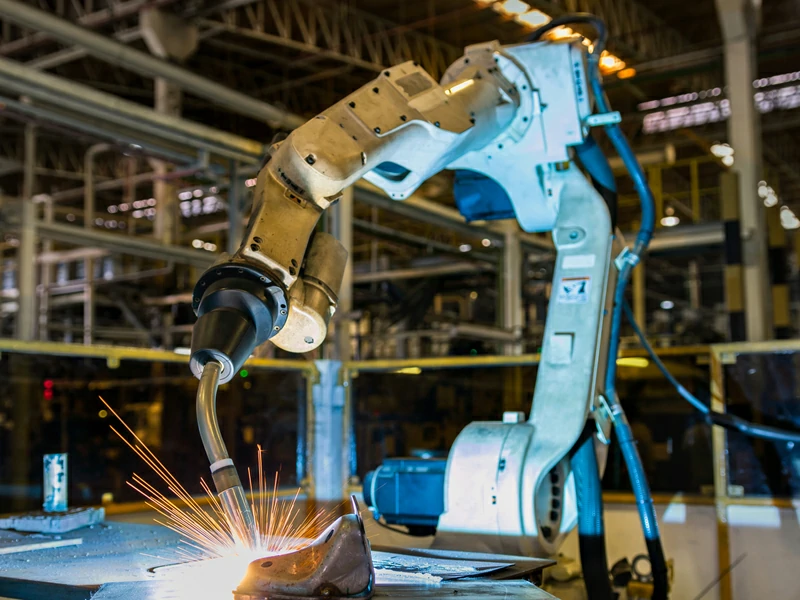
Steel fabrication is poised for growth and innovation. Companies that can navigate these trends by prioritizing technology, embracing sustainability, and specializing in high-value custom solutions will thrive. Openex is well equipped to meet these challenges, thanks to its experience in comprehensive fabrication &machining capacity, success record, and its CE certification.
Feel free to contact us to learn more about our custom metal fabrication services and capabilities.

Caption: Our modern fabrication shops use advanced laser cutters for precision work.
A recent news article from WA. GOV.AU (20 Aug 2025) caught my attention:
A mining fabrication company was fined $500,000 after a falling metal plate seriously injured a worker. The court found the company failed to provide a safe work environment.
This incident solidified a thought I've long held: if you need a trustworthy metal fabrication supplier for your machinery or engineering projects, outsourcing to China should be a top consideration—whether your priority is superior quality, significant cost reduction, or both.
You've likely heard stories from peers or competitors who sourced parts from China and gained immense advantages: prices half of local suppliers, rapid delivery, and consistently good quality. If you have a large project with a tight budget or need a long-term partner, it's time to consider why China is the optimal choice.
China isn't just a populous nation of over 1.4 billion; it's the world's second-largest economy with immense purchasing power. This fuels a colossal domestic demand for metal fabrication, driven by endless infrastructure projects—bridges, roads, tunnels, and buildings. The country uses nearly one billion tons of steel annually, with at least 50% requiring fabrication before use. This creates a stable, high-volume market that sustains the industry.
A huge number of domestic fabricators meet this massive demand. China is home to an estimated over 17,500 professional metal fabrication shops, a figure extrapolated from the annual sales of laser cutting machines. This ecosystem is hyper-competitive, meaning only the most efficient and capable survive.
The workforce is another key advantage. Metal fabrication is labor-intensive and requires high skill levels in what's known as the 4M's: Metals, Maths, Machine operation, and Mechanical engineering. China possesses a formidable demographic dividend: over 350,000 mechanical engineers (roughly 8 times the number in the USA) and an even larger pool of skilled technicians.
The intense competition means that surviving companies, like Openex, are proven winners. They have overcome immense challenges, from material shortages during COVID-19 to global logistics crises. This Darwinian business environment ensures that only the most resilient, efficient, and customer-focused fabricators thrive, ultimately benefiting the buyer.
Several factors contribute to unbeatable prices:
The outdated stereotype of "cheap and low-quality" is obsolete. Chinese fabrication quality now excels across every process:
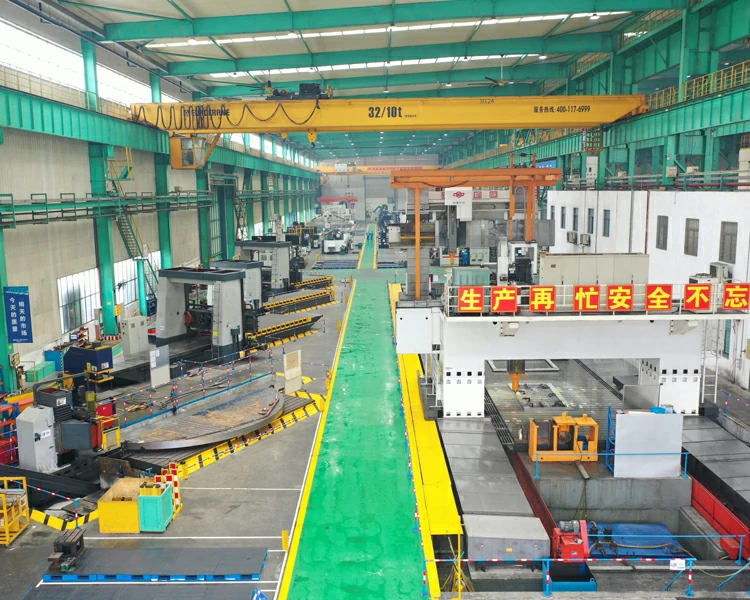
Caption: A multi-axis CNC machining center of Openex in China, capable of high-precision, complex operations.
China's advantages in cost and quality are undeniable, but they may not last forever. Demographic shifts and a declining birth rate mean the current pool of skilled labor may shrink in the coming decade.
Contact a professional metal fabricator like Openex to discuss your project needs and discover how you can achieve superior quality while cutting your costs in half.
FABTECH 2025 has the North American manufacturing industry excited, as September 8-11 marks its debut. At Chicago's McCormick Place, FABTECH will become an epicenter of industrial innovation, showcasing metal forming, fabricating, welding, and finishing technologies - something no other trade show or event offers. More than just an exhibition space or trade show event, FABTECH provides an accurate snapshot of an industry facing technological disruptions, supply chain restructuring, and changing workforce demands.
As thousands of industry leaders, engineers, and innovators stroll the miles of aisles at this event, they will witness the future of manufacturing unfold. But robotics and sophisticated software only account for part of its success equation. Manufacturers provide essential expertise, translating complex designs into robust industrial realities. Premier contract manufacturers like Openex provide essential foundational strength in metal fabrication services such as Welding Fabrication, Metal Cold Forming, and Heavy Machining for modern industry.
FABTECH is the definitive annual gathering for professionals who are serious about the future of their operations. It’s a dynamic ecosystem where a global contingent of suppliers and decision-makers connect to find solutions that enhance productivity, ensure quality, and drive profitability. For 2025, the exhibits and educational sessions will be laser-focused on several transformative trends that are reshaping the manufacturing landscape.

As we look toward the 2025 event, several key trends are expected to dominate the conversation, shaping the equipment and strategies on display. Understanding these trends is crucial for any OEM or engineering firm looking to maintain a competitive edge.
Automation and Robotics: FABTECH will showcase automation systems designed to increase efficiency and precision, such as robotic welding cells that offer enhanced consistency, higher speeds, and increased safety. At FABTECH, you will witness systems not only capable of fulfilling their intended function but also easy to program into existing workflows - making automation accessible even for complex or low-volume custom projects.
Digital Transformation (Industry 4.0): The concept of the "smart factory" is becoming a reality. This involves the use of sensors, data analytics, and cloud computing to monitor and optimize every stage of the fabrication process. Look for software solutions that enhance traceability, improve quality control through real-time monitoring, and enable predictive maintenance on critical machinery. This digital thread ensures that project specifications are met with unparalleled accuracy.
Advanced Materials and Processes: Industrial fabrication continues to shift towards advanced alloys and composites that offer greater strength-to-weight ratios, corrosion resistance, and performance under extreme conditions. At FABTECH 2025, you will witness cutting-edge welding and machining techniques required for working effectively with these challenging materials.
Supply Chain Resilience: Recent global disruptions have underscored the importance of robust and reliable supply chains. There is a growing preference for contract manufacturing partners who can provide comprehensive, one-stop services. Companies that offer a full suite of capabilities — from fabrication and machining to finishing and assembly — are becoming invaluable strategic assets.
While FABTECH showcases the tools of tomorrow, it is the expertise of companies like Openex that anchors this innovation in the real world. For over two decades, Openex has built an impeccable reputation as a full-service, one-stop-shop contract manufacturer. They are the trusted partner in fields such as engineering, energy, and mining, etc. They specialize in the projects that form the true backbone of industry: large& heavy pre-fab steel structures, key metal components combining the technology of forging and machining.
Operating on a core principle of delivering the highest levels of quality and service, Openex acts as the crucial link between design and reality. With state-of-the-art equipment and a deeply experienced team, they seamlessly guide projects from the prototype stage to full-scale production, delivering on time and to the exacting quality standards their clients expect.

In a market that prizes reliability above all, Openex’s core strengths directly address the industry’s most pressing needs. Their "one-stop-shop" model is a powerful answer to the call for more resilient supply chains. By offering a complete suite of services—including large machining, cutting, welding, rolling, punching, braking, testing, painting, and installation—they provide clients with a single, accountable partner. This integrated approach streamlines project management, ensures consistent quality control, and simplifies logistics.
Furthermore, in an era of workforce challenges, the Openex team is a defining advantage. Their roster of highly skilled and experienced project managers, fitters, welders, machinists, and quality assurance personnel represents a deep well of irreplaceable knowledge. This human expertise is critical, especially when executing complex, large-scale fabrications where precision and craftsmanship determine the success of the final product.
The true measure of Openex's capabilities is seen in the demanding sectors it serves. They don't just supply parts and components; they manufacture the foundational equipment and safety products that are critical to their clients' operations.

As the industry looks ahead from FABTECH 2025, the ultimate takeaway is clear: the path forward requires a dual commitment to embracing new technology and cultivating partnerships with proven, expert manufacturers. While the event in Chicago will showcase the tools that will shape the future, it is the unwavering quality and comprehensive capability of companies like Openex that will continue to build its strong foundation.
Contact us now to discover how Openex can deliver precision-engineered solutions for your most demanding projects.
In metal fabrication, precision is non-negotiable, especially when it comes to die-casting and aluminum sand-cast parts. High-precision CNC (Computer Numerical Control) machining has become a vital process in refining these cast parts into high-quality, functional components that meet strict specifications. Whether you’re working with heavy-duty mining equipment, renewable energy solutions, or custom machinery, CNC machining ensures superior quality, precision, and performance.

CNC machining involves the use of computer-controlled tools to remove material from a workpiece, producing precise parts with tight tolerances. This advanced technique is essential for achieving the accuracy required when working with die-cast and aluminum sand-cast parts. By utilizing multi-axis CNC milling, 5-axis machining, and CNC turning, manufacturers can produce complex shapes and intricate details with ease.
Before CNC machining can be applied, it's important to understand the casting methods used to create the initial parts:
Die Casting: In die casting, molten metal is injected into a mold under high pressure to produce detailed parts with tight tolerances. Typically made from aluminum, zinc, or magnesium, die-cast components are lightweight, durable, and offer a smooth surface finish.
Aluminum Sand Casting: Sand casting involves pouring molten aluminum into a sand mold. This traditional process allows for the creation of larger and more complex parts, though it often requires post-casting machining to meet the necessary surface quality and dimensional accuracy.
While these casting processes are effective for producing bulk parts, they usually require additional CNC machining to achieve the final product specifications needed for functional integration.
Cast components, whether produced by die casting or sand casting, often need to be refined through CNC machining to achieve the desired levels of precision and surface finish. Here’s why CNC machining is crucial:
Achieving Tight Tolerances: CNC machines excel in maintaining tight tolerances, ensuring that every part conforms to exact engineering specifications. This level of precision is essential for industries such as mining, renewable energy, and automotive, where even slight deviations can result in failure or inefficiency.
Improving Surface Finish: Cast parts typically have rough surfaces that may require significant post-processing. CNC machining removes excess material, providing a smooth and polished finish that is not only functional but visually appealing.
Fabricating Complex Geometries: Multi-axis CNC machines can create intricate shapes and detailed features that would be difficult or impossible to achieve using traditional methods. Whether it’s precise holes, grooves, or contours, CNC machining allows for a high level of customization.
Material Versatility: CNC machining is capable of handling a wide range of materials, including aluminum, which is frequently used in die casting and sand casting. This allows manufacturers to create parts that meet performance requirements while maintaining strength, durability, and cost-efficiency.
The combination of die casting, sand casting, and CNC machining serves various industries that require custom and high-performance metal components. Here are some key applications:
Mining Equipment: In the mining industry, heavy-duty components like gear housings, brackets, and structural elements need to be fabricated with high precision. CNC machining ensures that these parts are both accurate and durable enough to withstand harsh operating conditions.
Renewable Energy: Components for wind turbines, solar panels, and other renewable energy products often rely on CNC-machined aluminum parts for their strength and lightness. By ensuring tight tolerances and optimal surface finishes, CNC machining enhances the performance and lifespan of renewable energy products.
Heavy Machinery & Equipment: For industries such as automotive and industrial machinery, CNC machining is essential for producing complex components like engine parts, transmission housings, and structural elements. High precision ensures parts fit together seamlessly and perform reliably under extreme conditions.
Custom Metal Fabrication: CNC machining is a key part of custom metal fabrication, allowing manufacturers to produce one-off or small-batch parts with highly specific requirements. Whether it’s for specialized aerospace components, medical devices, or custom machinery, CNC machining ensures high-quality results every time.
As a leading metal fabrication manufacturer, we specialize in high-precision CNC machining for die-cast and aluminum sand-cast parts. Our advanced CNC machining services, including multi-axis milling, 5-axis machining, and CNC turning, ensure that your components meet the highest standards of quality and accuracy.
We work with a variety of materials, including aluminum, stainless steel, and specialty alloys, to produce parts that are durable, reliable, and cost-effective. Our expert team is committed to delivering custom metal fabrication solutions that meet your exact specifications, whether for mining, renewable energy, automotive, or industrial applications.
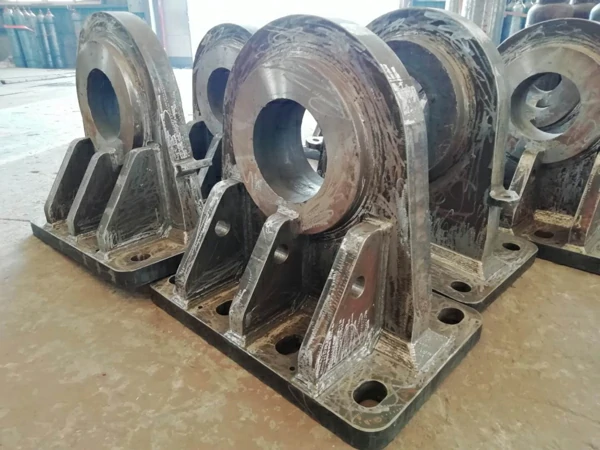
Large steel casting
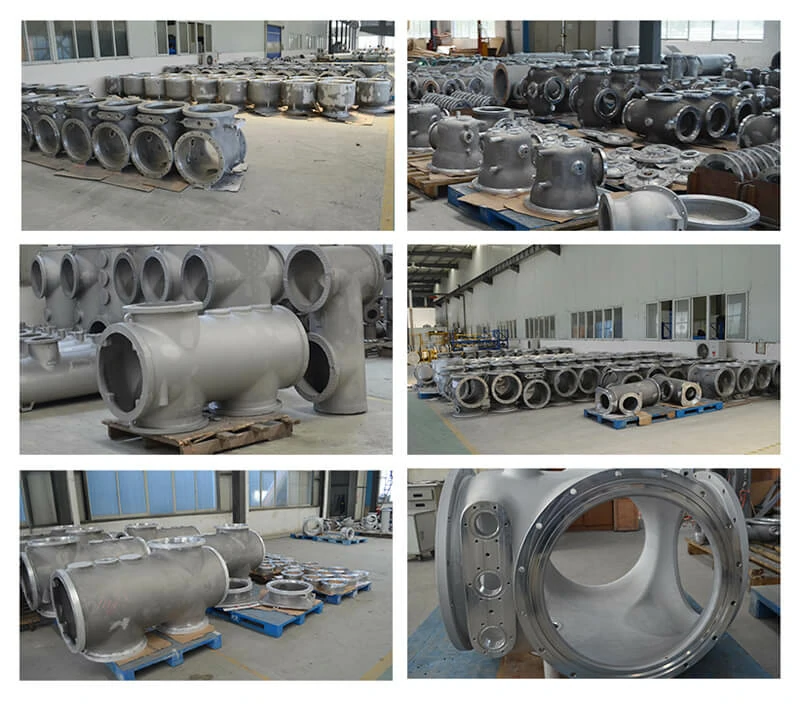
aluminum casting and machining
High-precision CNC machining is a cornerstone of modern metal fabrication, especially when refining die-cast and aluminum sand-cast parts. It enables industries to produce parts with tight tolerances, smooth finishes, and complex geometries required for optimal performance. Whether you're looking for precision components for mining equipment, renewable energy solutions, or custom machinery, CNC machining ensures that your parts meet the highest standards of quality and functionality.
At Openex, we offer expert CNC machining services that take your die-cast and sand-cast parts to the next level. Our commitment to precision and quality guarantees that your parts will meet even the most demanding performance criteria.
As a seasoned metal fabrication expert with over two decades of experience, I've witnessed numerous technological advancements in our industry. However, the introduction of laser welding robots stands out as a true game-changer. In this article, I'll dive deep into the world of laser welding robots, explaining their significance, components, applications, and impact on the metal fabrication industry.
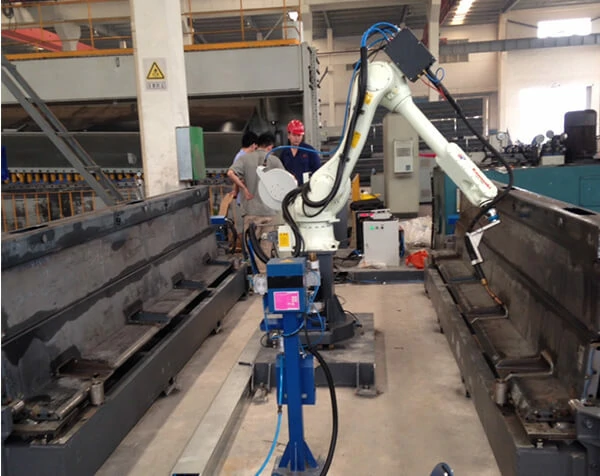
Laser welding robots represent the pinnacle of precision welding technology. These sophisticated machines combine the power of focused laser beams with the flexibility and accuracy of robotic arms. The result is a welding system that can produce high-quality, consistent welds at speeds traditional methods can't match.
a) Robotic Arm: The backbone of the system, typically featuring six or more axes of movement. This multi-joint design allows for complex 3D movements, enabling the robot to weld in virtually any position or angle.
b) Laser Source: The heart of the system. Common types include fiber lasers, CO2 lasers, and disk lasers. Each has its strengths, but fiber lasers are becoming increasingly popular due to their efficiency and reliability.
c) Optical System: A series of mirrors, lenses, and a focusing head that directs and concentrates the laser beam onto the workpiece. The ability to focus the beam into a tiny spot is crucial for achieving high energy density.
d) Control System: The brains of the operation. Advanced software and hardware work together to coordinate the robot's movements, control laser output, and manage welding parameters in real-time.
e) Sensing Systems: Various sensors, including vision systems and seam trackers, allow the robot to adapt to slight variations in the workpiece or welding conditions.
The laser welding process is fascinating from a metallurgical perspective. Here's how it works:
a) Beam Generation: The laser source produces a high-energy beam.
b) Beam Delivery: The optical system guides and focuses the beam onto the workpiece.
c) Melting: The intense, focused energy rapidly melts the metal at the weld joint.
d) Weld Pool Formation: A small, controlled melt pool forms.
e) Solidification: As the laser moves along the weld path, the molten metal behind it solidifies, creating the weld.
f) Shielding: In many cases, a shielding gas (like argon) is used to protect the weld pool from atmospheric contamination.
As a fabricator, I've found numerous benefits to using laser welding robots:
a) Precision: Welds can be placed with accuracy down to fractions of a millimeter. This is crucial for complex parts or when working with thin materials.
b) Speed: Depending on the application, laser welding can be 2-10 times faster than traditional welding methods.
c) Consistency: Once programmed, the robot produces identical welds repeatedly, which is excellent for quality control and reducing rework.
d) Minimal Heat Affected Zone (HAZ): The focused energy means less heat spreads through the workpiece, reducing distortion and maintaining material properties.
e) Versatility: These systems can weld a wide range of materials and thicknesses, often without filler material.
f) Automation Potential: Laser welding robots integrate well with other automated systems, paving the way for fully automated production lines.
In my experience, laser welding robots have found homes in numerous industries:
a) Automotive: Used for body-in-white assembly, powertrain components, and battery enclosures for electric vehicles.
b) Aerospace: Precision welding of turbine components, fuel systems, and structural elements.
c) Electronics: Micro-welding for batteries, sensors, and other delicate components.
d) Medical Devices: Creating sterile, high-strength welds for surgical instruments and implants.
e) Energy Sector: Welding pipes, pressure vessels, and renewable energy components like solar panel frames.
While laser welding robots offer numerous advantages, they're not without challenges:
a) Initial Cost: The upfront investment can be significant. However, I've found that the long-term benefits often outweigh this initial hurdle.
b) Programming Complexity: Creating efficient welding paths and optimizing parameters requires skill. Thankfully, offline programming software and simulation tools are making this process more accessible.
c) Material Preparation: Laser welding typically requires clean, precisely fitted joints. We've implemented advanced cleaning processes and improved fixturing to address this.
d) Safety Considerations: Working with high-power lasers necessitates robust safety protocols. We use enclosed welding cells, interlocks, and proper personal protective equipment (PPE) to ensure operator safety.
For shops considering laser welding robots, I recommend the following:
a) Start with a Clear Use Case: Identify specific applications where laser welding can provide the most benefit.
b) Invest in Training: Ensure your team is well-versed in programming, operation, and maintenance of the system.
c) Optimize Your Workflow: Consider how the laser welding robot will integrate with your existing processes.
d) Plan for Maintenance: Regular calibration and maintenance are crucial for consistent performance.
The field of laser welding robotics is constantly evolving. Some exciting trends I'm watching include:
a) AI and Machine Learning Integration: These technologies enable smarter, more adaptive welding processes.
b) Increased Power and Efficiency: Laser sources are becoming more powerful and energy-efficient.
c) Hybrid Systems: Combining laser welding with other processes (like arc welding) for even greater versatility.
d) Additive Manufacturing Integration: Some systems can now handle welding and 3D metal printing.
As a metal fabrication expert, We are truly excited about the potential of laser welding robots. They're not just tools; they're transforming how we approach metal joining. While they require investment in both equipment and expertise, the payoff in terms of quality, speed, and capabilities is immense.
For shops looking to stay competitive in an increasingly high-tech landscape, laser welding robots are becoming less of a luxury and more of a necessity. As we move forward, we expect these systems to become even more intelligent, efficient, and integral to modern metal fabrication.
Interested in our robot welding service or more information about our welding capabilities? Contact us now at sales3@openex.com.cn
As a professional metal parts machining provider, shaft manufacturing is one of our specialties, we understand the critical role that shaft parts play in various mechanical systems. Shaft parts are widely used in transmission and power systems, with primary functions including supporting rotating parts, transmitting motion and power, and reducing friction. To help everyone better understand shaft parts, we will provide a detailed introduction to the basics of shaft parts, common types and materials, and an in-depth discussion of the entire manufacturing process.
Tablet of content

Shaft are usually cylindrical and come in various sizes and lengths, with specific designs depending on their function and application environment. The primary functions of shaft parts include:
- Supporting Rotating Parts: Such as gears, pulleys, and flywheels, bearing the weight of rotating components and ensuring their stable operation through bearings.
- Transmitting Motion and Power: In engines and transmission systems, shaft parts transmit torque and speed, ensuring effective power transfer.
- Reducing Friction and Wear: By using bearings and lubricants, shaft parts reduce friction between moving components, improving the efficiency and lifespan of mechanical systems.
Based on their shape, use, and manufacturing process, shaft parts can be categorized into several types, including solid shafts, hollow shafts, spline shafts, and flexible shafts.
Shaft parts typically work in conjunction with bearings, gears, pulleys, and other mechanical components to achieve force transmission and motion conversion. Their working principles include supporting, positioning, and transmitting functions, ensuring the normal operation and high efficiency of mechanical equipment.

1. Solid Shafts
- Definition: Solid shafts are the most common type of shaft parts, typically made from a single piece of metal with high strength and rigidity.
- Application: Suitable for applications requiring high load and high torque, such as heavy machinery, construction equipment, and industrial production equipment.
- Advantages: Simple structure, mature manufacturing process, and capable of withstanding significant forces and torques.
2. Hollow Shafts
- Definition: Hollow shafts have a hole in the middle, typically used to reduce weight and increase speed.
- Application: Widely used in situations requiring weight reduction, such as aerospace, automotive industry, and precision machinery.
- Advantages: Lighter weight while maintaining sufficient strength, helping to improve the dynamic performance and efficiency of equipment.
3. Spline Shafts
- Definition: Spline shafts feature spline structures, usually straight or helical, used for transmitting significant torque.
- Application: Mainly used in transmission systems, such as gearboxes, differentials, and hydraulic transmission systems.
- Advantages: Capable of maintaining high precision and stability in high-torque transmission, and easy to install and disassemble.
4. Flexible Shafts
- Definition: Flexible shafts have some flexibility, allowing them to bend within a certain range to accommodate irregular movements and working environments.
- Application: Commonly used in specialized machinery such as handheld power tools, robots, and medical devices.
- Advantages: Can work in complex environments, with strong adaptability and flexible use.
1. Carbon Steel
- Characteristics: Carbon steel contains a high carbon content, providing high strength and hardness at a relatively low cost.
- Application: Suitable for general mechanical equipment, such as drive shafts, connecting rods, and general industrial equipment.
- Advantages: Easy to process, affordable, and meets most application needs.
2. Alloy Steel
- Characteristics: Alloy steel adds other alloying elements (such as chromium, nickel, molybdenum) to carbon steel to enhance its mechanical properties and corrosion resistance.
- Application: Widely used in situations requiring high strength, high wear resistance, and high corrosion resistance, such as aerospace, petrochemical, and heavy machinery.
- Advantages: High strength, hardness, and wear resistance, capable of maintaining good performance in harsh environments.
3. Stainless Steel
- Characteristics: Stainless steel contains a high chromium content, providing excellent corrosion resistance and good mechanical properties.
- Application: Suitable for food processing, chemical equipment, and marine equipment, especially in environments requiring rust prevention.
- Advantages: Strong corrosion resistance, suitable for various corrosive environments, and has an attractive appearance.
4. Aluminum Alloy
- Characteristics: Aluminum alloy is lightweight with relatively high strength, good electrical conductivity, and corrosion resistance.
- Application: Widely used in aerospace, automotive industry, and precision machinery, especially in situations requiring weight reduction.
- Advantages: Lightweight, helps improve the dynamic performance and efficiency of equipment, and has good processing properties and corrosion resistance.
As a professional manufacturer of shaft parts, we understand the importance of material selection in the manufacturing process. The choice of materials directly affects the performance, manufacturing cost, and lifespan of the parts. Based on the usage environment and functional requirements of the parts, we select appropriate materials. For example, alloy steel is typically chosen for heavy-duty transmission systems, while stainless steel is selected for corrosive environments.
Rough machining involves turning, milling, and other processes to shape the raw material into a form close to the final dimensions. Common equipment includes lathes and milling machines. The purpose of rough machining is to remove excess material, laying the foundation for subsequent fine machining.
3.2.1 Turning
Turning involves rotating the workpiece and using cutting tools to shape it, suitable for processing the outer diameter, end face, and grooves of shaft parts. The turning process requires controlling the cutting speed, feed rate, and depth of cut to ensure machining efficiency and quality.
3.2.2 Milling
Milling involves rotating the cutting tool and moving the workpiece to shape it, suitable for processing keyways, splines, and complex shapes of shaft parts. The milling process requires selecting appropriate cutting tools and parameters to ensure machining accuracy and surface quality.
Heat treatment involves heating, holding, and cooling processes to change the internal structure of the material, improving the hardness, strength, and wear resistance of the parts. Common heat treatment processes include quenching, tempering, and normalizing.
3.3.1 Quenching
Quenching involves heating the parts to a high temperature and then rapidly cooling them to form a hard and brittle martensitic structure, thereby improving hardness and wear resistance. Quenched parts require tempering to relieve internal stress and improve toughness.
3.3.2 Tempering
Tempering involves heating the quenched parts to a specific temperature, holding them, and then slowly cooling them to stabilize the internal structure, reduce hardness, and improve toughness and plasticity. Tempering helps enhance the overall mechanical properties of the parts.
3.3.3 Normalizing
Normalizing involves heating the parts above the critical temperature and cooling them in the air to form a fine and uniform pearlitic structure, improving strength and toughness. Normalizing is suitable for enhancing the overall mechanical properties of low-carbon and medium-carbon steels.
Fine machining involves grinding, honing, and other processes to precisely shape the rough-machined parts to meet the design requirements for dimensional accuracy and surface quality. This process is usually carried out on CNC machines.
3.4.1 Grinding
Grinding involves using abrasive tools to finely cut the surface of the workpiece, suitable for processing the outer diameter, inner bore, and end face of shaft parts. The grinding process requires controlling the speed of the abrasive tools, feed rate, and use of coolant to ensure machining accuracy and surface quality.
3.4.2 Honing
Honing involves using honing tools and abrasive compounds to achieve ultra-precise machining, suitable for processing high-precision surfaces and complex shapes of shaft parts. The honing process requires using appropriate abrasives and honing tools to ensure high precision and high-quality surfaces.
Surface treatment includes electroplating, oxidation, and spraying to improve the surface hardness, wear resistance, and corrosion resistance of the parts. Surface treatment not only extends the lifespan of the parts but also enhances their appearance.
3.5.1 Electroplating
Electroplating involves depositing a layer of metal coating on the surface of the parts through an electrolytic reaction, commonly used to improve wear resistance, corrosion resistance, and appearance quality. Common electroplating processes include chrome plating, nickel plating, and zinc plating.
3.5.2 Oxidation
Oxidation involves forming an oxide layer on the surface of the parts through a chemical reaction, commonly used to improve corrosion resistance and surface hardness. Common oxidation processes include anodizing and chemical oxidation.
3.5.3 Spraying
Spraying involves evenly applying a coating to the surface of the parts using a spray gun, commonly used to improve wear resistance, corrosion resistance, and appearance quality. Common spraying processes include thermal spraying and cold spraying.
As a professional manufacturer of shaft parts, we conduct rigorous dimensional accuracy testing on each batch of shaft parts before they leave the factory. Dimensional accuracy testing involves using measuring tools to check the external dimensions of the shaft parts to ensure they meet design specifications. Common measuring tools include vernier calipers, micrometers, and coordinate measuring machines.
Surface quality testing involves visual inspection and instrument testing to assess the surface quality of the shaft parts, ensuring their surface finish and absence of defects. Common testing methods include microscope observation, roughness testers, and non-destructive testing.
Mechanical performance testing involves experimental methods to evaluate the mechanical properties of the shaft parts, ensuring their strength, hardness, and toughness meet usage requirements. Common testing methods include tensile testing, hardness testing, and impact testing.
In the aerospace sector, shaft parts are primarily used in engines, turbines, and transmission systems. Their high strength, lightweight, and high precision characteristics meet the stringent reliability and performance requirements of aerospace equipment. Our shaft parts undergo strict quality control and testing to ensure stable operation under extreme conditions.
In the automotive industry, shaft parts are widely used in engines, transmissions, and suspension systems. Their high strength, wear resistance, and corrosion resistance ensure the long-term stable operation and safety performance of vehicles. We supply high-quality shaft parts to many well-known automotive manufacturers worldwide, ensuring their products remain competitive in the market.
In industrial machinery, shaft parts are mainly used in machine tools, transmission systems, and heavy equipment. Their high strength, high precision, and wear resistance enhance the efficiency and lifespan of equipment. Our shaft parts are widely used in various industrial machinery, providing reliable solutions for our customers.
As a professional manufacturer of shaft parts, we understand the critical role that shaft parts play in mechanical systems. Their design and manufacturing directly affect the performance and lifespan of equipment. By selecting appropriate materials and precise manufacturing processes, we can ensure the reliability and durability of shaft parts. This article provides a detailed introduction to the basics, common types and materials, and the manufacturing process of shaft parts, offering valuable reference and guidance for mechanical engineers and manufacturing industry professionals. Understanding and mastering the related knowledge of shaft parts is crucial for improving the design and manufacturing level of mechanical equipment, enhancing industrial production efficiency, and product quality.
Ready to experience the difference that expert shaft machining can make for your projects?
Don't leave the critical components of your mechanical systems to chance. Contact our team of skilled machinists and engineers today to discuss your specific shaft machining needs.
We're here to answer your questions, provide detailed quotes, and offer solutions tailored to your unique requirements. Let's work together to bring your designs to life with unparalleled precision and quality.
Get in touch now:
Phone: +86 186 5928 0806
Email: sales3@openex.com.cn
Your success is our priority. Reach out today and discover how our professional shaft machining services can elevate your products and streamline your production processes. We look forward to being your trusted partner in precision manufacturing!
Metal fabrication is a cornerstone of modern industry, responsible for transforming raw metals into valuable products and structures that support our daily lives. This blog will explore the multifaceted world of metal fabrication, from its historical roots and various techniques to its wide range of applications and future trends. Whether you're a professional in the field or simply interested in the subject, this comprehensive guide aims to provide an in-depth understanding of metal fabrication.
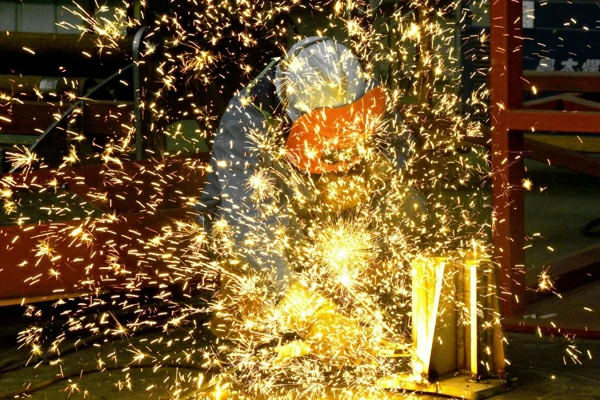
The history of metal fabrication dates back to ancient civilizations. Early humans discovered metals such as gold and copper, using rudimentary techniques to shape them into tools and ornaments. By 3000 BCE, the Bronze Age marked significant progress as alloys of copper and tin were developed, leading to stronger and more durable tools and weapons.
During the Middle Ages, blacksmiths became central figures in communities, skilled in forging and shaping iron into everyday items, weapons, and armor. The Renaissance period saw advancements in metallurgy and the development of new techniques, such as casting and wrought ironwork, leading to the creation of more intricate and functional metal products.
The Industrial Revolution brought about a monumental shift in metal fabrication. Innovations like the Bessemer process allowed for mass production of steel, transforming industries and enabling the construction of railways, bridges, and skyscrapers. The advent of machinery and assembly lines further revolutionized metalworking, increasing efficiency and production capabilities.
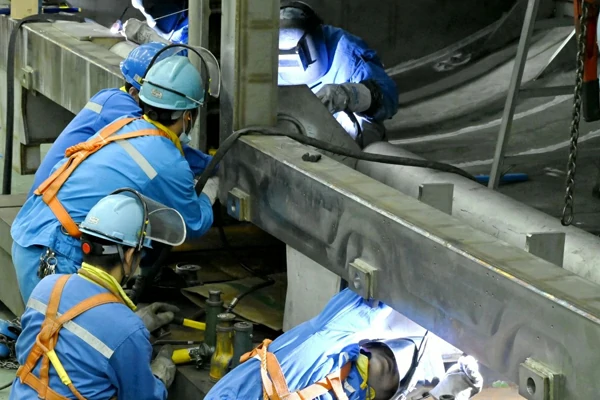
Cutting is a fundamental process in metal fabrication, where raw metal is divided into desired shapes and sizes. Key cutting techniques include:
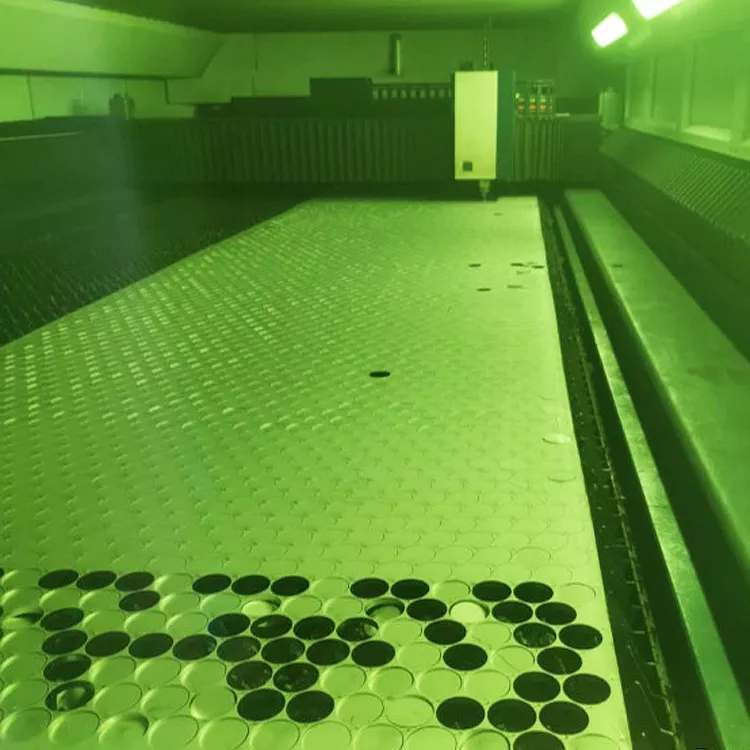
Forming techniques involve reshaping metal into desired forms without adding or removing material. Common methods include:
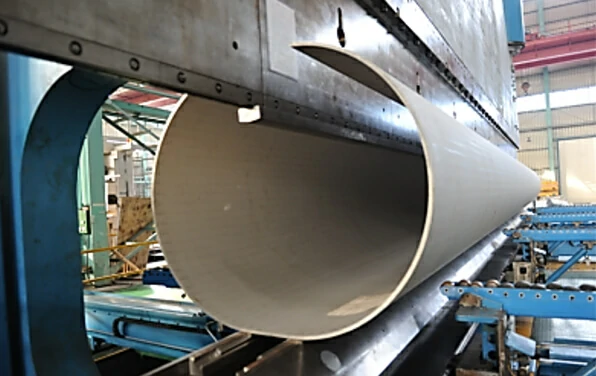
Joining processes are crucial for assembling metal parts into complete structures. Key joining techniques include:
Finishing processes enhance the appearance, durability, and functionality of metal products. Key finishing techniques include:
Metal fabrication plays a vital role in the construction industry, providing essential components for buildings, infrastructure, and architectural designs. Structural steel beams, columns, and trusses form the backbone of modern skyscrapers, bridges, and commercial buildings. Decorative metalwork, such as railings, staircases, and facades, enhances the aesthetic appeal of structures.
The automotive industry relies heavily on metal fabrication to produce a wide range of vehicle components. From the chassis and engine parts to body panels and exhaust systems, fabricated metal parts ensure the strength, safety, and performance of automobiles. Advanced techniques like robotic welding and laser cutting enable the production of high-precision components, contributing to the industry's efficiency and innovation.
In the aerospace sector, precision and reliability are paramount. Metal fabrication is used to manufacture critical components for aircraft, spacecraft, and satellites. Materials such as aluminum, titanium, and high-strength alloys are fabricated using advanced techniques to withstand extreme conditions and ensure the safety and performance of aerospace vehicles.
The energy sector benefits from metal fabrication through the production of equipment and infrastructure for power generation, transmission, and distribution. Fabricated metal components are used in wind turbines, solar panel frames, oil and gas pipelines, and nuclear reactors. The durability and reliability of these components are crucial for maintaining energy systems' efficiency and safety.
Metal fabrication is also integral to the production of consumer goods, ranging from household appliances to electronics and furniture. Stainless steel, aluminum, and other metals are fabricated into durable and aesthetically pleasing products that meet consumer demands for quality and design.
The integration of automation and robotics is transforming the metal fabrication industry. Automated systems and robotic arms enhance efficiency, precision, and safety in fabrication processes. These technologies reduce human error, increase production speed, and allow for complex and repetitive tasks to be performed with high accuracy.
Additive manufacturing, or 3D printing, is revolutionizing metal fabrication by enabling the creation of complex and customized parts. This technology allows for layer-by-layer construction of metal objects, reducing material waste and enabling the production of intricate geometries that are challenging to achieve with traditional methods. Additive manufacturing is particularly beneficial for prototyping, small-batch production, and custom fabrication.
The development of advanced materials, such as high-strength alloys, composites, and smart metals, is expanding the capabilities of metal fabrication. These materials offer improved performance, weight reduction, and resistance to corrosion and wear. Innovations in material science are driving the creation of more durable and efficient products across various industries.
Sustainability is becoming a key focus in the metal fabrication industry. Efforts to reduce waste, recycle metals, and adopt eco-friendly practices are gaining momentum. Fabricators are exploring ways to minimize their environmental impact through energy-efficient processes, sustainable material sourcing, and reducing emissions. These initiatives not only benefit the environment but also enhance the industry's reputation and compliance with regulations.
Digital fabrication involves the use of digital technologies, such as CAD (Computer-Aided Design) and CAM (Computer-Aided Manufacturing), to streamline the design and production process. This trend enhances accuracy, reduces lead times, and allows for greater customization and flexibility in fabrication projects. Digital twins, virtual simulations, and real-time monitoring are becoming integral parts of the metal fabrication workflow.
The metal fabrication industry faces a significant challenge in the form of a skilled labor shortage. As experienced workers retire, there is a growing need for trained professionals who can operate advanced machinery and perform complex tasks. Investing in education, training programs, and apprenticeships is crucial to address this skills gap and ensure a competent workforce.
While automation and digital technologies offer numerous benefits, integrating these systems into existing workflows can be challenging. Companies must invest in training, infrastructure, and change management to fully leverage these advancements. Balancing the adoption of new technologies with maintaining operational continuity is a critical challenge for fabricators.
The cost of raw materials, energy, and labor can fluctuate, impacting the profitability of metal fabrication projects. Effective cost management strategies, such as optimizing supply chains, reducing waste, and improving operational efficiency, are essential to maintain competitive pricing and profitability.
Maintaining high quality and consistency is crucial in metal fabrication. Implementing rigorous quality control measures, such as inspections, testing, and certifications, ensures that products meet industry standards and customer expectations. Investing in advanced quality control technologies, such as automated inspection systems and non-destructive testing, can enhance accuracy and reliability.
Metal fabrication is an integral part of modern society, supporting various industries and contributing to technological advancements and economic growth. Its applications range from everyday consumer products to critical infrastructure and advanced technologies. The continuous innovation and development in metal fabrication drive progress across multiple sectors, enhancing our quality of life and enabling new possibilities.
Metal fabrication plays a crucial role in developing and maintaining infrastructure. From bridges and highways to airports and railways, fabricated metal components provide the strength and durability needed for safe and reliable infrastructure. As urbanization and population growth continue, the demand for robust infrastructure will drive further advancements in metal fabrication techniques and materials.
The rapid pace of technological advancements relies on metal fabrication to produce components for various industries, including electronics, telecommunications, and healthcare. High-precision fabrication techniques enable the production of micro-components for electronic devices, medical implants, and advanced machinery. Metal fabrication supports the development of cutting-edge technologies that drive innovation and improve our daily lives.
Sustainability is a growing concern in today's world, and metal fabrication is contributing to sustainable development through the adoption of eco-friendly practices and materials. Recycling metals, reducing waste, and implementing energy-efficient processes help minimize the environmental impact of fabrication activities. The development of sustainable products, such as renewable energy systems and green buildings, further supports global efforts toward a sustainable future.
Metal fabrication is a dynamic and essential industry that underpins modern society. From its historical roots to its diverse applications and future trends, metal fabrication continues to evolve, driven by innovation, technology, and sustainability. As the industry faces challenges and embraces new opportunities, the importance of skilled labor, advanced materials, and eco-friendly practices cannot be overstated. Metal fabrication will remain a cornerstone of progress, enabling the creation of structures, products, and technologies that shape our world and improve our quality of life.
Openex strives to be your one-stop fab shop. This means, except for robotic welding services, we also offer plasma cutting, CNC machining, bending, laser cutting, and seemingly everything else you need to turn your idea into a reality. And when you partner with us, we leverage our expertise, experience, and technology to find the most cost-effective and suitable approach for your project.
Want to learn more? Ready to schedule a consultation? Contact us today!