
Precision and efficiency are paramount in manufacturing, especially in industries where large-scale machinery plays a crucial role. One such industry is the production of liquid-filling machinery, where even the smallest flaw can lead to significant consequences. In this project, we provided major metal parts machining and assembly services for the filling line of a new beverage product for a large liquid-filling machinery company.
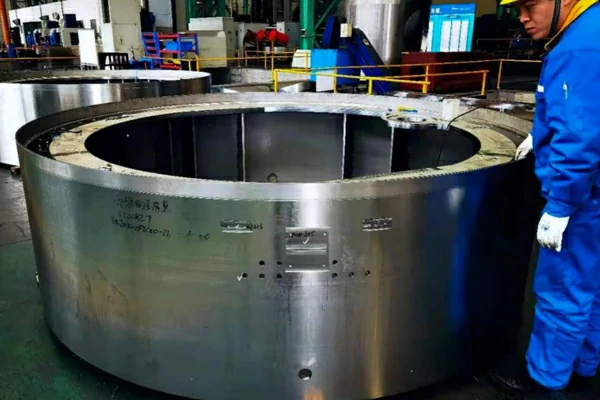
The project began with a meticulous examination of manufacturing drawings and the assignment of responsibilities to ensure seamless coordination. The materials chosen for this project were of the utmost importance, with all project components crafted from 304 stainless steel. In total, there were six sets of the parts, collectively weighing about 42.5 tons, which needed to be expertly assembled and welded into large-scale structural components, each with a diameter exceeding 4 meters.
Efficiency is the lifeblood of any manufacturing project, and in this case, we were determined to deliver exceptional results. The first week saw us swiftly complete the metal plate cutting, after which the project transitioned to the riveting and welding workshop. Throughout the welding process, we placed a premium on controlling deformation and ensuring the protection of the product's surface.
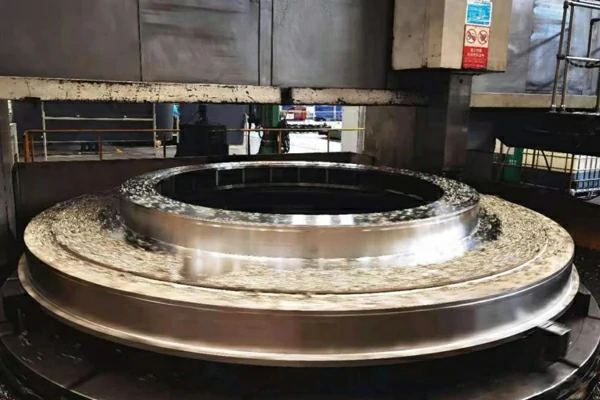
Maintaining quality was a top priority, and we left no stone unturned to achieve this. Our production department diligently documented every step in the manufacturing process, capturing photographs and records daily. This level of oversight enabled us to promptly identify and address any issues that arose, ensuring that the quality of the products remained uncompromised.
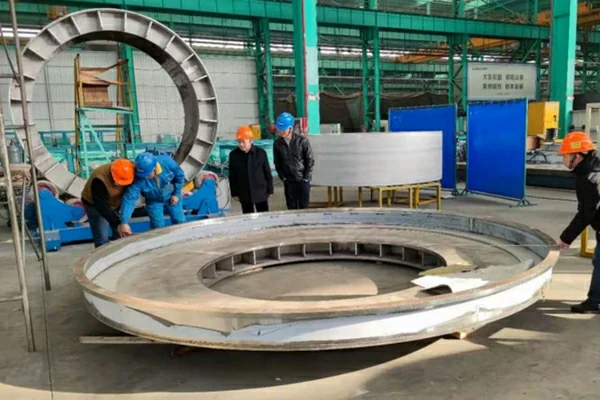
One of the key success factors in this project was the seamless integration of different production stages. The first set of processing, riveting, and welding production, and machining production worked in harmony. This allowed us to identify and resolve issues collectively, optimizing the production process for subsequent sets. This coordinated approach significantly enhanced production efficiency, ultimately saving time and resources.
The client's satisfaction is the ultimate measure of success in any project. In this case, our commitment to quality, precision, and efficiency was confirmed during the customer's on-site inspection. The client not only affirmed the quality of our work but also expressed a clear intention for future collaborations.
This project illustrates the importance of precision, efficiency, and quality in the manufacturing industry, particularly when dealing with major metal parts machining and assembly. By maintaining meticulous attention to detail, ensuring quality control at every stage, and fostering seamless collaboration among production teams, we not only met but exceeded our client's expectations.
If you're in need of precision metal machining and fabrication services for your manufacturing projects, look no further. Our team is dedicated to delivering high-quality results with efficiency. Contact us today to discuss your project requirements and experience the difference of working with experts who prioritize excellence. Your success is our success, and we're here to help you achieve it.
In the world of engineering and manufacturing, precision and safety are paramount, especially when it comes to the construction of vital infrastructure. Recently, our company had the privilege of undertaking a unique project: the fabrication of five sets of shield machine brackets. These brackets play a crucial role in the initial excavation process of shield machines, ensuring that the machine's center of gravity remains stable, preventing any undesirable "kowtow" motion. The complexity and precision required for this project were taken to a whole new level, as our customer demanded a design that would guarantee the utmost safety and precision during the on-site assembly of these brackets.
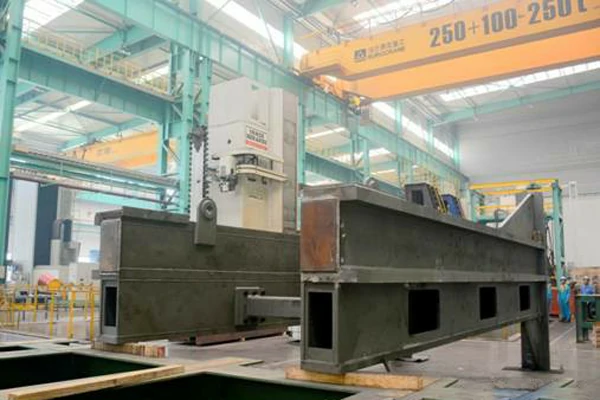
Our customer's request to design and fabricate shield machine brackets that could effectively combat the "kowtow" motion was no small feat. In close collaboration with our engineering team, we crafted a design that accounted for the unique requirements of shield machine excavation. The result was a bracket that not only met these requirements but exceeded them, providing a level of stability and safety that was previously unmatched in the industry.
In addition to addressing the "kowtow" challenge, our customer also imposed strict guidelines for machining accuracy. This required us to employ state-of-the-art equipment and a meticulous approach to precision machining. This was no easy task, as even the slightest deviation from the design specifications could have serious consequences during on-site assembly. Our team accepted this challenge with enthusiasm, recognizing that this project had the potential to raise the bar for precision engineering in the field.
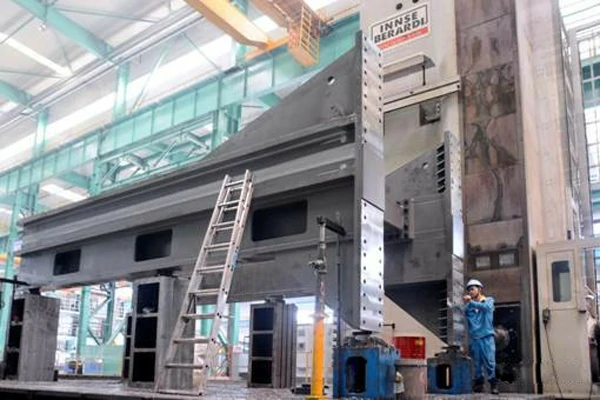
To ensure the successful fabrication of the shield machine brackets, our team embarked on a journey of meticulous planning and execution. The project involved a series of processes, including design validation, precision machining, and quality control. At each step, we paid the utmost attention to detail and accuracy, recognizing that the safety of future infrastructure projects hinged on our ability to deliver.
Demonstrations and tracking played a significant role in the success of this project. We continuously monitored the machining, lifting, and assembly processes. Our commitment to quality control was unwavering, with every detail being scrutinized to meet the stringent machining accuracy standards set by the customer.
The shield machine brackets were assembled in-house multiple times to ensure flawless on-site assembly, and potential issues were addressed proactively. This approach allowed us to fine-tune the design and manufacturing process, ultimately leading to a higher level of precision and safety.
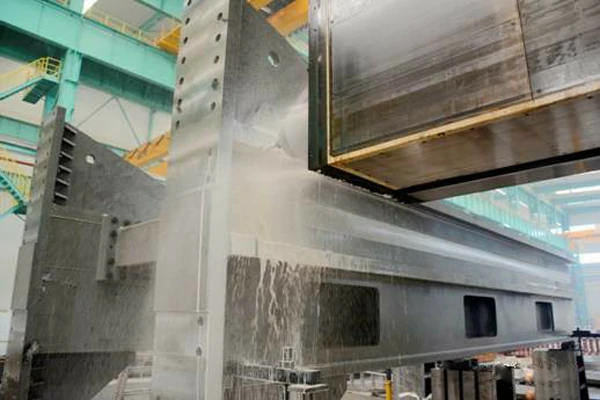
The successful delivery of the shield machine brackets marked a significant achievement for our company. These large structural components, crafted with unparalleled precision, have expanded our portfolio of processing product types. Our ability to meet the customer's exacting demands and create a product that exceeds industry standards has positioned us as a trusted partner for complex engineering projects.
As we look to the future, we are excited about the potential for shield machine brackets to become a new business growth point. We are committed to leveraging our expertise in precision machining and innovative design to take on more challenging projects and contribute to the safety and success of infrastructure initiatives across the globe.
The Innse 280 floor boring machine played a pivotal role in achieving the remarkable precision required for this project. Its advanced capabilities and precision machining abilities allowed us to meet and even surpass the customer's expectations, cementing our reputation as a leader in precision engineering.
High Precision Machining: The Innse 280 is renowned for its unparalleled precision in machining large components. Its robust construction and advanced control systems make it capable of achieving machining tolerances that are critical for components like the shield machine brackets. It ensures that every cut, drill, and bore aligns perfectly with the design specifications.
The Innse 280's exceptional features and capabilities were instrumental in achieving the exacting machining accuracy demanded by the shield machine brackets project. Here's how it made a significant impact:
This project has not only enriched our product offerings but also showcased our dedication to pushing the boundaries of what is possible in the field of precision engineering. We are excited about the future and the potential for our expertise to make a lasting impact on the industry.
We invite you to join us on our journey of innovation and precision engineering. Together, we can tackle even the most challenging projects, setting new standards for safety and accuracy in the industry. If you have a project that demands metal fabrication commitment to quality, we are here to bring your vision to life.
Contact us at sales3@openex.com.cn today to explore how our expertise and advanced equipment can contribute to the success of your next engineering project.
In the world of precision machinery manufacturing, every detail matters, and the quality of the components is paramount. Recently, Openex embarked on a project that showcased our commitment to delivering excellence in precision engineering. The project involved the secondary machining of a vacuum chamber, setting it apart from conventional machining processes. The vacuum chamber in question was a 3-ton, high-value welded structural part for a precision machinery manufacturer, and it posed a set of challenges that required exceptional machining expertise.

The vacuum chamber machining presented a unique set of precision requirements. To ensure that the chamber met the strict quality standards of the precision machinery manufacturer, Openex had to achieve precision in various aspects:

Recognizing the unique challenges posed by this project, Openex took the proactive step of assembling a specialized team. This team comprised individuals with over 7 or 8 years of relevant work experience in precision machining. Their expertise was essential for ensuring the safe use of the attachment head and, more importantly, for maintaining control over the chamber's overall dimensional accuracy.
The machining of the vacuum chamber was an intricate process, and the first piece alone took 4.5 days to process. However, this timeframe is expected to improve significantly as the team becomes more proficient and attuned to the nuances of this complex machining task. The gradual increase in processing efficiency showcases the dedication and expertise of the Openex team.
To undertake the secondary machining of the vacuum chamber, Openex selected the Mitsubishi MVR40 machine tool. The Mitsubishi MVR40 is a versatile, high-precision machining center known for its reliability and flexibility. It is equipped with an array of features that make it well-suited to a wide range of applications.
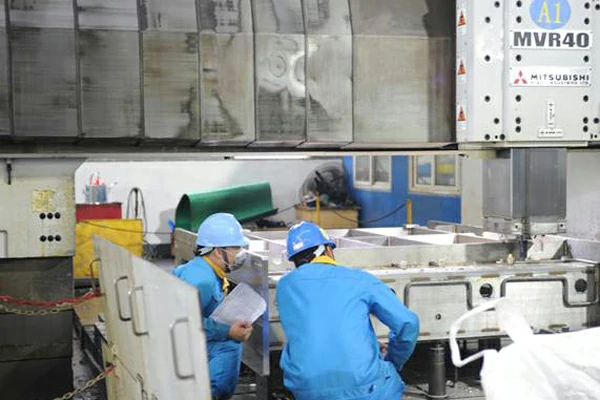
The Mitsubishi MVR40 is particularly well-suited for machining pieces with demanding precision requirements and complex geometries. It is the ideal choice for components like the vacuum chamber Openex undertook to machine. The machine's large work envelope and multi-axis capabilities allow it to handle intricate parts that require precision in various dimensions.
The MVR40 is commonly used for machining various types of components, including but not limited to:
More about our equipment capabilities please visit our equipment list.
If you're looking to achieve outstanding precision and quality in your machining projects, consider us and experience the difference we can make. Contact us at sales3@openex.com.cn today to explore how Openex can assist you in reaching new levels of precision and efficiency in your manufacturing processes.
In the world of industrial projects, meeting customer demands ahead of schedule and maintaining high-quality standards is the mark of excellence. A recent project highlights stainless steel fabrication, where a challenging project involving the production of three square containers, including one with impressive dimensions, was delivered to the customer ahead of schedule while maintaining superior quality standards.
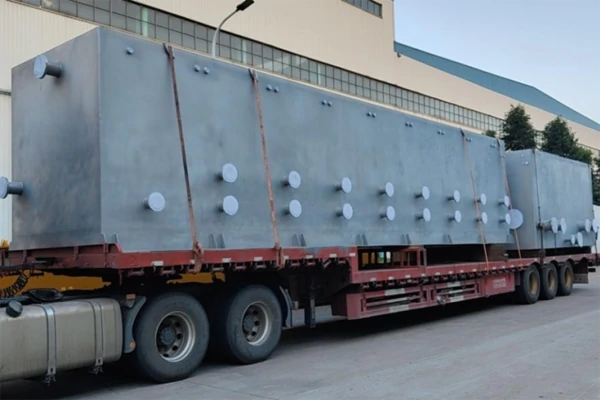
The project involved the fabrication of three stainless steel square containers, with the largest one measuring a remarkable 11 meters in length. These containers were meticulously designed according to the customer's specifications. The customer emphasized stringent requirements in several critical areas, including dimensional accuracy of the components, surface roughness of the plates, and protective measures.
The fabrication process for these square containers was a complex and multifaceted endeavor. It involved a series of meticulous steps to ensure the containers met the highest standards of quality:
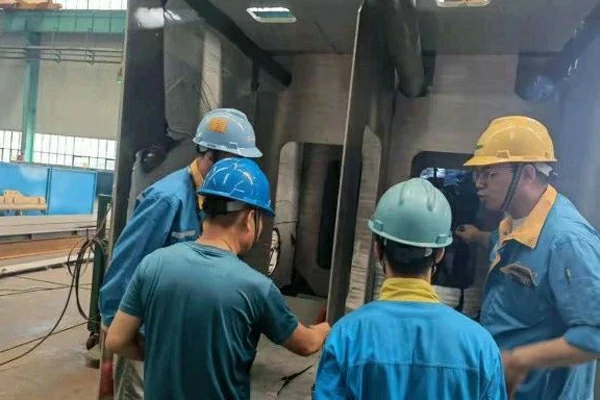
The customer's high requirements posed significant challenges. These demands called for an extraordinary level of precision, expertise, and attention to detail. To address these challenges, the project team adopted a collaborative approach. Production staff, quality control experts, and technical personnel worked closely with the customer's engineers in on-site discussions.
The entire fabrication process adhered meticulously to the customer's specifications. Every step was executed with unwavering attention to detail. The team ensured that each container met or exceeded the customer's expectations in terms of dimensional accuracy, surface finish, and protective measures.
Throughout the project, various technical challenges emerged. However, the project team displayed unwavering commitment and problem-solving capabilities. Each issue was addressed with a solutions-oriented mindset, and the team worked tirelessly to resolve them one by one, ensuring that the project stayed on track and was completed ahead of schedule.
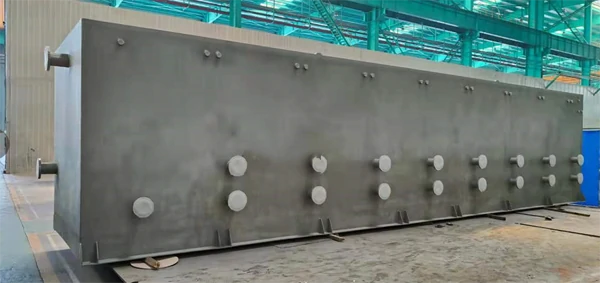
The successful delivery of the stainless steel square container fabrication project ahead of schedule, coupled with quality assurance, is a testament to our dedication, expertise, and unwavering commitment to customer satisfaction. This project exemplifies our ability to not only meet but exceed even the most demanding specifications and challenges.
We extend our gratitude to our team members, quality control experts, and customer engineers who worked collaboratively to bring this project to fruition. At Openex, we remain committed to delivering exceptional results and raising the bar for excellence in metal fabrication.
If you have any questions or are interested in our services, please do not hesitate to contact us. Your next successful project is just a call away.
The art and science of welding have seen remarkable advancements over the years, revolutionizing the way we create structures and products. Welding is a critical part of manufacturing, as it joins pieces of metal to create everything from intricate machinery to massive structures.
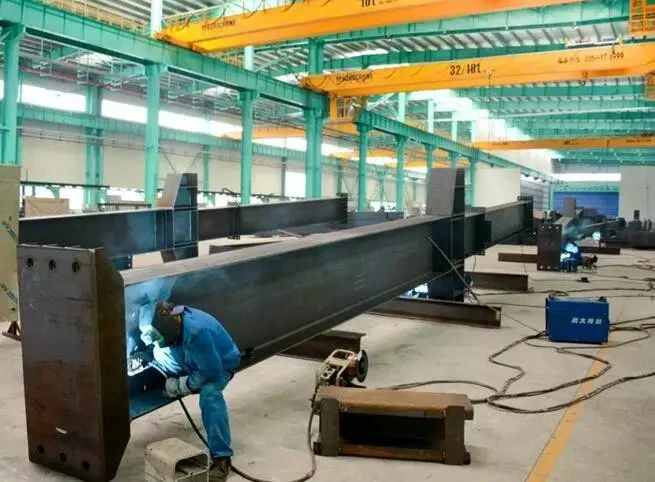
Large weldments play a vital role in various industries, such as construction, shipbuilding, and aerospace. These massive structures are essentially the backbone of many projects, providing structural stability and integrity. For instance, in the construction industry, large weldments are used to create frameworks for buildings and bridges. In shipbuilding, they form the base for ships, ensuring they can withstand the harsh conditions of the open sea. The aerospace sector relies on them to craft complex and robust components for aircraft.
Creating large weldments involves a meticulous and multi-step fabrication process, which combines various techniques and technologies to ensure precision, strength, and safety. The following stages are crucial in the fabrication of large weldments:
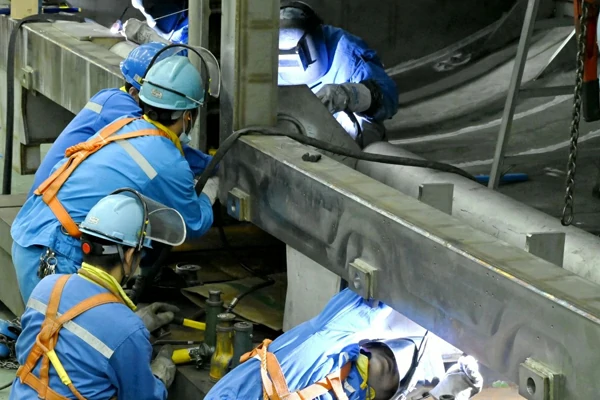
The fabrication process for large weldments demands an amalgamation of skill and advanced technology. The precision and quality of welds are essential, as any imperfections can compromise the structural integrity of the final product. Modern welding technology, including automated welding systems and computer-controlled equipment, allows for greater precision, consistency, and efficiency. These advancements help reduce the risk of human error and enhance the overall quality of the weldments.
Conclusion
The creation of large weldments is a complex and intricate process that plays a pivotal role in a variety of industries. The use of advanced welding technology, coupled with skilled craftsmanship, ensures that these structures are not only strong but also built with precision and care. The success of a project hinges on the integrity and reliability of these large weldments, which underpin the safety and functionality of the end product.
In the world of metal fabrication, there's a place where creativity and craftsmanship converge, where raw materials are transformed into functional art, and that place is the welding shop. Welders are the unsung heroes of this industry, toiling away in the heat and sparks, forging masterpieces from cold, lifeless steel.
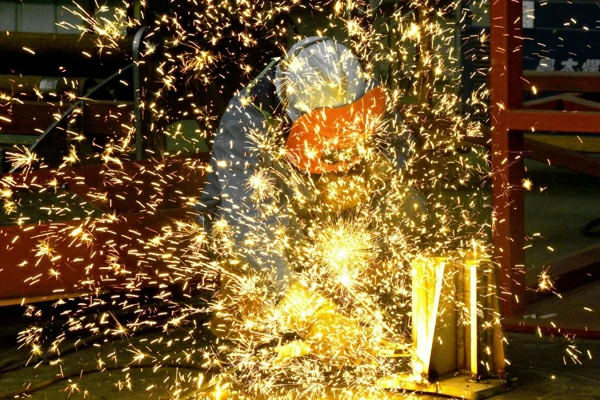
Welding is not just a job; it's an art form. It requires a combination of technical expertise and a keen artistic eye. Welders are akin to sculptors, shaping metal into beautiful and functional structures. They carefully choose the right welding technique, adjust the heat, and create intricate, precise welds to ensure the final product is both aesthetically pleasing and structurally sound.
Welders are like alchemists, wielding their tools to manipulate various metals into a plethora of shapes and sizes. Whether it's mild steel, stainless steel, aluminum, or exotic alloys, welders understand the unique properties of each material. They know how to work with different metals to achieve the desired strength, durability, and appearance. This knowledge and expertise are the foundation of their craft.
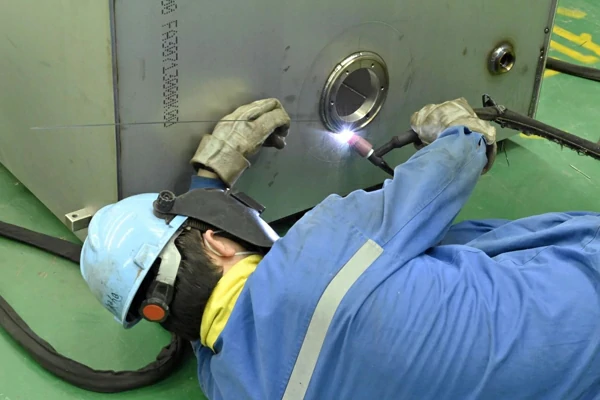
The welding shop is a symphony of tools and equipment, each with its role in the creation process. From the loud crackle of the welding machine to the rhythmic clang of hammers and the hiss of the plasma cutter, the welding shop is a place where each tool contributes to the final masterpiece. Precision is key, and welders are skilled in the operation of various tools to ensure the end product meets exacting standards.
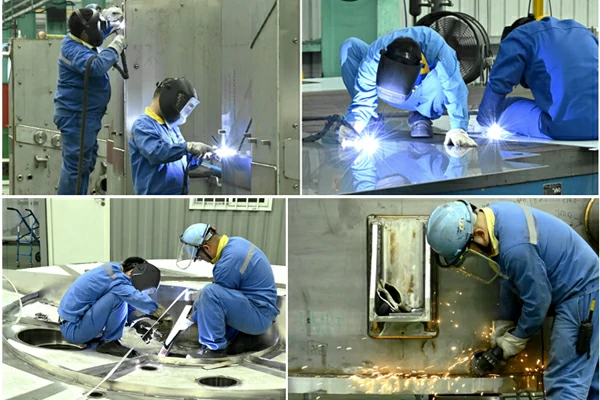
Working in a welding shop is not just about skill but also about safety. Welders are diligent in following safety protocols to protect themselves and their colleagues from the inherent risks of the job. They wear protective gear like welding helmets, gloves, and flame-resistant clothing. Proper ventilation systems are in place to manage fumes and gases, and fire safety equipment is readily available. Welders are aware that their craft requires precision, but it also demands the highest level of safety.
Welders are problem solvers. They take on projects that seem impossible and find innovative solutions. Whether it's crafting intricate metal artwork, repairing heavy machinery, or fabricating custom architectural pieces, welders have the skills and determination to turn dreams into reality. Their creativity knows no bounds, and they constantly push the limits of what can be achieved with metal.
Welders in the welding shop are the backbone of metal fabrication. They are the artisans who fuse raw materials into beautiful, functional pieces. They wield their tools with skill and precision, transforming metal into works of art. With a deep understanding of materials, a symphony of tools at their disposal, and an unwavering commitment to safety, welders are the heroes behind the scenes, making the impossible possible. So, the next time you see a stunning metal structure or a finely crafted piece of artwork, remember the welders working hard in the welding shop, and the artistry and dedication they bring to their craft.
If you've been inspired by the dedication and craftsmanship of welders in the welding shop, consider how their skills can bring your metal fabrication projects to life. Whether you have a unique idea for a custom metal piece, need repairs for heavy machinery, or require expert welding services, don't hesitate to reach out to a skilled metal fabricator. Your vision can become a reality with the help of these talented artisans. Contact us today and let's discuss how we can turn your metal dreams into tangible masterpieces!
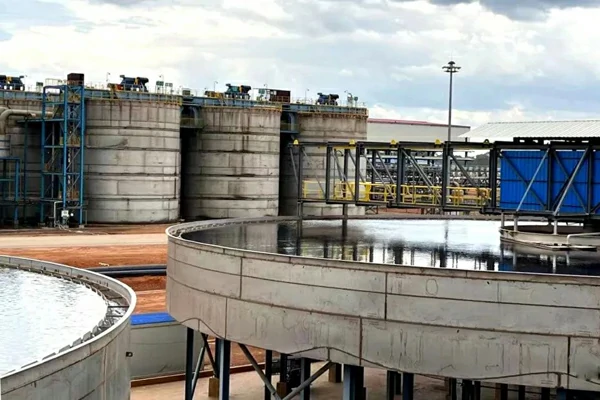
Project Overview:
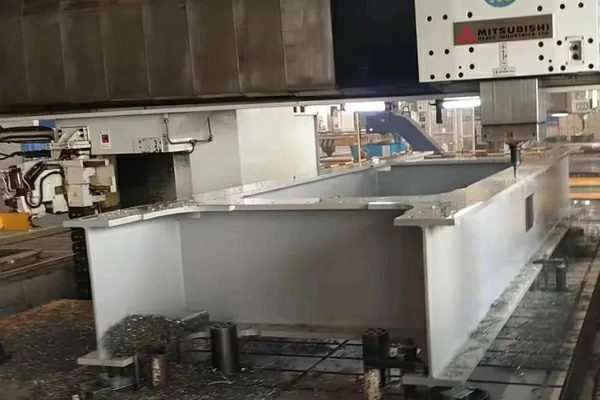
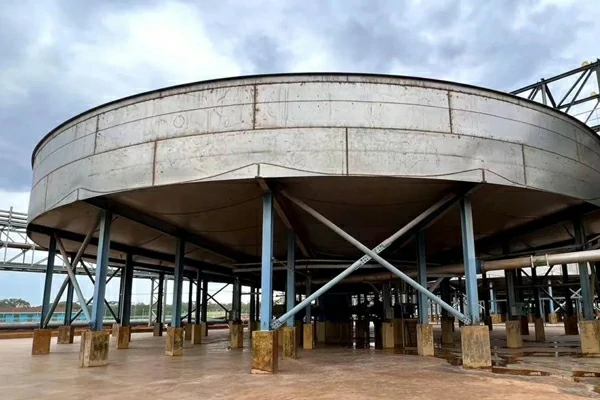
Our company undertook the fabrication of crucial components of mineral processing equipment for a mining enterprise. This project encompassed the assembly of various pieces of equipment, including thickener and mixing tank units. The project's scale was substantial, comprising more than 100 sets of mining equipment, primarily constructed from duplex steel, stainless steel, and carbon steel. These components required a diverse range of processes, such as cutting, edge planing, leveling, bending, plate rolling, welding, non-destructive testing, machining, pre-assembly, surface treatment, and packaging. The project posed significant technical challenges, demanding strict adherence to quality standards and a pressing delivery deadline.
Project Execution:
To address the formidable scope and complexity of this project, we established a dedicated project team. This team was tasked with overseeing all aspects of the project, from start to finish, ensuring the efficient production and timely delivery of the equipment to our client's site. The project unfolded in several stages, each of which necessitated thorough planning, meticulous execution, and rigorous quality control.
Project Outcome:
The project's successful completion was achieved through careful planning and precise execution. All the mineral processing equipment was delivered to the customer within the stipulated timeframe, meeting the highest quality standards and surpassing the customer's expectations. This achievement was the result of a dedicated project team that emphasized open communication, creative problem-solving, and unwavering attention to detail.
The customer and the foreign site constructor praised our team for their outstanding work in surmounting challenges and delivering superior-quality products. This triumphant collaboration has solidified the foundation for an enduring and in-depth partnership between our company and the mining enterprise, showcasing our commitment to consistently meeting our client's high standards and nurturing lasting, mutually beneficial relationships.
As we continue to excel in delivering high-quality solutions, we invite you to explore how our expertise and dedication can benefit your projects. Contact us today to discuss your metal fabrication needs and discover how our commitment to quality, innovation, and partnership can contribute to your success. We look forward to the opportunity to work with you on your next venture.
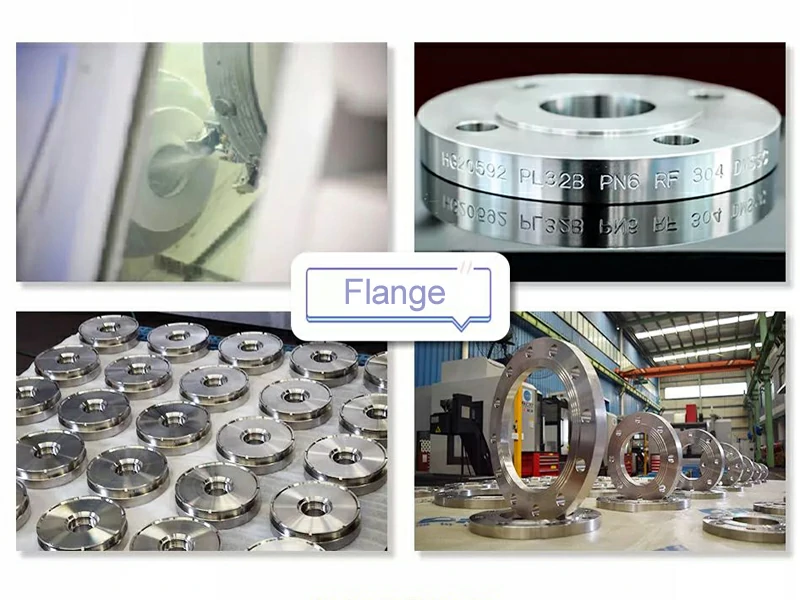
Steel flanges are not the most glamorous components in the world of industrial engineering, but their significance cannot be overstated. These seemingly simple, circular devices serve as critical elements in pipelines, allowing for the assembly, disassembly, and maintenance of a wide range of systems. Steel flanges are used in diverse industries, from oil and gas to petrochemical, manufacturing, and beyond. In this blog, we'll delve into the power and versatility of steel flanges, exploring their types, applications, and the crucial role they play in keeping our infrastructure and industrial processes running smoothly.
A flange is a flat, circular piece of steel with evenly spaced holes for bolts. It's designed to connect or disconnect two sections of pipes or other equipment with ease. Flanges are essential for various industrial applications, primarily because they facilitate easy maintenance, repairs, and assembly of pipelines or equipment.
Steel is the most common material used for flanges due to its exceptional strength, durability, and resistance to corrosion. Steel flanges come in various sizes, shapes, and types to suit different applications and pressure requirements. The choice of steel grade and flange type depends on the specific conditions and demands of the system in which they are employed.
Steel flanges are categorized into different types, each serving a specific purpose in various applications. Here are some of the most common types:
Steel flanges find their applications across a wide range of industries due to their versatility and durability. Let's take a closer look at some of these applications:
The power and versatility of steel flanges rely not only on their material and design but also on the quality of manufacturing and proper maintenance. Low-quality flanges can lead to system failures, leaks, and costly repairs. Regular inspection, maintenance, and, if necessary, replacement of flanges are crucial to prevent issues in industrial processes.
When selecting steel flanges for an application, it's vital to consider factors such as pressure ratings, temperature resistance, material compatibility, and corrosion resistance. Choosing the right type of flange and ensuring it meets the specifications of the system is essential.
In addition to the quality of the flanges themselves, the bolts and gaskets used for assembly are equally important. Proper torqueing of the bolts is critical to prevent leaks and maintain the integrity of the connection.
Steel flanges may not be the most glamorous components in the world of industrial engineering, but their significance is undeniable. They are the unsung heroes that enable the smooth operation of critical systems in various industries, from oil and gas to manufacturing and construction. The power and versatility of steel flanges lie in their durability, resistance to corrosion, and the ease with which they allow for the assembly, disassembly, and maintenance of pipelines and equipment.
As technology and materials science continue to advance, steel flanges will only become more efficient and reliable, playing an increasingly pivotal role in the global infrastructure. It's a testament to the often-overlooked components that keep our modern world running smoothly. So, the next time you see a steel flange, remember the power it holds behind the scenes, quietly supporting the systems that drive our society.
Recently, at Openex, we took on an extraordinary project, custom fabricating 12-meter-long scanner frames for use in papermaking. This project brought forth a unique set of challenges that needed innovative solutions and unwavering dedication to quality.
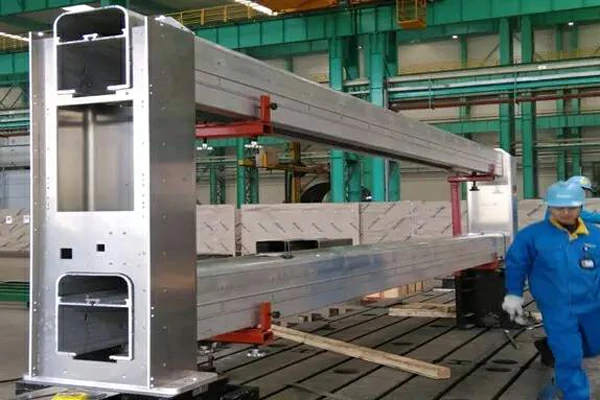
One of the main hurdles we faced was ensuring that the 12-meter-long beam remained perfectly straight, without any bending or sagging. Achieving this level of precision was essential because any deviation could disrupt the papermaking process. We needed to address two key factors:
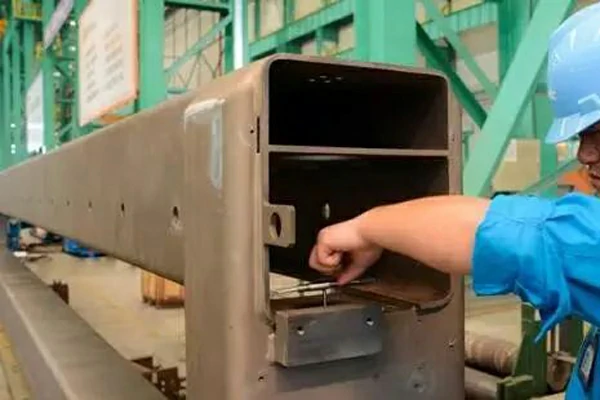
In addition to these challenges, our customer had specific demands for the final product. They required defect-free surfaces and smooth, flawless welds. These stringent quality requirements added another layer of complexity to the project, requiring meticulous attention to detail and craftsmanship.
To ensure the successful completion of this project, we at Openex adopted a comprehensive approach involving various fabrication processes:
Throughout the fabrication process, Openex's commitment to quality control was unwavering. Each stage was closely monitored and inspected to ensure that every detail met the highest standards. This commitment was crucial in achieving defect-free surfaces, smooth welds, and the required precision.
After meticulous efforts and rigorous quality control, Openex proudly completed the project successfully. The 12-meter-long scanner frames for papermaking met all specifications and requirements, including the prevention of beam sagging and deformation, defect-free surfaces, and smooth welds.
The custom-fabricated scanner frames crafted by Openex play a vital role in the papermaking machine synchronization system, enabling quantitative moisture detection. These frames exemplify our dedication to innovation and precision in custom fabrication, setting new standards for quality in the manufacturing industry.
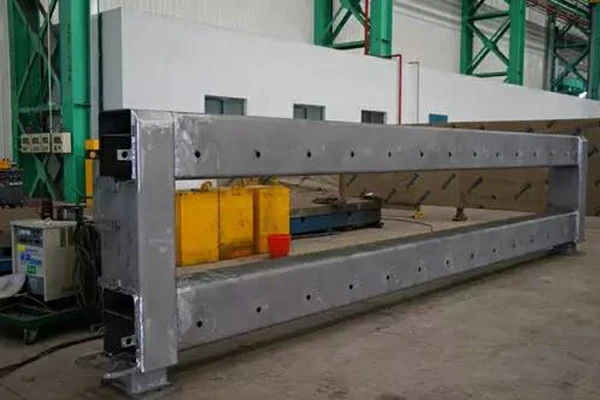
The journey of crafting 12-meter scanner frames for papermaking was challenging, filled with unique obstacles and demanding requirements. Openex's unwavering commitment to quality and precision allowed us to overcome these obstacles and deliver a product that advances the papermaking industry. As we prepare to ship these frames to our valued customer, we look forward to more groundbreaking projects that push the boundaries of what is possible in custom fabrication.
Are you facing unique manufacturing challenges that require precision and expertise? Openex is here to help. Contact us today to discuss your project and discover how our commitment to quality and innovation can bring your ideas to life. Let's tackle your next manufacturing project together!
Have you ever wondered how the toilet paper we use every day is produced? It might seem like a simple product, but the process behind its creation is a marvel of engineering and precision. At the heart of this process is the Yankee dryer, a core component of the paper machine that plays a crucial role in shaping the quality and efficiency of toilet paper production.
Toilet paper is not just a roll of soft paper; it's the result of a highly complex and intricate manufacturing process. The specialized equipment used for producing toilet paper comprises five major systems: pulp equipment, wet-end system, paper machine, water sieving and slag removal, and pulp. These systems work in tandem, integrating advanced technology such as ATMOS (Advanced Toilet Paper Forming Technology) and traditional air-through drying technology (TAD). This technology might sound technical and puzzling, but we can simplify the process by focusing on a specific and critical piece of equipment - the Yankee dryer.
The Yankee dryer is an integral component of the paper machine, situated in the drying section, one of the nine key parts in the papermaking system. Its primary function is to dry and calender the paper as it passes through. This seemingly simple task holds immense importance as it directly influences production efficiency and the overall quality of toilet paper.
The Yankee dryer is not a basic piece of equipment; it boasts a complex structure that includes:
Manufacturing a Yankee dryer is no simple task. Due to factors like rotation speed, pressure, and temperature, achieving the required roundness of the cylinder and managing the machining process are significant challenges. However, innovative approaches, advanced equipment, well-developed machining plans, and reliable logistics solutions ensure that these hurdles are overcome efficiently.
Recently, Openex had the privilege of witnessing a significant Yankee dryer project firsthand. This large Yankee dryer, designed by a leading global papermaking equipment supplier and destined for a paper mill in Portugal, measures an impressive 6.2 meters in length, 5.6 meters in width, and 5.9 meters in height. The client's expectations for this project were high, encompassing aspects such as project management, product quality, and logistics solutions.
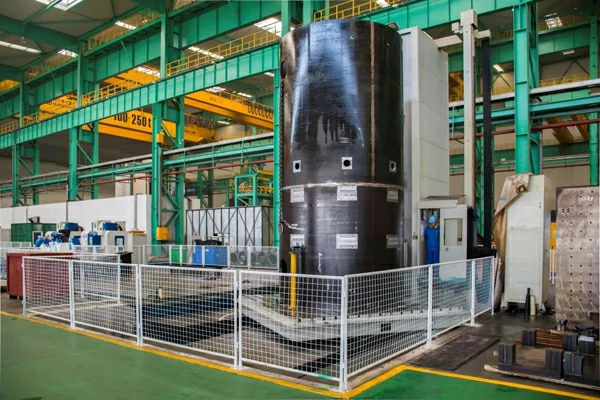
The project faced several technical challenges due to the demanding requirements of the Yankee dryer. Advanced machinery and meticulous quality control measures were put in place to ensure the cylinder's roundness and maintain precision throughout the manufacturing process. The project's focus on precision received acclaim from the client, highlighting the excellence of the production process.
The stable and efficient production of the Yankee dryer is not just a testament to technical prowess but also a significant contribution to reducing investment and production costs for papermakers. The paper industry involves a collaborative effort, with numerous businesses throughout the entire industry chain working together to provide consumers with high-quality and affordable products. The seemingly straightforward act of producing a toilet paper roll is, in reality, a highly intricate and specialized endeavor.
In addition to Yankee dryer machining, Openex offers a range of machining services for various components used in the papermaking industry. These include large segmental tank heads, scanning frames, chests, cylinders, tube sheets, screens, and supports, among others. If you have any related machining needs or are looking to enhance the efficiency of your papermaking processes, please don't hesitate to contact us.