
Shell, one of the largest multinational oil and gas companies in the world, commissioned a project to fabricate 3200 pieces of carbon steel parts for their refining equipment. The project required a high level of precision and quality, and the customer had strict requirements for the accuracy and finish of the parts. The fabrication process involved several steps, including waterjet cutting, bending, machining, and finishing.
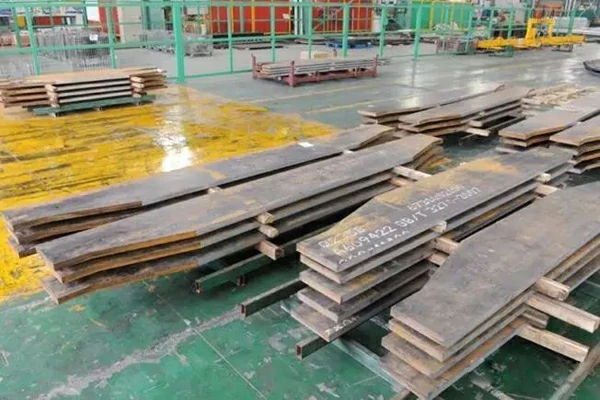
To ensure the accuracy and precision of the parts, the project team used advanced equipment and techniques. Waterjet cutting was used to precisely cut the carbon steel sheets into the required shapes and sizes. The cutting process was monitored closely to ensure that the parts were cut accurately and to the required dimensions.
After the cutting process, the parts were sent to the bending section, where they were bent into the required shapes. The bending process was also monitored closely to ensure that the angles and dimensions of the bends were accurate and met the required specifications.
Once the parts had been cut and bent, they were sent to the machining section, where they were machined to the required accuracy. The machining process involved the use of CNC machines, which were programmed to mill and drill the parts to the required dimensions. The machines were equipped with high-precision tools, and the machining accuracy was monitored to ensure that the parts met the required accuracy of within 0.05mm.

Finally, the parts were sent to the finishing section, where they were cleaned, deburred, and given the required surface finish. The finishing process involved using advanced techniques to ensure that the parts had a smooth, polished finish that met the customer's requirements.
Throughout the project, the quality of the parts was closely monitored to ensure that they met the customer's high standards. The project team used advanced measuring equipment, such as CMM machines, to measure the accuracy of the parts and ensure that they met the required specifications.
In conclusion, the fabrication of carbon steel parts for Shell's refining equipment was a challenging project that required a high level of precision and quality. The project team used advanced equipment and techniques to ensure that the parts met the customer's strict requirements for accuracy and finish. The success of the project demonstrates the team's expertise and commitment to delivering high-quality products that meet the customer's expectations.
Baffle plates play an important role in controlling fluid flow and preventing vortex formation in pressure vessels. In this article, we will discuss a project case involving the manufacturing of 300 baffle plates using 2205 and Q235B carbon steel with thicknesses of 12mm and 16mm. The baffle plates were custom-made according to the drawings provided by the customer.
A customer approached our company with a request to manufacture 300 baffle plates for pressure vessels. The customer provided detailed drawings for the baffle plates, which were custom-made to their specifications. The baffle plates were made of 2205 and Q235B materials, with thicknesses ranging from 12mm to 16mm.
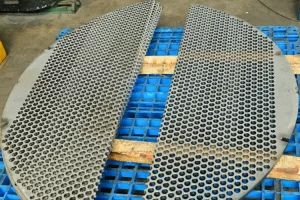
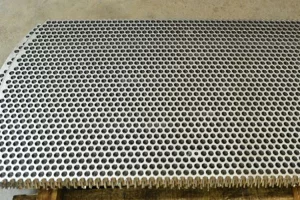
The baffle plates were manufactured using the following process:
The baffle plates were manufactured to the customer's specifications and were delivered on time. The customer was pleased with the quality of the baffle plates and the overall service provided by our company.
This project was a success because we were able to meet the customer's requirements and deliver the baffle plates on time. We were also able to manufacture the baffle plates to a high-quality standard. This project demonstrates our ability to manufacture custom-made baffle plates for pressure vessels.
Baffle plates are used in pressure vessels to improve their performance and safety. Baffle plates can help to:
Baffle plates are an important component of pressure vessels. They can help to improve the performance, safety, and durability of these vessels.
For baffle plate or tube sheet project cases, please visit the following links or feel free to contact us at yuki.zhou@openex.com.cn
Metal fabrication is an essential component of energy storage systems, which are used to store energy generated by renewable sources such as wind and solar power. Energy storage systems require a variety of components, such as battery enclosures, tanks, and structural components, which are often manufactured using metal fabrication techniques. In this guide, we will explore in more detail how metal fabrication helps energy storage systems.
Energy storage systems often rely on batteries to store energy. Metal fabrication techniques are used to manufacture metal frames and enclosures for batteries. These frames and enclosures need to be strong, durable, and precisely manufactured to ensure the safety and reliability of the batteries.
The metal frames provide support and protection for the batteries, while the enclosures prevent external elements from damaging the batteries. Metal fabrication techniques can be used to create enclosures that are airtight and waterproof, preventing moisture and other contaminants from affecting the battery's performance.
Following are our project cases about battery systems:
Energy storage systems may also use tanks to store energy in the form of liquids, such as hydrogen or molten salt. These tanks need to be able to withstand high temperatures and pressure, and metal fabrication techniques can be used to create tanks that meet these requirements.
The tanks are often made of metal alloys that have excellent resistance to corrosion and high-temperature environments. Metal fabrication techniques are used to create tanks that are precisely manufactured to meet the specifications of the energy storage system. The tanks are designed to be strong, durable, and resistant to leaks, ensuring the safe storage of energy.
Metal fabrication techniques can also be used to manufacture structural components for energy storage systems, such as brackets, frames, and support structures. These components need to be strong and durable to ensure the stability and safety of the energy storage system.
For example, metal brackets may be used to support batteries or tanks in an energy storage system. These brackets need to be precisely manufactured to ensure that they can support the weight of the batteries or tanks safely. Metal fabrication techniques can be used to create brackets that are strong, durable, and resistant to corrosion.
Welding is another metal fabrication technique that is commonly used in the manufacturing of energy storage systems. Welding is used to join metal parts together to create larger components or structures. For example, welding is used to join the metal frames and enclosures of batteries or to create the tanks used in energy storage systems.
Welding requires skill and expertise to ensure that the welds are strong and durable. Welding must be performed under strict quality control measures to ensure that the welds meet the specifications of the energy storage system.
Overall, metal fabrication is a crucial component of energy storage systems. By using metal fabrication techniques to manufacture the necessary components, energy storage systems can be constructed with the necessary strength, durability, and precision needed for safe and reliable operation. Metal fabrication is an essential part of the process of creating the components that make energy storage systems possible.
For more information about our project cases in energy storage systems or our fabrication capabilities, or to request a free quotation, feel free to contact us at yuki.zhou@openex.com.cn.
Energy storage systems (ESS) are used to store energy generated by various sources, such as solar, wind, and hydroelectric power. The stored energy can be used when the power demand is high or when the primary energy source is not available. In this guide, we will cover everything you need to know about energy storage systems.
There are different types of energy storage systems, including:
Energy storage systems offer several benefits, including:
Energy storage systems are used in various applications, including:
There are several challenges associated with energy storage systems, including:
In conclusion, energy storage systems are an important component of the transition to a more sustainable energy system. By storing energy from renewable sources, energy storage systems can help stabilize the grid, improve efficiency, and reduce emissions. While there are still some challenges associated with energy storage systems, continued innovation and investment in this technology will likely lead to even more significant benefits in the future.
Sheet metal fabrication is a vital process that involves creating various components and structures made from metal sheets. This project involved the fabrication of 105,000 metal parts for the bodywork of metro cars. The parts were made of stainless steel with thicknesses ranging from 0.8mm to 4.5mm, and up to 7 specifications. The fabrication process involved coil grinding, straightening, laser cutting, edge milling, rolling, bending, punching, and welding. The longest stainless steel plate that was straightened was 13m. All steel parts were custom-made according to the drawings provided by the customer.

The fabrication process for the metro car bodywork involves several steps, including coil grinding, straightening, laser cutting, edge milling, rolling, bending, punching, and welding. Each of these steps is critical to ensuring that the final product meets the customer's specifications.
The first step in the process is coil grinding, where the raw stainless steel material is ground to a uniform thickness. The material is then straightened to ensure that it is flat and free of any warping or twisting. This is a critical step as it ensures that the material is ready for the next steps in the process.
Once the material is straightened, it is laser-cut to the required shape and size. The laser cutting process is highly accurate and allows complex shapes to be cut quickly and precisely. The parts are then subjected to edge milling, rolling, bending, and punching to create the final shape.
Welding is also a critical step in the process as it ensures that the different parts of the bodywork are securely attached to each other. The welding process used in this project is MIG (Metal Inert Gas) welding, which is a highly effective welding method for stainless steel.
Finally, Quality control is critical in the fabrication of sheet metal parts, and this project is no exception. The final product must meet strict standards of accuracy and quality to ensure that it is safe and functional for use in metro cars.
To ensure quality control, the project team uses advanced inspection tools and techniques, such as NDT(include ultrasonic testing, X-ray inspection, and dye penetrant inspection, etc) to verify that each part meets the customer's specifications. The team also performs visual inspections to ensure that there are no defects or imperfections in the parts.

This project was a success. We were able to fabricate 105,000 metal parts for the bodywork of metro cars, on time and within budget. The customer was very happy with the quality of the parts and they placed a repeat order with us.
The sheet metal fabrication for the bodywork of metro cars had several benefits, including the production of high-quality parts that met the customer's specifications. The use of CAD software a nd precision machines ensured that the fabrication process was efficient and accurate, reducing the likelihood of errors and reducing the time required to fabricate each part. The use of stainless steel also ensured that the final product was durable, rust-resistant, and could withstand the harsh conditions of the metro environment.
Sheet metal fabrication for the bodywork of metro cars is a complex and challenging process that requires expertise and experience in sheet metal fabrication. The fabrication process involves several stages, including coil grinding, straightening, laser cutting, edge milling, rolling, bending, punching, welding, etc. The precision required in each stage of the fabrication process is crucial to ensure that the final product meets the customer's specifications and is safe and functional. The use of CAD software and precision machines can help achieve this precision, resulting in high-quality parts that meet all safety standards.
For more information about the project case or to request a free quotation, feel free to contact us at yuki.zhou@openex.com.cn.
Sheet metal fabrication is a crucial process in the manufacturing of metal parts for various industries. In the wind power industry, sheet metal fabrication plays an essential role in creating custom-made parts for wind turbines. In this article, we will focus on a case study where 100 sets of metal parts were fabricated for a wind power project.
The fabrication process for these metal parts involved laser cutting and press braking. The material used for these parts was Q345B carbon steel, which is a widely used steel grade known for its strength, durability, and excellent welding performance. The equipment used for this project included a TRUMPF fiber 3060 laser cutting machine, a 2000T press brake, and other advanced machinery.

Laser cutting is a precise and efficient way of cutting metal sheets into the desired shape. In this project, the TRUMPF fiber 3060 laser cutting machine was used to cut the Q345B carbon steel sheets into the required shapes for the metal parts. The laser cutting process ensured the accuracy of the cuts, and the high-powered laser allowed for fast and efficient production of the metal parts.
After the metal sheets were cut, they were sent to the press brake for bending and forming. The 2000T press brake used in this project allowed for accurate and consistent bending of the metal sheets. The press brake formed the metal sheets into the desired shape for the wind power project's metal parts. The press brake's high tonnage capability ensured that even the thickest metal sheets could be easily bent and formed.

The custom-made metal parts produced in this project were designed according to the customer's specific requirements. The design of the metal parts was critical to ensure the proper functioning of the wind turbine. The metal parts produced included brackets, supports, and other essential components required for the wind power project.
In conclusion, sheet metal fabrication plays a crucial role in the wind power industry. The precision and accuracy required for the fabrication process are essential to ensure the proper functioning of the wind turbines. In this case study, the use of advanced machinery such as the TRUMPF fiber 3060 laser cutting machine and the 2000T press brake allowed for the efficient production of 100 sets of custom-made metal parts. The use of Q345B carbon steel ensured the strength and durability of the metal parts produced.
Wind power is one of the fastest-growing sources of renewable energy, and wind turbines require high-precision and durable components to ensure optimal performance. Heavy machining plays a critical role in manufacturing these components, and in this article, we will explore how heavy machining helps wind power.
Heavy machining is the process of shaping and cutting large and heavy metal components. Heavy machining is typically used in the manufacturing of parts and components that require high accuracy, repeatability, and durability. Heavy machining operations are carried out using specialized machinery and equipment, such as heavy-duty CNC machining centers, lathes, and milling machines.
Wind turbines require a wide range of components that are manufactured using heavy machining techniques. Some of the critical components that are manufactured using heavy machining techniques include:
The heavy machining process for wind turbine components typically involves the use of advanced machinery and equipment, such as heavy-duty CNC machining centers, lathes, and milling machines. The process requires high accuracy and repeatability to ensure that the finished components meet the required tolerances and specifications.
In conclusion, heavy machining plays a critical role in the manufacturing of wind turbine components. The heavy machining process ensures that the components are manufactured to the required tolerances and specifications, resulting in enhanced performance, durability, and reliability. As the demand for renewable energy continues to grow, heavy machining will continue to be an essential part of the manufacturing process for wind power components.
Find our heavy machining cases of wind power:
For more cases or more information, feel free to contact us at yuki.zhou@openex.com.cn.
In the renewable energy sector, wind power has gained significant attention over the years. Wind power is considered one of the most promising forms of renewable energy due to its high energy yield and lower environmental impact. The success of wind turbines largely depends on the performance of their components, including the wind turbine hub.
In this case study, we will explore the heavy machining process of wind turbine hubs Wuzhong's 3.6MW wind power. The customer provided us with the design specifications for the wind turbine hubs and engine housings.
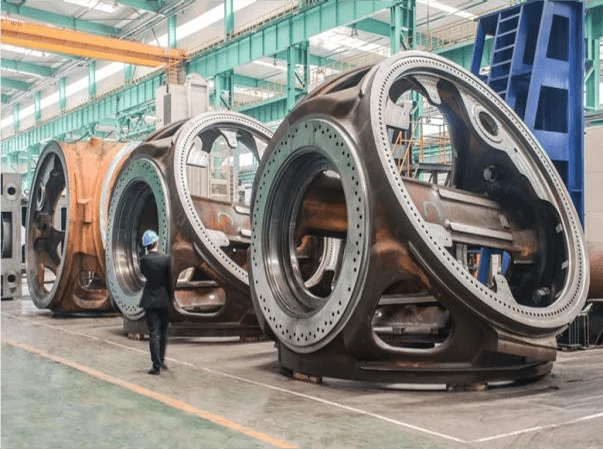
Wuzhong, a leading manufacturer of wind turbines, approached us with the request to manufacture 30 sets of wind turbine hubs and engine housings for their 3.6MW wind power project. The customer provided us with the design specifications for the wind turbine hubs and engine housings, including their dimensions, material, and tolerance requirements.
We started the heavy machining process by procuring the required raw materials. The wind turbine hubs and engine housings were made of high-strength alloy steel, which was procured from a reliable supplier. The raw material was inspected for its quality and dimensions before proceeding to the next step.
Next, we set up the wind turbine hubs and engine housings at our heavy-duty CNC machining center. The CNC machining center is equipped with multiple cutting tools that allow us to perform precise cuts and drilling operations. We used a combination of roughing and finishing tools to shape the wind turbine hubs and engine housings according to the customer's design. Rough-machine involved using large, powerful machines to remove the majority of the material from the raw stock. Once the parts were rough-machined, then they moved on to the finishing process. The finishing process was very time-consuming and required a high level of skill and precision. We used a variety of techniques, including grinding, milling, and drilling, to create the final shape of the parts.
The heavy machining process of the wind turbine hubs and engine housings required high accuracy and repeatability. We used advanced measuring tools such as laser scanners and coordinate measuring machines to ensure that the finished products met the customer's tolerance requirements.
After the machining process was completed, we performed additional surface treatment operations to protect the wind turbine hubs and engine housings from corrosion and other environmental factors. The surface treatment process included shot blasting, cleaning, and coating.
The heavy machining process of the wind turbine hubs and engine housings was completed successfully, and we delivered the finished products to the customer on time. All 30 sets of wind turbine hubs and engine housings met the customer's design specifications, including their dimensions, material, and tolerance requirements.
The heavy machining process of wind turbine hubs and engine housings for Wuzhong's 3.6MW wind power project required advanced machining capabilities and high precision. We successfully manufactured the wind turbine hubs and engine housings according to the customer's design specifications, ensuring that they met their tolerance requirements. Our expertise in heavy machining and advanced measuring tools allowed us to deliver high-quality products that met the customer's expectations.
When a food plant needed tube sheets for its refrigeration system, it turned to Openex, a professional tube sheet manufacturer, for custom-made solutions that would meet its specific needs. The customer provided the design, and Openex was responsible for manufacturing tube sheets that would fit the design specifications while also meeting the high standards of quality and performance.
The tube sheets were made of 304 stainless steel, which is known for its strength, durability, and resistance to corrosion. The tube sheets are of two different thicknesses - 16mm and 60mm - to meet different requirements of the refrigeration system.
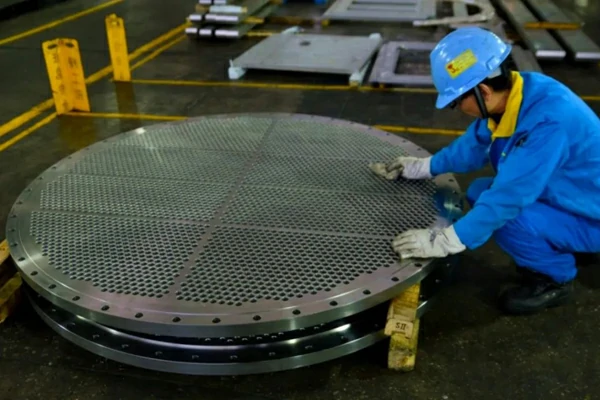
Working closely with the customer, Openex manufactured tube sheets according to the provided design specifications. The customer's design included intricate details and required precision manufacturing to ensure that the tube sheets would fit properly and function effectively in the refrigeration system.
The 304 stainless steel tube sheets met both the design specifications provided by the customer and the high standards of quality and performance required by Openex. And the customer was very happy with the tube sheet that we manufactured for them. They said that it was exactly what they needed, and they were very impressed with the quality of our work.
The custom-made tube sheets provided significant benefits to the food plant's refrigeration system, including:
Openex's 304 stainless steel tube sheets provided a reliable and customized solution for the food plant's refrigeration system, with the customer-provided design meeting the specific needs of the plant. With the durability and corrosion resistance of the tube sheets, the food plant could be assured that its refrigeration system would operate efficiently and effectively, ensuring the quality of its food products. Openex's commitment to precision manufacturing and quality control ensured that the tube sheets met the high standards of performance required by the customer, leading to a successful project outcome.
Hydropower is a rapidly growing industry that relies heavily on steel structures for its facilities. These structures support the turbines, generators, and other equipment necessary for hydropower generation. In this step-by-step guide, we will explore the fabrication process of steel structures for hydropower facilities.
The first step in the fabrication process is design and planning. This involves creating detailed drawings and models of the steel structures, taking into account the specific requirements of the hydropower facility.
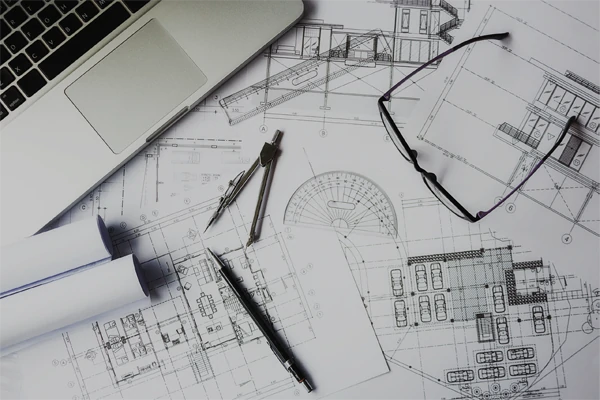
The design process typically involves a team of engineers, architects, and designers who work together to create the most efficient and effective structures. Computer-aided design (CAD) software is often used to create precise and detailed models of the structures, which can be used to guide the fabrication process.
Once the design is complete, the planning phase begins. This involves determining the materials needed for fabrication and the manufacturing processes that will be used.
Once the planning phase is complete, the fabrication process begins with cutting and shaping the steel components. This involves using various cutting and shaping tools, such as saws, shears, and laser cutters, to cut the steel into the required shapes and sizes.
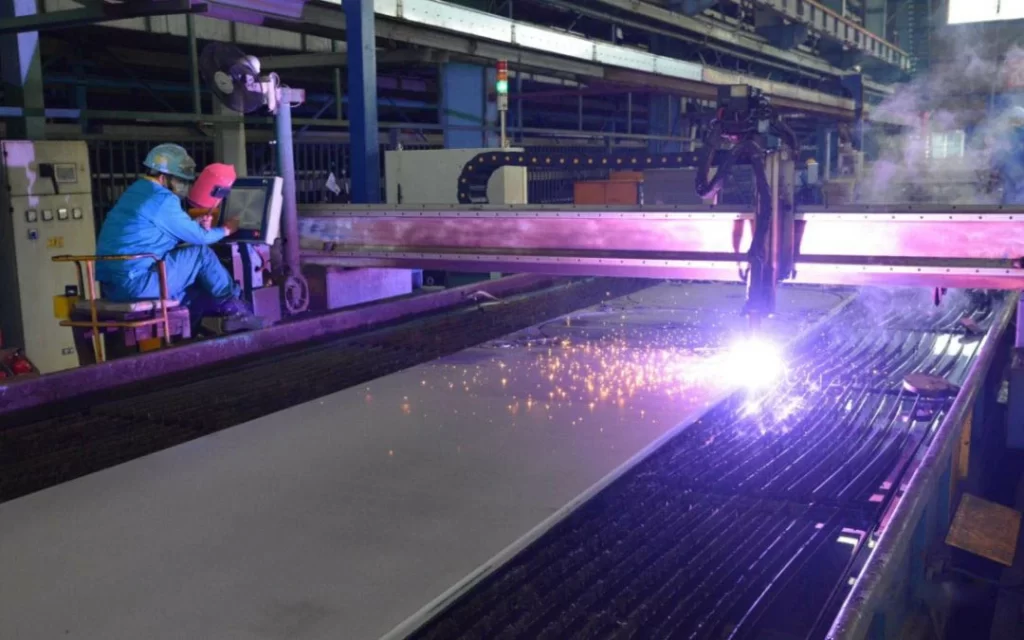
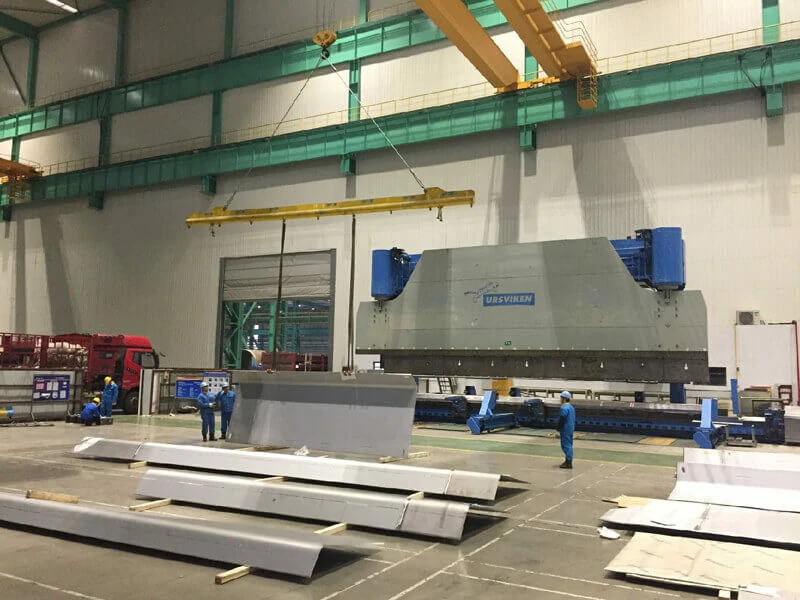
The steel components are then shaped using bending machines, rollers, and presses. This process ensures that the steel components are the correct shape and size for the intended application.
Welding is a critical part of the fabrication process for steel structures used in hydropower facilities. It involves joining the steel components together using high heat and pressure.
There are several welding techniques used in the fabrication of steel structures, including gas metal arc welding (GMAW), gas tungsten arc welding (GTAW), and shielded metal arc welding (SMAW). These techniques ensure that the steel components are securely and safely joined together.
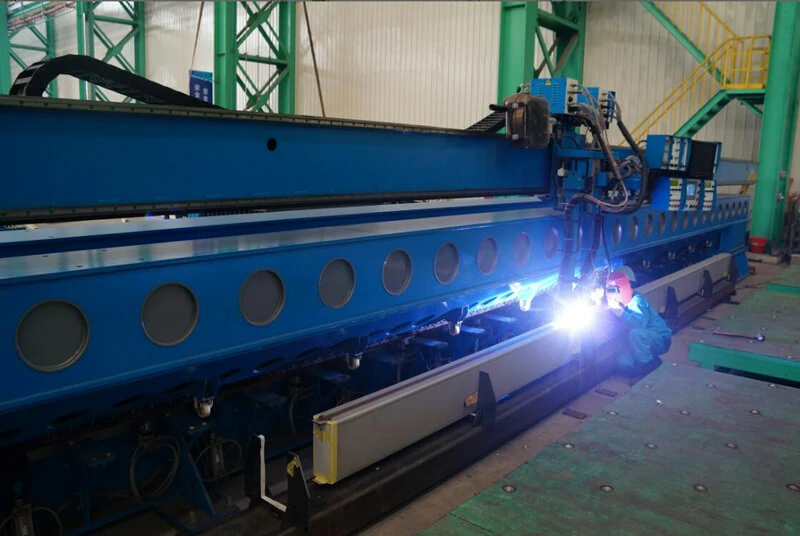
Once the welding is complete, the steel components are machined and finished to meet the required specifications. This involves using various machining tools, such as lathes and drills, to create the necessary holes, threads, and other features.
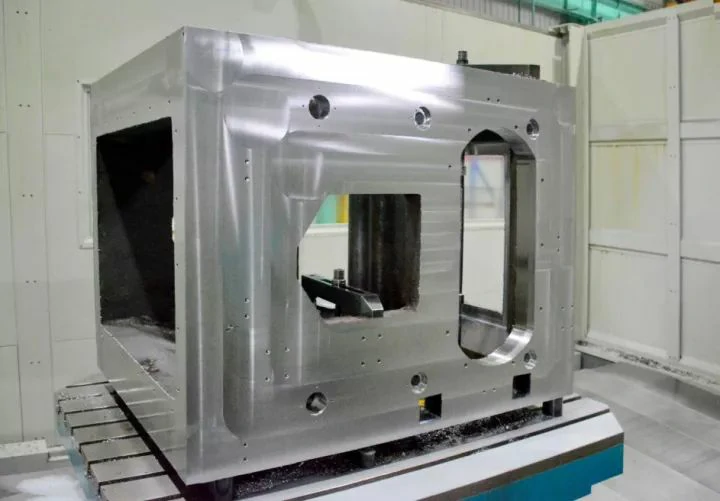
The steel components are then finished using various techniques, such as sandblasting and painting, to protect them from corrosion and ensure their longevity.
Quality control is an essential part of the fabrication process for steel structures used in hydropower facilities. Fabricators must ensure that the structures are strong, stable, and able to withstand the stresses of hydropower generation.
To achieve this, the fabricated steel structures are subjected to a range of quality control tests and inspections. These tests may include ultrasonic testing, magnetic particle testing, and X-ray inspection, among others.
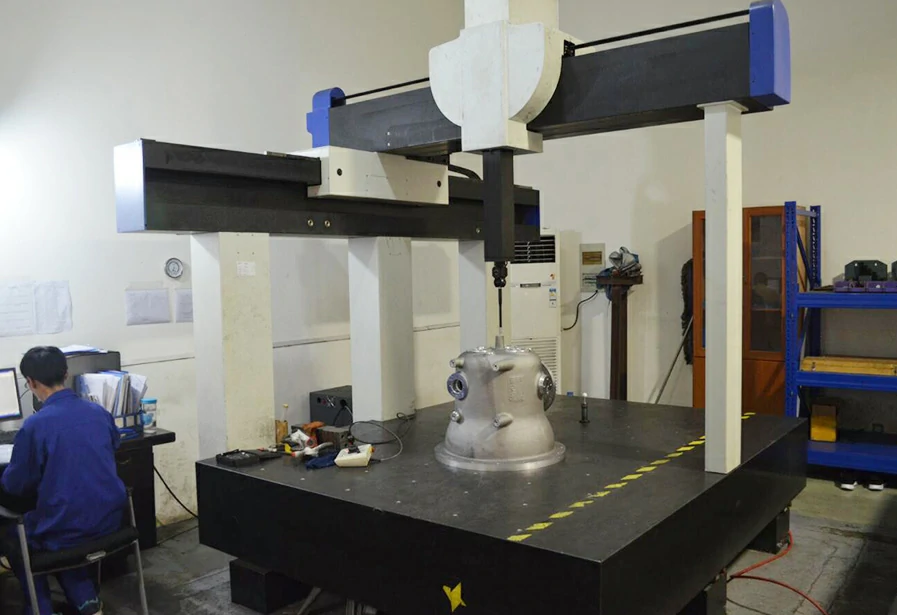
Once the steel structures have been fabricated and passed quality control, they are ready for delivery and installation at the hydropower facility. Delivery typically involves using specialized equipment, such as flatbed trucks and cranes, to transport the structures to the site.
The installation process must be carefully planned and executed to ensure that the steel structures are properly aligned and securely fastened. This is essential to ensure that the hydropower facility operates safely and efficiently.
The fabrication process of steel structures for hydropower facilities is complex and requires a high level of expertise and attention to detail. By following a careful design and fabrication process, implementing rigorous quality control measures, and executing a well-planned installation, steel fabrication companies can produce steel structures that are strong, stable, and able to withstand the stresses of hydropower generation.
With the increasing demand for renewable energy, the fabrication of steel structures for hydropower facilities is likely to continue to grow. As technology advances and new materials become available, the fabrication process is likely to become more efficient and cost-effective, making hydropower an even more attractive source of renewable energy.